Tips for Matching Nursery Wallpaper With Existing Furniture
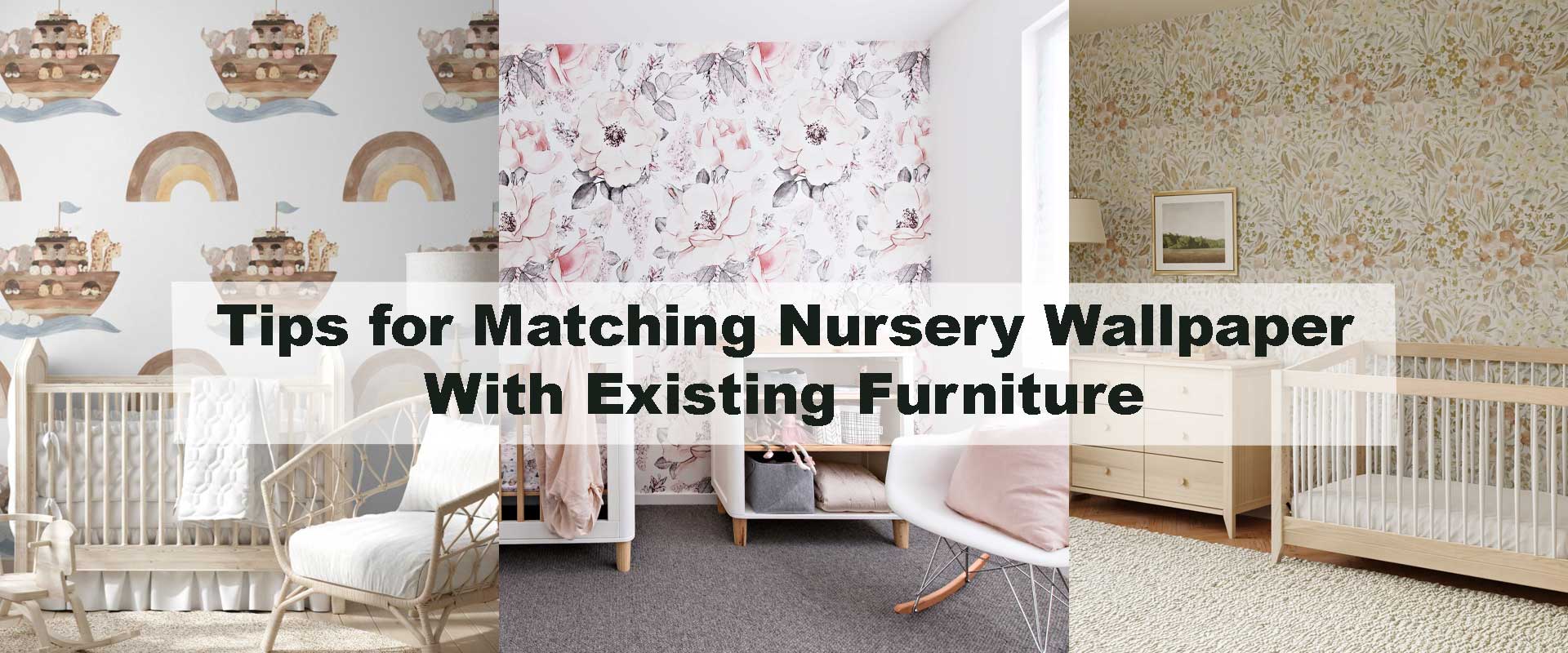
Matching nursery wallpaper with existing furniture requires a thoughtful balance rather than a complete redesign. When cribs, dressers, or seating are already in place, wallpaper becomes the visual element that brings everything together, shaping how the room feels emotionally and aesthetically. The right nursery wallpaper can soften strong furniture lines, balance visual weight, and create a calm, cohesive backdrop that feels intentional instead of pieced together. By focusing on undertones, scale, and overall mood, even neutral or inherited furniture can feel beautifully integrated into a soothing nursery environment.
Start by Reading the Furniture’s Visual Weight
Before choosing any nursery wallpaper, it’s essential to understand the visual weight of the furniture already in the space. Visual weight is not just about size—it’s influenced by color depth, material, shape, and how much physical presence each piece carries within the room.
Dark wood cribs and solid dressers naturally feel grounded and substantial, anchoring the space visually. In contrast, white, pale wood, or slim-profile furniture creates a lighter, airier impression. Upholstered rocking chairs add softness through texture, while minimalist furniture introduces clean, uninterrupted lines. Wallpaper should acknowledge these qualities, either softening heavier pieces or adding gentle depth around lighter ones, rather than competing for attention.
When furniture feels visually heavy, wallpapers with lighter tones, open compositions, or subtle spacing help restore balance. If the furniture is light and minimal, slightly richer patterns or softly layered motifs can add dimension without making the room feel busy or overstimulating.
Match Undertones, Not Exact Colors
A common mistake in nursery design is trying to match wallpaper colors exactly to furniture finishes. Instead of creating harmony, this often results in a flat or overly coordinated look. A more refined approach is to match undertones, allowing colors to relate naturally rather than mirror one another.
Warm wood furniture pairs effortlessly with wallpapers that include gentle beige, muted peach, soft olive, or warm taupe undertones. Cooler furniture finishes—such as white, gray, or ash-toned woods—feel more cohesive alongside wallpapers featuring sage, powder blue, soft gray, or dusty lavender hues. These undertones quietly echo one another without drawing attention to the match itself.
Designing around undertones keeps the nursery feeling relaxed and flexible. It also allows future changes—like new textiles, rugs, or décor accents—to blend seamlessly, ensuring the space evolves gracefully without visual conflict.
Use Wallpaper to Soften Strong Furniture Lines
Many nursery furniture pieces are designed with structure in mind, featuring straight edges, solid frames, and defined silhouettes. While these qualities provide stability and function, they can sometimes make a space feel visually rigid. Wallpaper offers a gentle way to soften those lines and introduce a sense of ease into the room.
Organic patterns such as flowing botanicals, airy landscapes, or softly hand-drawn motifs create visual movement that naturally offsets strong furniture forms. This subtle contrast helps the nursery feel warmer and more nurturing, encouraging a sense of calm rather than formality. The eye moves more fluidly across the space, allowing furniture to feel integrated instead of dominant.
When furniture includes ornate detailing or curved legs, restraint becomes key. Simpler wallpaper patterns with calm repetition or low-contrast textures keep the space grounded, ensuring decorative elements feel intentional rather than overwhelming. The result is a balanced environment where softness and structure coexist comfortably.
Let One Element Lead the Room
A thoughtfully designed nursery benefits from a clear visual hierarchy. Rather than asking furniture and wallpaper to compete, decide early which element will take the lead and allow the other to support it.
If the furniture is bold—featuring darker finishes, vintage character, or distinctive craftsmanship—the wallpaper should provide a quieter backdrop. Subtle patterns, gentle tonal shifts, or soft gradients allow statement furniture to stand confidently without visual noise. On the other hand, when furniture is neutral and understated, wallpaper can step forward through illustrated scenes, layered textures, or gentle storytelling elements that bring personality to the space.
Establishing this hierarchy keeps the nursery feeling composed and intentional. Each element has room to breathe, creating a space that feels visually calm, emotionally soothing, and thoughtfully put together rather than crowded or overstimulating.
Use Scale to Maintain Visual Balance
Scale plays a crucial role in how nursery wallpaper interacts with existing furniture, often influencing the room’s sense of openness more than color alone. Large furniture pieces naturally command attention, so the wallpaper surrounding them needs to provide visual breathing room rather than adding competition.
Oversized murals or large-scale patterns work best in nurseries with a simplified furniture layout, where fewer pieces allow the artwork to feel intentional and expansive. In rooms with multiple furniture items—such as dressers, storage units, or shelving—smaller repeating patterns help maintain rhythm and prevent the space from feeling visually crowded. These finer-scale designs support the furniture rather than competing with it.
When wallpaper scale is thoughtfully balanced with furniture size, the nursery feels more spacious, calmer, and easier to move through visually, even when the room includes all the functional pieces needed for daily routines.
Choose Neutrals That Echo Furniture Finishes
Neutral nursery wallpaper is less about restraint and more about adaptability. When furniture finishes vary slightly in tone or material, neutral-based wallpapers act as a quiet connector, smoothing transitions between different elements without drawing attention to contrast.
Soft creams, warm grays, pale sand hues, and muted greige backdrops reflect the subtle warmth or coolness already present in the furniture. These tones create continuity across mixed wood shades, painted finishes, or upholstered pieces, helping the room feel cohesive rather than pieced together. This approach is especially effective when working with heirloom furniture or blended sets that don’t match perfectly.
A neutral wallpaper foundation also offers long-term flexibility. As your child grows and décor evolves, the backdrop remains relevant, allowing the nursery to transition naturally without requiring a complete redesign.
Introduce Theme Through Illustration, Not Color Overload
When furniture colors are already established, wallpaper themes work best when they feel gently woven into the space rather than loudly announced. Illustration-driven designs allow personality and storytelling to emerge without overwhelming the existing palette, making them especially effective in nurseries where calm is essential.
Softly illustrated nature scenes, delicate animal motifs, or abstract forms introduce theme through line, rhythm, and composition instead of heavy color saturation. This approach lets the wallpaper add charm and emotional warmth while allowing furniture finishes to remain visually connected and grounded. The room feels layered and expressive, not visually crowded.
For families who want a nursery that feels playful yet soothing, illustrated wallpaper strikes a thoughtful balance—offering character and imagination without sacrificing serenity or long-term versatility.
Align Wallpaper Mood With Furniture Style
Every piece of furniture carries an emotional tone shaped by its form, material, and finish—whether that tone feels modern, classic, rustic, or whimsical. Wallpaper should echo this feeling, reinforcing the room’s emotional language rather than working against it.
Clean-lined or contemporary furniture pairs naturally with minimal, structured wallpaper designs that maintain visual clarity. Traditional furniture feels most at home alongside soft storybook illustrations or timeless patterns that add warmth without feeling ornate. Natural wood furniture is elevated by organic, nature-led wallpaper that mirrors its grounded, calming presence.
When wallpaper mood and furniture style align, the nursery feels cohesive from the start. Even before accessories are layered in, the space reads as intentional, balanced, and emotionally comforting—creating a foundation that supports both daily routines and quiet moments of rest.
Use Feature Walls Strategically
When working with existing nursery furniture, a feature wall often creates a more balanced result than covering the entire room. Rather than asking wallpaper to coexist with every furniture piece, a single focal wall allows it to guide the room’s visual rhythm without overwhelming the space.
Positioning wallpaper behind the crib, changing table, or reading nook establishes a clear point of focus while allowing dressers, storage units, and seating on other walls to remain visually grounded. This is particularly effective in nurseries with bold furniture colors or mixed finishes, where full-room wallpaper might feel too busy.
Feature walls also offer creative freedom. They make it easier to introduce expressive patterns or illustrated designs while preserving an overall sense of calm, ensuring the nursery feels styled yet soothing rather than overstimulating.
Let Texture Do the Quiet Work
Texture is one of the most subtle yet powerful tools in nursery design, especially when furniture already commands attention. Wallpapers with hand-painted effects, linen-like surfaces, or soft watercolor washes add dimension without relying on strong contrast or busy patterning.
These textured finishes pair effortlessly with both modern and traditional furniture, smoothing transitions between different styles and materials. They also interact beautifully with light, gently diffusing it across the wall and creating a warmer, more inviting atmosphere throughout the day.
Often, it’s this quiet layer of texture that brings everything together—softening the room visually and allowing furniture, wallpaper, and light to feel naturally connected rather than competing for
Consider How Light Interacts With Both Elements
Lighting plays a quiet but powerful role in how nursery wallpaper and furniture are perceived throughout the day. Natural daylight can heighten contrast and sharpen edges, while warm artificial lighting tends to soften surfaces and blend elements together. Understanding this interaction helps prevent furniture from feeling either too stark or too heavy once the room is fully styled.
In nurseries filled with strong daylight, wallpapers with muted contrast and gentle tonal shifts help balance the brightness, keeping furniture finishes from appearing overly sharp or washed out. In rooms with limited natural light, wallpapers with subtle luminosity or softly layered tones can lift the space visually, preventing darker furniture from feeling dense or dominant. Considering light early in the design process ensures wallpaper enhances the furniture’s presence rather than overpowering or flattening it.
Use Collections That Naturally Complement Furniture Styles
Certain wallpaper styles consistently work well when furniture is already established, making the design process far more intuitive. Nurseries with earthy finishes or wood-heavy furniture feel especially harmonious when paired with nature-led designs found in Woodland Nursery Wallpaper, where soft greens, gentle textures, and organic rhythm echo the warmth of natural materials without visual tension.
Rooms furnished with pale or softly colored pieces benefit from the calming cohesion of Pastel Nursery Wallpaper, which maintains an airy feel while subtly reinforcing the furniture’s lightness. When the goal is to introduce charm without disrupting neutral finishes, illustrated themes within Animal Nursery Wallpaper add warmth and personality while remaining visually balanced. For spaces anchored by clean-lined cribs or contemporary storage, Modern Nursery Wallpaper aligns seamlessly with the furniture’s simplicity, preserving clarity and structure throughout the room.
These styles act as quiet connectors rather than focal competitors, allowing furniture to remain grounded while the wallpaper gently ties the entire nursery together.
Keep Growth in Mind
Nursery furniture often remains in place far longer than decorative accents, which makes wallpaper choice especially important. Selecting designs that grow comfortably alongside the furniture helps prevent the need for early redesigns and keeps the room feeling relevant as your child develops.
When furniture has a timeless look, it’s best to avoid overly age-specific wallpaper motifs that may feel limiting after the early years. Gentle patterns, soft illustrations, and calm color palettes feel nurturing now while remaining adaptable later, allowing the room to evolve naturally with minimal changes to textiles or accessories. This long-term approach ensures both furniture and wallpaper continue to feel intentional and harmonious for years to come.
A Thoughtful Foundation Makes Styling Effortless
When wallpaper and furniture are thoughtfully aligned, the rest of the nursery styling tends to fall into place with ease. Rugs, curtains, artwork, and toys integrate naturally because the foundation already feels balanced, eliminating visual friction between elements.
This cohesive base also reduces the need for constant adjustments, creating a calm environment that supports rest, bonding, and everyday routines. Alongside visual harmony, practical considerations matter too, and understanding how wallpaper contributes to a safe nursery environment—such as insights shared in How to Choose Nursery Wallpaper That Is Safe for Newborns—helps ensure peace of mind while styling a space that feels both beautiful and thoughtfully prepared.
Subtle Themes That Work With Any Furniture
When nursery furniture is already fixed, understated wallpaper themes provide the greatest flexibility and long-term appeal. Soft educational motifs, gentle nature scenes, and abstract forms adapt easily to different furniture shapes, finishes, and proportions, allowing the room to feel cohesive without forcing a strict design direction.
Calming visuals—such as softly illustrated landscapes or low-contrast mural designs—support emotional ease while blending seamlessly with existing cribs, dressers, and seating. This balance is especially important in sleep-focused spaces, where soothing imagery similar to the approach discussed in Best Nursery Wall Murals for Gentle Bedtime Routines helps maintain a peaceful atmosphere without visually overpowering the furniture. The result is a nursery that feels quietly engaging, emotionally calming, and visually refined.
Make Wallpaper the Connector, Not the Distraction
At its best, nursery wallpaper acts as a connecting layer rather than a focal distraction, bringing furniture, light, and spatial flow into gentle harmony. Thoughtfully chosen designs help fill visual gaps, soften contrasts between different finishes, and elevate existing furniture without drawing attention away from it.
Rather than masking differences between furniture pieces, wallpaper can celebrate them—using color continuity, pattern rhythm, and mood alignment to unify the space naturally. This is where a carefully selected Nursery Wallpaper becomes the foundation of a room that feels complete, comforting, and beautifully balanced, allowing every element to feel intentional and at ease within the nursery environment.
Frequently Asked Questions
Can nursery wallpaper work with mismatched furniture?
Yes. Wallpaper with neutral bases or gentle repeating patterns helps unify different furniture finishes by creating a consistent visual backdrop.
Should wallpaper match the crib color exactly?
No. Matching undertones is more effective than exact color matching, allowing the room to feel natural rather than overly coordinated.
Is a feature wall better than full coverage when furniture is bold?
Often, yes. A feature wall prevents visual overload and lets strong furniture pieces remain balanced within the space.
What wallpaper styles are safest for long-term use?
Timeless patterns, nature-inspired designs, and soft textures adapt well as children grow and furniture remains in place.
Final Thoughts
Matching nursery wallpaper with existing furniture is less about strict rules and more about visual harmony. By focusing on undertones, scale, texture, and mood, wallpaper becomes a unifying element rather than a competing feature. When thoughtfully chosen, nursery wallpaper enhances furniture, softens the room, and creates a calm, nurturing environment that grows beautifully over time. If you’re ready to refine your nursery without replacing what you already love, the right wallpaper choice makes all the difference.