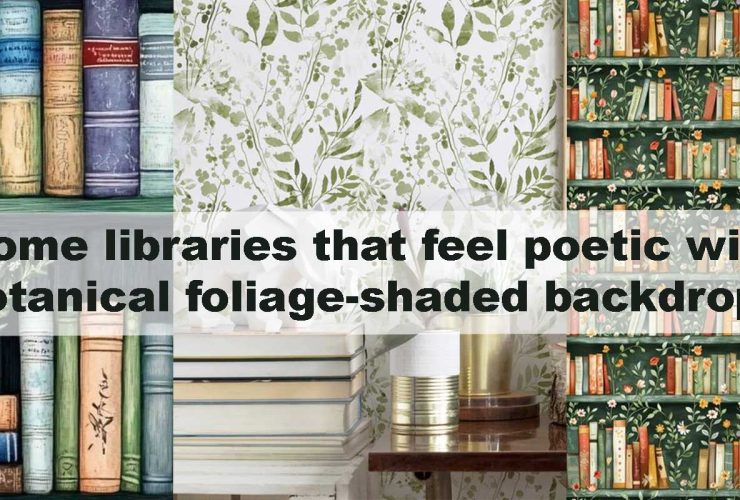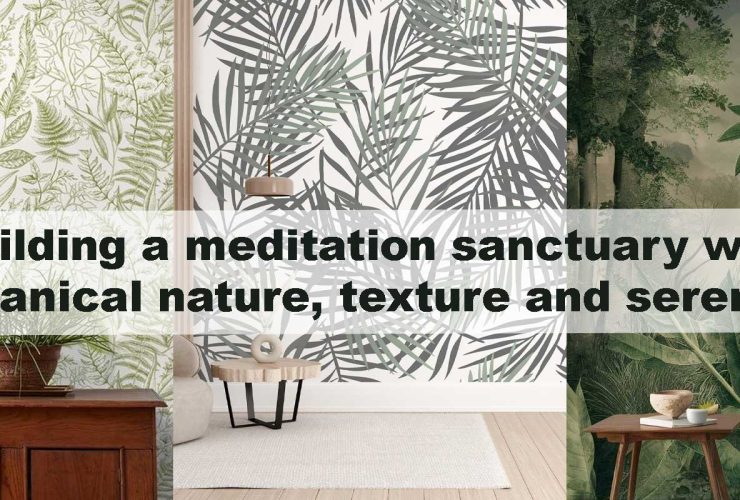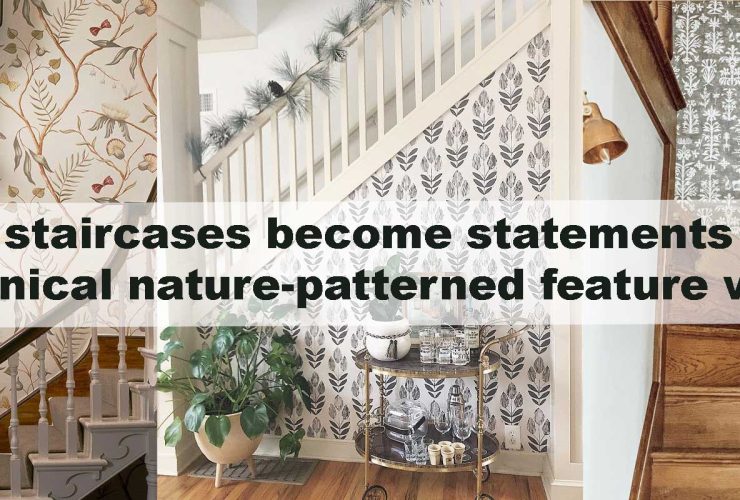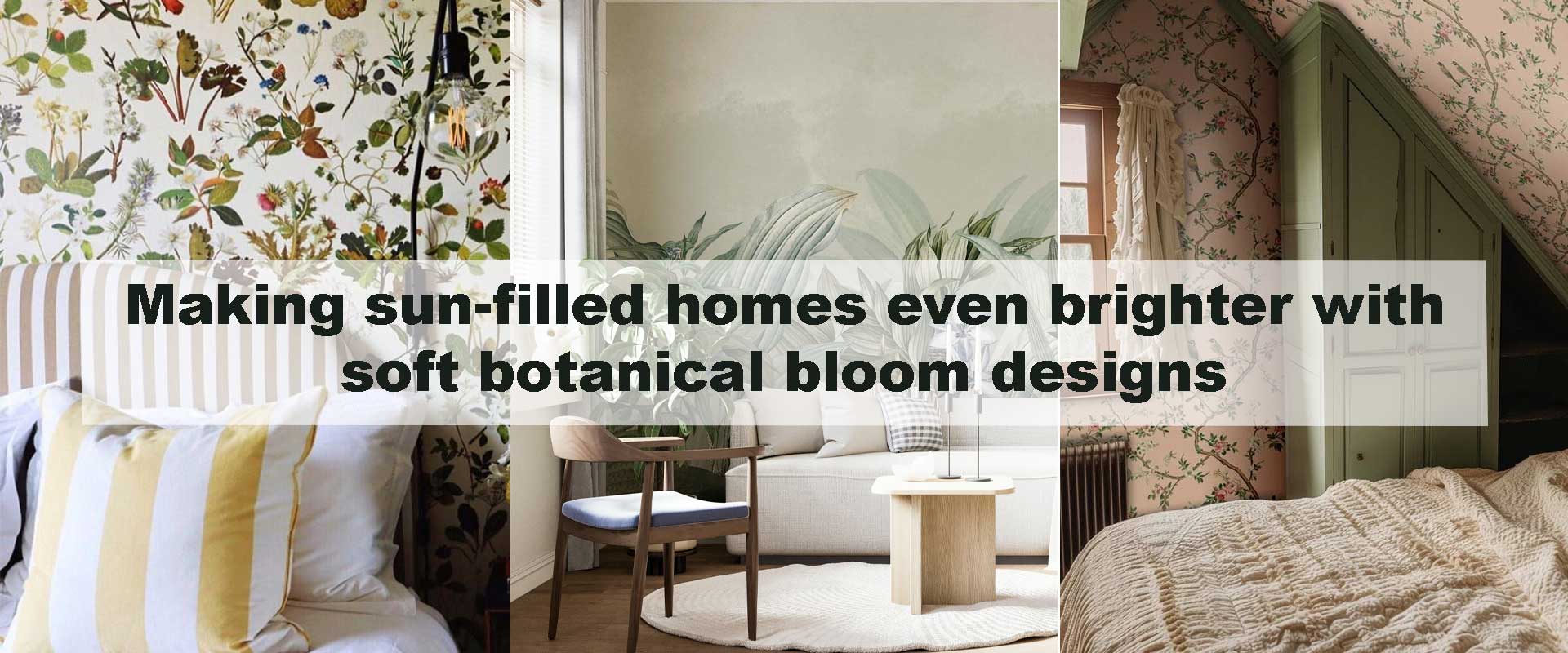
Making sun-filled homes even brighter with soft botanical bloom designs
Sun-filled interiors already feel uplifting, but the right wall design can elevate that brightness into something truly special. When natural light meets gentle botanical bloom patterns, rooms begin to glow with warmth, softness, and visual harmony. Soft botanical bloom designs enhance daylight naturally, helping interiors feel open, calming, and effortlessly elegant without overwhelming the senses.
Homes with generous windows, airy layouts, and shifting daylight benefit most from designs that work with light rather than competing against it. Botanical blooms—especially those expressed through delicate lines, watercolor washes, or muted floral forms—reflect sunlight gently while adding depth and character. This balance explains why designers often choose botanical walls when shaping sun-drenched homes that feel relaxed, refined, and naturally welcoming.
Why Soft Botanical Bloom Designs Love Natural Light
Natural light exposes every nuance within an interior—texture, color temperature, line weight, and visual rhythm. Soft botanical bloom designs thrive in these conditions because their compositions are rooted in organic movement rather than sharp contrast. Delicate leaves, unfolding petals, and fluid floral silhouettes allow sunlight to disperse gently across the wall surface, softening brightness while enhancing overall luminosity.
Unlike bold geometrics or dark, high-contrast murals, botanical blooms respond beautifully to light shifts throughout the day. Morning sunlight brings out fine linework and translucent tones, while afternoon light enriches warmth and depth within the palette. This ever-changing interaction prevents walls from feeling flat or static, creating interiors that feel emotionally alive yet visually effortless.
Light Reflection Without Harshness
Sun-filled homes often face a design challenge: walls can feel either too empty under strong light or overly intense when patterns are too bold. Soft botanical bloom designs strike the perfect balance. Their pale backdrops, layered florals, and open compositions reflect daylight without glare, maintaining brightness while introducing gentle visual depth.
This subtle light-handling quality is why Botanical Wallpaper continues to be a preferred choice for bright interiors. Rather than competing with sunlight, botanical designs work alongside it—softening, shaping, and enhancing brightness while preserving a strong connection to nature.
The Emotional Effect of Botanical Blooms in Bright Spaces
Bright interiors naturally lift mood, but botanical bloom designs deepen that emotional impact. Floral and leaf-inspired motifs are instinctively calming, drawing on our subconscious connection to gardens, landscapes, and open air. When sunlight filters across these organic patterns, the result is a space that feels restorative rather than overstimulating.
Soft blooms avoid harsh contrasts and visual tension, allowing the eye to settle comfortably. This makes them especially suited to everyday living environments, where emotional ease matters as much as visual beauty. Instead of demanding attention, botanical walls quietly support a sense of balance and wellbeing.
Creating a Sense of Flow and Movement
Botanical bloom designs are defined by gentle curves, layered repetition, and natural rhythm. In sunlit rooms, these qualities create the illusion of subtle movement as light travels across the wall. Shadows shift, highlights soften, and the design appears to breathe with the space rather than remain fixed.
This fluid interaction between pattern and light is often noted when discussing Bringing calm to modern homes with soft botanical wallpaper themes. Botanical compositions help interiors feel cohesive and emotionally grounded, especially in contemporary homes where clean lines benefit from organic softness.
Choosing the Right Color Palettes for Sun-Filled Homes
Color choice becomes especially important in interiors flooded with daylight. Soft botanical bloom designs perform best when their palettes complement natural light rather than absorb or overpower it. Warm ivories, gentle greens, blush-toned florals, muted sage, and soft taupe stems respond beautifully to sunlight, creating walls that glow rather than glare.
Highly saturated colors can feel overwhelming in very bright rooms, as sunlight intensifies their presence throughout the day. Layered neutrals with botanical detailing allow light to remain the focal point while still delivering depth, texture, and visual interest.
Green Botanicals for Freshness and Balance
Green is one of the most reliable hues for sun-filled interiors. It reflects light softly while grounding the space visually, preventing brightness from feeling stark. Subtle green botanical patterns also create a seamless connection between indoor spaces and outdoor views, particularly in homes with garden-facing windows or natural surroundings.
For this reason, designers frequently choose Green Botanical Wallpaper in bright homes to reinforce a fresh, breathable atmosphere that remains calm, balanced, and inviting from morning through evening.
Soft Florals vs. Bold Botanicals in Bright Rooms
Not all botanical designs interact with sunlight in the same way. In light-filled interiors, soft floral blooms tend to perform more gracefully because they diffuse brightness rather than intensify it. Their lighter line work, open spacing, and layered detailing allow daylight to move across the surface gently, keeping walls visually calm even at peak brightness.
Bold botanical designs, especially those featuring oversized tropical leaves or dense foliage, create a very different effect. While visually striking, they can sometimes feel dominant in rooms already saturated with light, pulling focus away from architectural balance. Understanding this contrast helps homeowners choose designs that enhance brightness instead of overpowering it.
Soft floral compositions rely heavily on negative space, giving walls room to breathe. This openness prevents visual heaviness and supports a relaxed atmosphere. Bold botanicals, by contrast, are best used selectively—often as a single accent—when the goal is drama rather than softness.
When to Use Floral Botanical Designs
Floral botanical designs are especially effective in spaces meant to feel welcoming, serene, and emotionally balanced. Their gentle repetition and delicate detailing soften large wall surfaces without distracting from windows, furniture, or architectural lines. Rather than commanding attention, floral patterns create a quiet visual backdrop that supports everyday living.
This makes Floral Botanical Wallpaper a natural choice for living rooms, dining areas, and restful bedrooms filled with daylight, where comfort and visual ease are just as important as beauty.
Enhancing Architectural Features With Botanical Blooms
Sun-filled homes often showcase architectural elements such as tall windows, open staircases, wide corridors, or expansive wall planes. Soft botanical bloom designs enhance these features by working in harmony with structure rather than competing with it. Vertical floral stems can subtly draw the eye upward, emphasizing ceiling height, while horizontally flowing blooms help visually widen narrower walls.
Because botanical compositions are organic by nature, they adapt effortlessly to both modern and traditional architecture. Clean-lined contemporary spaces benefit from the softness botanicals introduce, while classic interiors feel enriched rather than disrupted. In both cases, the home’s structure remains visually dominant, with the wall design acting as a supportive layer.
Pairing Botanicals With Natural Materials
Natural materials such as wood, stone, linen, and woven fibers gain depth and warmth when paired with botanical wall designs in bright interiors. Sunlight intensifies the textures of these materials, while floral patterns echo their organic origins, creating a sense of continuity throughout the space.
This layered harmony prevents interiors from feeling staged or fragmented. Instead, rooms feel thoughtfully composed, with each element reinforcing the next. The effect closely reflects the principles discussed in Why wooden furniture feels richer against soft botanical garden-print walls, where botanical designs enhance material richness without adding visual noise.
Soft Botanical Bloom Designs for Living Rooms
Living rooms often receive the most consistent natural light throughout the day, making them an ideal setting for soft botanical bloom designs. In these social spaces, gentle florals frame everyday moments with warmth and personality, adding visual interest without disrupting openness or comfort. Rather than dominating the room, botanical blooms create an inviting backdrop that feels relaxed yet thoughtfully composed.
Soft botanical walls also offer remarkable versatility. Furniture silhouettes, artwork, and layered textiles stand out more clearly against these designs, as the patterns support rather than compete. As daylight shifts from morning brightness to evening glow, the room subtly transforms, giving the living space a dynamic quality that feels organic and lived-in rather than static.
Maintaining Visual Balance in Open Layouts
In open-plan homes, visual balance is essential to prevent bright spaces from feeling scattered. Botanical bloom designs help define zones gently, without relying on walls or partitions. A softly patterned feature wall can anchor a seating area, grounding the space while allowing light and sightlines to flow freely into adjoining zones.
This approach preserves the expansive feel that open layouts are loved for, while still providing a sense of structure. The result is a living area that feels cohesive and intentional, where brightness is celebrated but never overwhelming.
Botanical Blooms in Sunlit Bedrooms
Bedrooms filled with natural light gain a unique softness when paired with botanical bloom designs. Morning sunlight filtering across delicate florals creates a calm, unhurried atmosphere that supports gentle wake-up routines. As the day progresses, the same patterns absorb and soften evening light, easing the transition into rest.
Choosing muted botanical blooms is especially important in these spaces. Subtle tones and open compositions prevent the room from feeling overly stimulating, allowing brightness to coexist with tranquility. The bedroom remains light and airy while still feeling deeply restful.
Supporting Rest Through Natural Motifs
Botanical imagery has a natural calming effect, subtly connecting interiors to outdoor landscapes and slower rhythms. In sleep spaces, this connection becomes especially meaningful. Soft petals, flowing stems, and organic repetition encourage the eye to relax, reducing visual tension before rest.
Rather than acting as a focal display, botanical bloom designs turn the bedroom into a quiet retreat. The space feels personal and soothing, designed for restoration rather than attention—an atmosphere where light, pattern, and calm exist in perfect balance.
Kitchens and Dining Areas With Botanical Brightness
Sun-filled kitchens and dining areas come alive when softened by botanical bloom designs. In spaces dominated by hard finishes—stone countertops, cabinetry lines, and reflective surfaces—gentle florals introduce visual warmth and organic contrast. The result is a room that feels lighter and more inviting without losing its clean, functional character.
Botanical blooms also help sunlight feel more comfortable rather than sharp. Their layered petals and flowing forms diffuse brightness across walls, preventing glare while maintaining openness. This balance allows kitchens to feel energized during the day yet calm and composed during quieter moments.
In dining spaces, botanical walls subtly shape the atmosphere for connection. Soft floral patterns absorb visual harshness and gently soften acoustics, encouraging longer, more relaxed gatherings. Whether bathed in morning light or evening glow, the space feels welcoming and emotionally balanced throughout the day.
Comparing Soft Botanical Bloom Styles
| Botanical Style | Light Interaction | Visual Mood | Best For |
|---|---|---|---|
| Watercolor Blooms | Diffuses light softly | Airy and artistic | Bright living spaces |
| Line-Art Florals | Reflects light evenly | Minimal and modern | Sunlit modern homes |
| Vintage Blooms | Warms daylight tones | Nostalgic and cozy | Traditional interiors |
| Large-Scale Blooms | Highlights wall depth | Statement yet soft | Feature walls |
This comparison shows why softer interpretations outperform bold designs in sun-filled homes, maintaining brightness without sacrificing character.
Seasonal Flexibility of Botanical Bloom Designs
One of the most compelling strengths of soft botanical bloom designs is their ability to evolve naturally with the seasons. In summer, abundant daylight enhances their freshness, allowing petals, leaves, and delicate linework to feel light, airy, and energizing. The walls appear brighter and more expansive, echoing the openness of the season without feeling overstated.
As daylight softens in winter, these same designs take on a warmer, more intimate character. Subtle contrasts become more noticeable, muted tones feel richer, and the space gains a gentle sense of depth and comfort. This seamless seasonal transition makes botanical walls feel intentional year-round, positioning them as a long-term design choice rather than a passing trend.
Styling Tips to Maximize Brightness
Thoughtful styling can significantly amplify the impact of botanical walls in sun-filled homes. Light-toned furniture helps reflect daylight back into the space, while natural materials such as linen, cane, and pale wood echo the organic language of the patterns. Metallic or glass accents can add a soft reflective quality without introducing visual sharpness.
Window treatments play an equally important role. Heavy drapery can block light and mute the interaction between sunlight and pattern, whereas sheer or lightly textured fabrics allow botanical designs to remain active throughout the day. Artwork with organic forms or subtle nature references further reinforces the narrative, layering interest without competing for attention.
Common Mistakes to Avoid
Even in bright interiors, botanical designs require balance. Overly dense patterns with limited background space can absorb too much light, making walls feel heavier than intended. In sun-filled rooms, this density can diminish openness rather than enhance it.
High-contrast florals present a similar challenge. Under strong daylight, sharp contrasts may feel visually aggressive, disrupting the calm rhythm of the space. Choosing soft bloom designs with thoughtful spacing and gentle tonal variation ensures the walls support the room’s brightness instead of dominating it.
Why Soft Botanical Bloom Designs Feel Timeless
While interior trends continually shift, botanical motifs remain deeply anchored in design history. Their enduring appeal comes from their connection to nature—something that never feels dated, especially in homes shaped by natural light. Soft botanical blooms, in particular, avoid exaggerated styling, allowing them to move gracefully across design eras.
This restraint is what gives them longevity. As furniture styles, color accents, and decorative preferences evolve, botanical walls remain adaptable and relevant. In sun-filled homes where walls are always visible, this timeless quality ensures the space feels considered, balanced, and effortlessly beautiful for years to come.
FAQ
Do soft botanical bloom designs suit very bright rooms?
Yes. They diffuse sunlight gently, preventing glare while maintaining brightness and visual comfort.
Will botanical blooms fade in sunlit homes?
High-quality designs maintain their appearance well, especially when palettes are chosen thoughtfully for bright conditions.
Are botanical bloom designs suitable for modern interiors?
Absolutely. Line-art florals and minimalist blooms complement modern spaces beautifully.
Can botanical walls work in open-plan homes?
Yes. They help define zones subtly while preserving openness and flow.
Conclusion
Soft botanical bloom designs transform sun-filled homes into spaces that feel even brighter, calmer, and more inviting. By working in harmony with natural light, these patterns enhance warmth, depth, and emotional comfort without overwhelming the architecture. Thoughtful color choices, gentle compositions, and organic motifs ensure walls remain timeless and adaptable.
For homeowners seeking to elevate bright interiors naturally, botanical blooms offer a refined solution that celebrates light rather than competing with it. Choosing the right design creates rooms that glow effortlessly, day after day, with a sense of balance and beauty that feels truly lived-in.