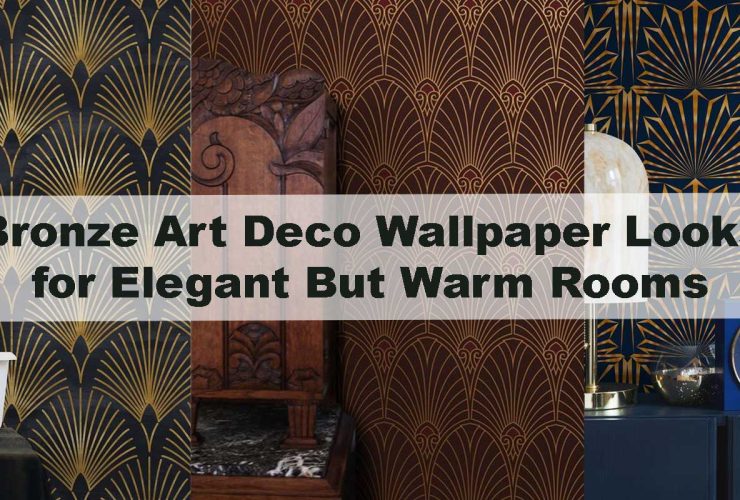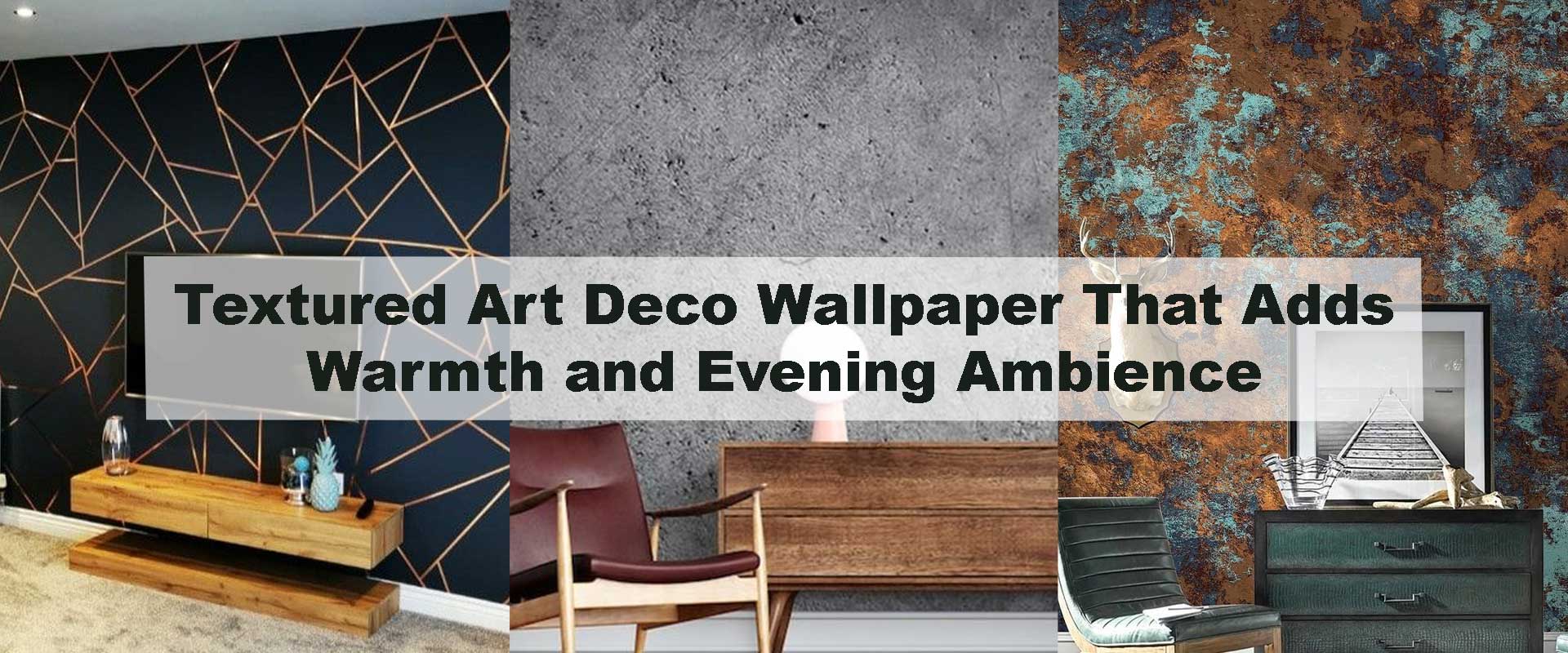
Textured Art Deco Wallpaper That Adds Warmth and Evening Ambience
Evenings are when interiors reveal their most expressive side. As daylight softens and artificial lighting takes over, walls begin to shape mood rather than simply frame furniture. Textured Art Deco wallpaper that adds warmth and evening ambience excels in this transition, using depth, pattern, and surface movement to create spaces that feel welcoming after sunset. Unlike flat finishes, texture allows walls to interact with light, shadow, and atmosphere in a more nuanced way.
Art Deco has always celebrated structure and luxury, but texture elevates it further by introducing tactility and visual softness. Raised lines, fabric-like surfaces, and gently reflective details transform rooms into layered environments that feel calm, intimate, and composed during evening hours.
Why Texture Becomes More Impactful After Dark
Texture behaves very differently under artificial lighting than it does in daylight. As evening arrives, lamps and wall sconces replace broad illumination with directional light that gently grazes wall surfaces instead of washing over them. This angled light reveals every ridge, curve, and embossed detail within textured Art Deco wallpaper, allowing the design to emerge gradually rather than all at once.
As shadows settle into the raised pattern, the wall gains depth without visual clutter. The surface appears animated yet calm, holding interest without demanding attention. This measured balance between presence and restraint echoes ideas explored in Why Art Deco Wallpaper Is Returning as the Biggest Luxury Design Trend, where material richness plays a key role in creating interiors that feel purposeful after sunset. The result is an environment that feels thoughtfully composed for evening living rather than simply lit for function.
Art Deco Geometry and the Psychology of Warmth
Art Deco design is built on repetition, symmetry, and rhythm—qualities that naturally bring order to a space. When these structured patterns are paired with texture, their visual impact softens. The eye moves more slowly across raised lines and layered forms, creating a sense of grounding that feels especially comforting after dark.
This softened structure replaces sharp contrast with visual reassurance. Textured Art Deco wallpaper introduces cues of craftsmanship and permanence, qualities that register emotionally even when unnoticed. In the evening, these elements help interiors feel stable, settled, and emotionally warm, encouraging a sense of ease that aligns with night-time relaxation.
How Textured Walls Shape Evening Ambience
Evening ambience is shaped largely by how surfaces handle light. Smooth walls reflect illumination evenly, which can feel flat or stark once natural light fades. Textured walls behave differently, breaking light into subtle variations that create pockets of glow alongside gentle shadow.
This uneven reflection softens the room visually. Glare is reduced, lamps feel warmer, and the space takes on a more intimate tone. Over time, this visual softness supports slower pacing and deeper relaxation, particularly in rooms intended for unwinding. Textured Art Deco wallpaper doesn’t just decorate the wall—it actively shapes how the room feels as the day gives way to night.
Types of Art Deco Textures That Add Warmth
Embossed and Raised Patterns
Embossed Art Deco designs introduce architectural depth that becomes especially expressive after sunset. Fan motifs, stepped lines, and curved geometries take on a sculptural presence under warm lighting, allowing shadows to define form without making the wall feel heavy or imposing. The texture adds drama in a controlled, elegant way that feels true to Art Deco’s structured roots.
These raised patterns are particularly effective in social spaces, where walls need character but must never dominate the room. The depth draws the eye gently, holding visual interest while allowing conversation, movement, and furnishings to remain the focus.
Fabric-Inspired Textures
When textile qualities are translated into wallpaper, the result is immediate softness. Linen-like, silk-inspired, or subtly woven finishes absorb light rather than reflect it, creating a cocooning effect that feels naturally suited to evening hours. As lighting dims, these textures blur sharp edges and help the room settle into a calmer visual rhythm.
This balance between structure and softness reflects the principles discussed in How Art Deco Wallpaper Enhances Modern Minimalist Furniture, where texture acts as a bridge between clean-lined forms and emotional warmth. Fabric-inspired Art Deco textures prevent interiors from feeling too rigid once daylight fades.
Subtle Metallic Texture
Metallic elements don’t need high shine to feel indulgent. When woven into textured Art Deco wallpaper, brushed golds, antique bronzes, and muted champagne tones respond beautifully to warm bulbs. Instead of sharp reflections, they produce a low, ambient glow that feels refined and inviting.
These finishes pay homage to Art Deco’s glamorous heritage while remaining restrained enough for everyday living. In the evening, subtle metallic textures add depth and richness, enhancing ambience without tipping into excess or visual noise.
Best Color Palettes for Evening-Friendly Art Deco Walls
Texture amplifies the emotional impact of color, especially once daylight fades. Warm neutrals such as taupe, sand, and soft stone develop a richer presence when paired with raised Art Deco surfaces, as texture introduces gentle shadowing that keeps these tones from feeling flat at night. This combination creates walls that feel quietly glowing rather than visually silent under evening lighting.
Deeper hues like emerald, navy, and charcoal benefit even more from texture. When the surface is broken up by raised geometry, darker colors gain depth without heaviness, allowing light to travel across the wall in subtle variations. This effect is particularly striking in spaces styled with Textured Art Deco Wallpaper, where depth and color work together to maintain warmth and intimacy after sunset.
Textured Art Deco wallpaper in darker palettes truly comes alive in the evening. As lamps and sconces graze the raised patterns, the wall avoids feeling enclosed, instead offering dimension and visual movement that feels refined and enveloping.
Lighting Strategies That Enhance Textured Walls
Directional lighting plays a defining role in how textured Art Deco walls are perceived at night. Wall sconces, table lamps, and floor lamps allow light to skim across raised surfaces, revealing pattern depth without harsh contrast. This approach keeps the wallpaper visually rich while maintaining a calm, composed atmosphere.
Overhead lighting should remain secondary during evening hours, supporting rather than dominating the space. Layered lighting strategies allow the room’s mood to shift gradually, letting texture respond naturally as brightness levels change. This balance is often highlighted when considering finish choices, as discussed in Should You Choose Matte or Gloss Finish for Art Deco Geometry Walls?, where surface interaction with light becomes central to evening ambience.
When lighting is thoughtfully layered, textured Art Deco wallpaper becomes an active part of the room’s night-time character—adding warmth, depth, and a sense of intentional calm that unfolds slowly as the evening progresses.
Where Textured Art Deco Wallpaper Feels Most Effective
Living Rooms After Sunset
Living rooms undergo the most noticeable transformation as daylight fades and evening lighting takes over. Textured Art Deco wallpaper supports this shift by holding visual depth even in softer light, preventing walls from feeling flat or inactive at night. Raised patterns catch shadows gently, allowing the space to feel layered and welcoming without relying on bold contrast.
This is why designers frequently rely on Art Deco Wallpaper as a grounding element in living rooms designed for evening use. The structured geometry keeps the space feeling composed, while texture introduces warmth that encourages longer conversations and relaxed gatherings after dark.
Dining Areas With Soft Lighting
Dining areas benefit greatly from textured walls because they are typically lit with pendants, sconces, or candlelight rather than bright overhead sources. Texture absorbs and diffuses this softer illumination, creating a more intimate dining atmosphere that feels intentional rather than staged.
Raised Art Deco motifs interact subtly with flickering light, adding richness without drawing attention away from the table. This quiet visual movement enhances the sense of occasion, making everyday meals feel more considered and evening gatherings feel naturally refined.
Bedrooms Focused on Calm Evenings
In bedrooms, textured Art Deco wallpaper contributes to a sense of enclosure and visual calm that supports evening rest. Fabric-inspired finishes and lightly embossed patterns reduce visual sharpness, helping the room feel softer as lighting dims. Instead of demanding attention, the wallpaper settles into the background, allowing the space to feel emotionally restful.
These textures also temper the inherent structure of Art Deco geometry, ensuring patterns feel soothing rather than stimulating. The result is a bedroom environment that transitions smoothly from daytime clarity to night-time calm.
Popular Textured Art Deco Styles to Consider
For interiors that prioritise warmth through depth rather than shine, Textured Art Deco Wallpaper offers raised surfaces that come alive through shadow play. These designs feel especially grounded in the evening, when subtle light variation becomes part of the atmosphere rather than a distraction.
Spaces that benefit from a softer glow often turn to Luxury Metallic Art Deco Wallpaper, where brushed finishes and muted metallic tones reflect warm light gently instead of sharply. This restrained shimmer enhances evening ambience without overpowering the room.
For homes that value structure and balance, Geometric Art Deco Wallpaper delivers repetition and rhythm that keeps textured surfaces visually organised. The geometry anchors the texture, ensuring depth feels deliberate and composed as lighting softens throughout the night.
Textured Art Deco Wallpaper for Evening Ambience
| Texture Type | Light Interaction | Evening Mood | Best Suited Spaces |
|---|---|---|---|
| Embossed Geometry | Creates defined shadows | Dramatic yet controlled | Living rooms, feature walls |
| Fabric-Inspired Finish | Absorbs light softly | Calm and cocooning | Bedrooms, lounges |
| Subtle Metallic Texture | Reflects warm glow | Refined and intimate | Dining areas, statement walls |
| Deep Textured Neutrals | Diffuses light evenly | Grounded and relaxed | Open-plan interiors |
Styling Tips for Balanced Evening Warmth
To let textured Art Deco wallpaper perform at its best after sunset, surrounding finishes should feel calm and intentional. Matte or softly brushed surfaces prevent light from bouncing too sharply, allowing the wallpaper’s raised details to catch illumination gently. This balance ensures the wall reads as rich and layered rather than glossy or overpowering in low light.
Pairing textured Art Deco walls with tactile materials strengthens the sense of warmth. Velvet upholstery, natural wood grains, and hand-finished ceramics echo the wall’s depth, creating a cohesive, touch-driven interior that feels inviting in the evening. These materials absorb and soften light, reinforcing the relaxed rhythm that textured surfaces introduce.
Decor should be curated rather than abundant. Limiting visual clutter allows the wallpaper to remain the quiet focal point, with its texture unfolding gradually as lighting shifts throughout the night. This restraint creates an atmosphere where depth and warmth are felt rather than forced, supporting a composed, evening-ready space.
FAQ: Textured Art Deco Wallpaper and Evening Ambience
Does textured Art Deco wallpaper make rooms feel smaller at night?
When chosen thoughtfully, texture actually adds depth rather than visual weight. Raised patterns interact with light to prevent walls from feeling flat or enclosing.
Is textured wallpaper better than flat finishes for evening lighting?
Yes. Texture diffuses artificial light more naturally, reducing glare and creating softer transitions between light and shadow.
Can textured Art Deco wallpaper work in modern interiors?
Absolutely. Its structured geometry complements contemporary furniture while texture adds warmth that modern spaces often lack.
Are metallic textures too reflective for evening use?
Not when finishes are brushed or muted. Subtle metallic textures glow softly under warm bulbs rather than reflecting harsh light.
Should textured wallpaper cover all walls or just one?
Both approaches work. Feature walls add targeted warmth, while full coverage creates an immersive evening atmosphere in larger spaces.
Final Thoughts
Textured Art Deco wallpaper that adds warmth and evening ambience offers more than visual appeal. It shapes how light behaves, how rooms feel after sunset, and how comfortably people settle into their spaces at night. Through depth, geometry, and tactile richness, textured Art Deco designs create interiors that feel intentional, calming, and quietly luxurious.
For homes that prioritize atmosphere as much as style, textured Art Deco wallpaper remains a timeless choice—one that continues to reveal its beauty long after the sun goes down.