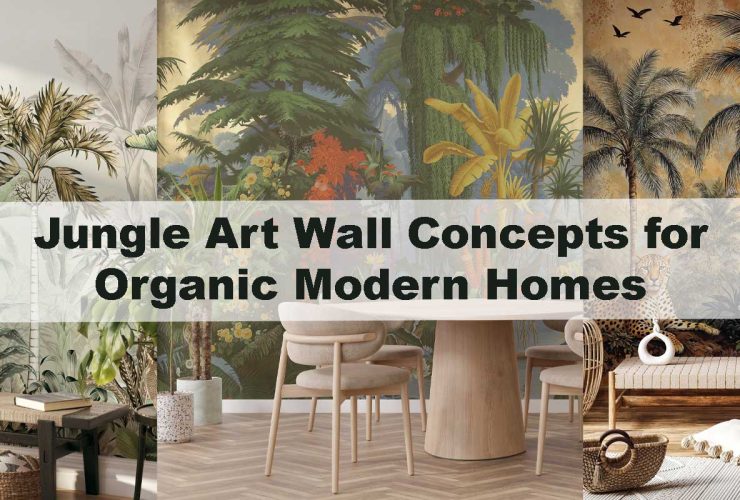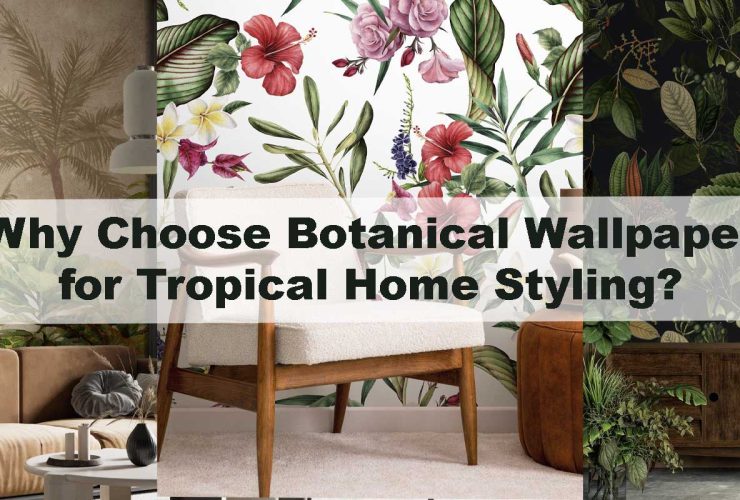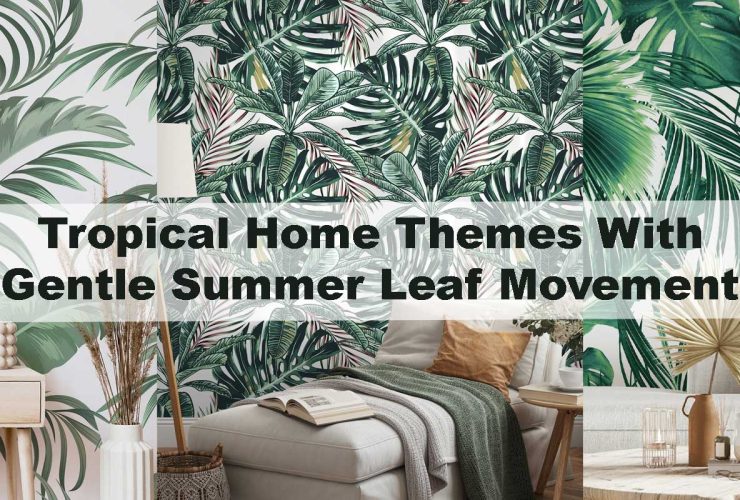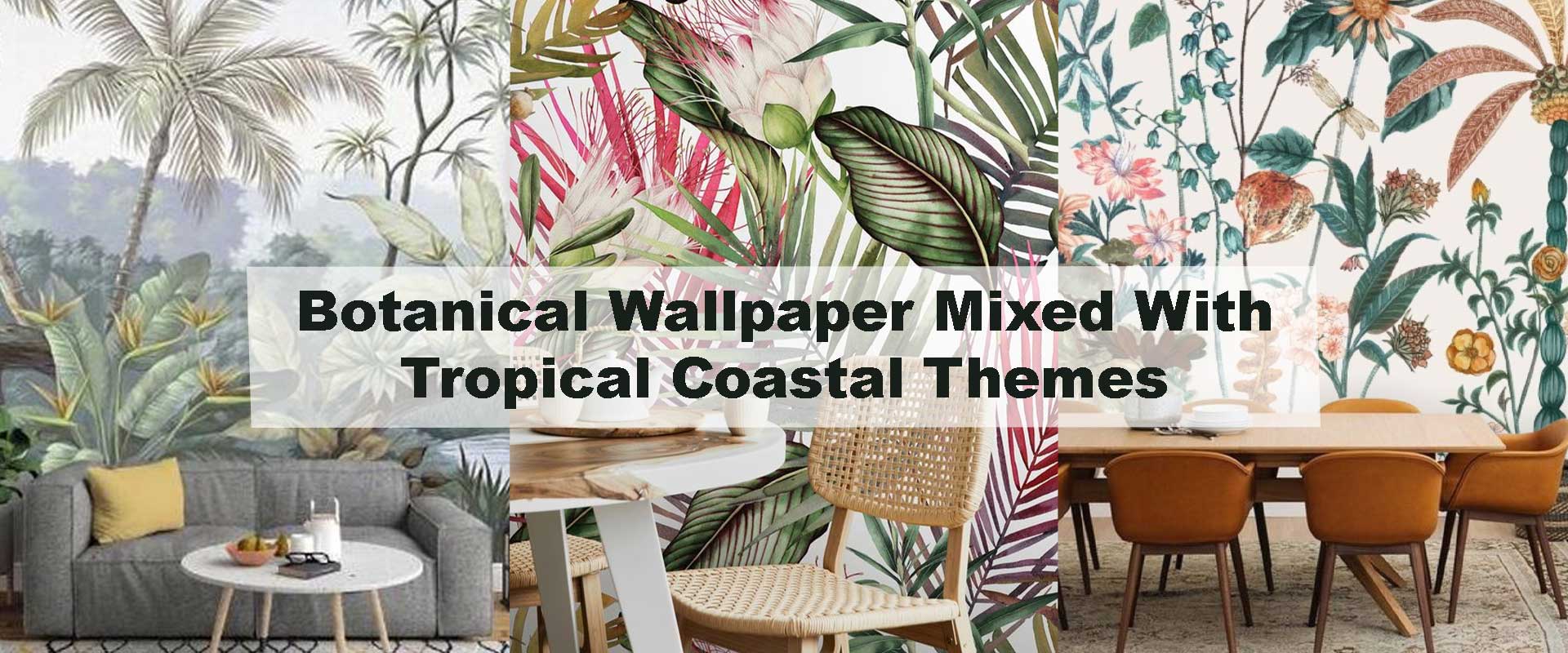
Botanical Wallpaper Mixed With Tropical Coastal Themes
Nature-inspired interiors feel most inviting when greenery and light work together. Botanical wallpaper mixed with tropical coastal themes captures that balance by blending leafy detail with ocean-influenced calm. This style feels grounded yet open, decorative yet effortless, offering a look that instantly softens interiors without overwhelming them. Within the first glance, you sense both lush vegetation and coastal ease working as one visual language.
Unlike dense jungle murals or pure seaside motifs, this approach sits comfortably in between. Botanical forms bring organic movement, while coastal tones introduce airiness and visual breathing space. When designed thoughtfully, these wallpapers feel timeless, adaptable, and emotionally soothing—ideal for homes that want warmth without heaviness.
Why Botanical and Coastal Elements Work So Naturally Together
Botanical patterns and coastal influences connect through a shared visual gentleness. Leaf shapes, flowing fronds, and soft floral outlines mirror the curves found along shorelines, wind-shaped dunes, and drifting cloud formations. Because both draw from nature’s slower rhythms, their combination feels instinctive rather than decorative, creating spaces that appear composed without looking deliberately styled.
Color strengthens this relationship even further. Muted greens blend effortlessly with sandy neutrals, sea-glass blues, and sun-warmed whites, forming palettes the eye reads as familiar and restful. These tones reduce visual tension and encourage openness, reinforcing the spatial ease discussed in How Can Tropical Wallpaper Make Small Rooms Feel Larger?. Instead of acting as surface ornament, the wallpaper becomes an extension of light, air, and atmosphere, allowing walls to feel expansive rather than visually contained.
Visual Characteristics of Botanical Coastal Wallpaper
Soft Foliage Instead of Dense Canopies
Rather than relying on immersive jungle density, botanical coastal wallpapers favor lighter, more deliberate plant forms. Palms, ferns, banana leaves, and abstract floral shapes are arranged with intentional spacing, allowing the background to remain visible. This openness reflects coastal environments, where vegetation coexists with air and horizon, preventing walls from feeling heavy or enclosing.
Ocean-Influenced Color Stories
Color palettes move away from deep emeralds and shadowed greens, leaning instead toward sage, olive, eucalyptus, and softened seafoam. These hues are often layered over pale blues, washed aquas, or warm off-whites that subtly recall sky and shoreline. The effect is atmospheric rather than literal, suggesting coastal calm without relying on overt imagery.
Textural Calm Rather Than Sharp Contrast
Texture plays a quiet but essential role in botanical coastal designs. Watercolor blends, linen-like finishes, and softly brushed surfaces introduce depth without visual disruption. These gentle layers create movement that feels continuous and relaxed, supporting interiors that prioritize comfort, cohesion, and long-term visual ease rather than sharp contrast or dramatic statements.
Comparing Botanical Coastal Styles
| Style Direction | Visual Mood | Best For | Lasting Appeal |
|---|---|---|---|
| Light botanical coastal | Airy, fresh, open | Sunlit living areas | High |
| Watercolor foliage coast | Artistic, relaxed | Calm personal spaces | High |
| Palm-led coastal blend | Tropical but refined | Feature walls | Medium |
| Neutral botanical coast | Soft, understated | Minimal interiors | Very high |
Integrating With Broader Tropical Design Themes
For interiors that already lean toward tropical expression, botanical coastal wallpaper works as a visual mediator rather than a dramatic departure. It gently softens bold tropical energy, allowing spaces to feel more breathable while still staying connected to lush, nature-led storytelling. This balance makes it especially effective in homes that want refinement without losing warmth or character.
Its relationship with Jungle Tropical Wallpapers feels intuitive. Instead of dense foliage or immersive jungle scenes, botanical coastal designs reinterpret tropical elements through openness, light, and negative space. The result is a calmer, more adaptable surface that complements existing tropical accents rather than competing with them.
Within this broader family, selecting focused directions can subtly shape the atmosphere. Designs inspired by coastal patterns emphasize horizon-like openness and gentle movement, while refined botanical themes keep greenery expressive yet controlled. When interiors call for painterly softness and visual layering, watercolor murals introduce fluid transitions that echo sea air and filtered sunlight, enhancing the sense of coastal calm without overt imagery.
Long-Term Appeal of Botanical Coastal Wallpaper
The lasting appeal of botanical coastal wallpaper lies in its ability to remain visually relevant as interiors evolve. By avoiding literal scenes, sharp contrasts, or trend-driven motifs, these designs maintain a quiet flexibility that adapts naturally to shifting furniture styles, seasonal textiles, and changing color accents.
Because the palette stays rooted in nature—greens softened by sand, sky, and water tones—the wallpaper continues to feel appropriate even as décor becomes lighter, warmer, or more minimal over time. This adaptability aligns closely with the principles discussed in Why Choose Jungle Wallpaper Over Traditional Patterned Prints, where organic compositions prove more forgiving and enduring than rigid repeats. Botanical coastal walls don’t feel staged for a specific moment; instead, they develop a lived-in quality that grows richer as the space around them changes.
FAQ
Does botanical coastal wallpaper suit modern interiors?
Yes. When paired with clean lines and neutral furnishings, the softness of foliage balances modern structure without adding clutter.
Can this style work in smaller spaces?
Absolutely. Lighter colors and spaced botanical motifs help walls feel open rather than enclosing.
Is full-wall coverage necessary?
Both full coverage and single-wall use work well. Entire rooms feel immersive, while accent walls add gentle character.
How do I avoid an overly tropical look?
Choose muted palettes, abstract foliage, and softer textures instead of high-contrast or literal imagery.
Conclusion
Botanical wallpaper mixed with tropical coastal themes offers a rare balance of nature and openness. By blending leafy movement with ocean-inspired calm, these designs create interiors that feel relaxed, warm, and visually breathable. The result is a wall story that supports daily living rather than competing with it.
For homes seeking a natural aesthetic that feels timeless rather than trend-driven, this style delivers lasting comfort and subtle beauty. When chosen thoughtfully, botanical coastal wallpaper becomes not just décor, but an atmosphere that gently shapes how a space feels every day.