Old-world wallpaper ideas that build timeless charm in contemporary homes
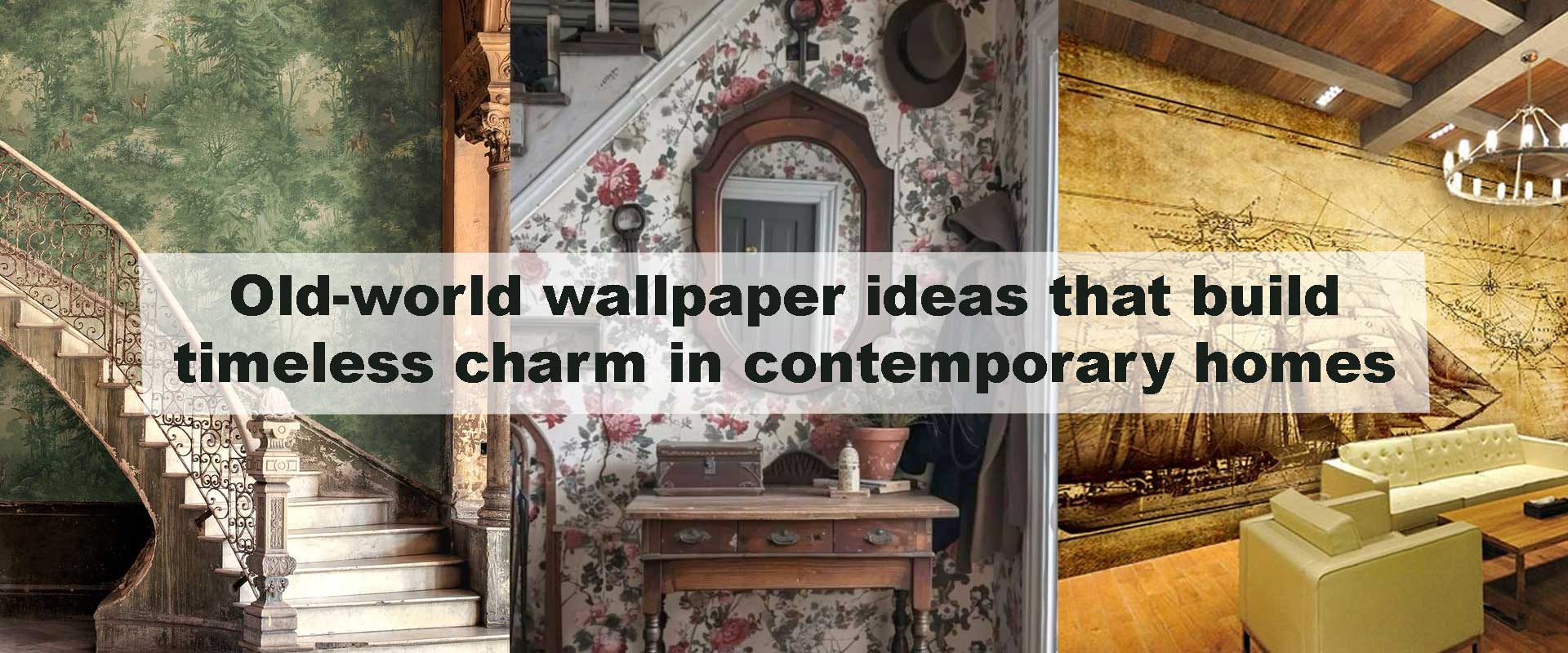
What gives a contemporary home a sense of depth and permanence instead of feeling tied to a passing trend? Old-world wallpaper ideas offer that answer by blending historic pattern language with modern spatial clarity. These designs bring warmth, rhythm, and quiet artistry into clean-lined interiors, allowing walls to feel intentional rather than empty. When thoughtfully chosen, old-world wallpaper ideas don’t compete with modern design—they soften it, ground it, and give it lasting emotional appeal.
Modern homes often rely on minimal detailing, open layouts, and neutral materials. Old-world wallpaper becomes the element that introduces soul, telling a visual story through pattern rather than ornament overload. This balance is why heritage-inspired walls continue to feel relevant across evolving interior styles.
Why Old-World Wallpaper Feels So Natural in Modern Homes
Old-world wallpaper ideas are built on proportion and repetition, two principles that align closely with contemporary design thinking. Instead of dramatic contrast or sharp graphic statements, these patterns rely on measured rhythm that allows the eye to rest. That sense of calm makes them especially suitable for homes that prioritize clarity and comfort.
Another reason these wallpapers integrate seamlessly is their softened color palettes. Faded inks, mineral tones, and aged neutrals feel harmonious alongside modern materials like concrete, wood, and metal. Rather than dominating the room, the pattern becomes part of the architectural flow, similar to how carefully curated pieces from the broader Vintage Wallpaper collection are designed to complement both classic and modern interiors.
Timeless Old-World Patterns That Translate Beautifully Today
Damask Motifs That Add Quiet Structure
Damask designs remain one of the most enduring old-world wallpaper ideas because they rely on balance rather than ornament overload. Their mirrored symmetry creates a steady visual rhythm that feels composed and intentional, qualities that suit contemporary interiors remarkably well. While damasks were once reserved for formal settings, today they adapt effortlessly to modern living rooms where clean-lined furniture benefits from a subtle layer of depth.
What makes damask especially relevant now is its ability to frame space without demanding attention. The pattern holds the wall together visually, allowing modern materials and furnishings to stand out more clearly. This refined restraint reflects the same design logic discussed in Timeless damask motifs bringing heritage elegance to modern interiors, where historic symmetry enhances contemporary calm instead of overpowering it.
Botanical Illustrations With Historic Softness
Old-world botanical wallpaper interprets nature through delicacy rather than drama. These designs lean on hand-drawn linework, softened outlines, and gently aged color palettes that feel expressive yet controlled. Instead of bold contrast, the beauty lies in layered detail that reveals itself gradually, creating walls that feel alive without visual tension.
In contemporary homes, botanical patterns shine when paired with simple furniture silhouettes and natural textures. They bring warmth and gentle movement into the space while preserving a sense of order. This is why many homeowners gravitate toward Botanical Vintage Wallpaper, which offers a timeless connection to nature that feels calming, elegant, and effortlessly integrated into modern interiors.
Trellis and Lattice Patterns for Architectural Harmony
Trellis and lattice designs stand apart among old-world wallpaper ideas because of their architectural clarity. Rooted in classical gardens and historic interiors, these patterns introduce structure through repetition and proportion. Their grid-based rhythm mirrors the linear language already present in modern homes, from window frames to shelving and floor layouts.
In minimalist settings, trellis wallpaper defines space with precision rather than decoration. It guides the eye gently across the wall, reinforcing order without clutter. This harmony between structure and simplicity echoes the same principles explored in Classic trellis wallpaper patterns that add structure to open-plan spaces, where pattern strengthens spatial flow instead of interrupting it.
Color Choices That Keep Old-World Wallpaper Feeling Fresh
Soft Neutrals That Support Timeless Design
Neutral tones form the foundation of successful old-world wallpaper ideas in contemporary homes. Shades such as parchment, warm stone, antique ivory, and softened grey interact beautifully with natural light, creating walls that feel consistent and calming from morning through evening. These hues allow heritage patterns to blend into the architecture rather than sitting on top of it.
Another advantage of neutral palettes is longevity. As furniture styles, artwork, or textiles change, the wallpaper remains relevant, reinforcing a sense of permanence instead of following short-lived trends. This adaptability is what makes neutral-based old-world designs so enduring.
Muted Jewel Tones for Subtle Depth
Muted jewel tones offer an alternative for those who want richness without visual heaviness. Soft emerald, weathered navy, and toned-down burgundy reference traditional pigments while feeling refined in modern settings. These colors add emotional warmth and depth without overwhelming the space.
They are especially effective in areas shaped by evening light, where layered illumination enhances their softness and complexity. Used thoughtfully, muted jewel tones allow old-world wallpaper ideas to feel intimate, sophisticated, and quietly luxurious rather than bold or dramatic.
Old-World Wallpaper Compared to Modern Graphic Designs
| Design Aspect | Old-World Wallpaper | Modern Graphic Wallpaper |
|---|---|---|
| Visual Rhythm | Balanced and predictable | Often bold and irregular |
| Longevity | Designed to age gracefully | Trend-driven |
| Emotional Tone | Warm and familiar | Energetic and expressive |
| Modern Compatibility | Very high | Depends on styling |
| Timeless Appeal | Strong | Moderate |
Conclusion
Old-world wallpaper ideas bring timeless charm to contemporary homes by blending historic artistry with modern restraint. Their balanced patterns, softened colors, and architectural rhythm create spaces that feel grounded, warm, and enduring. Instead of following trends, these designs support long-term comfort and visual harmony. For homeowners seeking interiors that feel both modern and deeply personal, old-world wallpaper remains one of the most elegant and lasting design choices.
Frequently Asked Questions
Do old-world wallpaper ideas make contemporary homes feel outdated?
Not at all. When paired with clean-lined furniture and modern finishes, old-world wallpaper adds warmth and depth rather than age. The key lies in choosing balanced patterns and softened colors that complement modern architecture instead of competing with it.
Can old-world wallpaper work in minimalist interiors?
Yes. Many old-world designs rely on symmetry and repetition, which align naturally with minimalist principles. Subtle damasks, trellis patterns, or faded botanicals introduce visual interest while preserving calm and order.
Which rooms benefit most from old-world wallpaper in modern homes?
Living rooms, dining spaces, and bedrooms tend to benefit the most. These areas allow heritage-inspired patterns to create atmosphere without overwhelming daily function, especially when used on feature walls or defined zones.
How do I keep old-world wallpaper from feeling too decorative?
Balance is essential. Pair patterned walls with simple furniture silhouettes, limit accessories, and allow negative space to breathe. This restraint keeps the design timeless and prevents visual heaviness.
Are neutral shades better than bold colors for old-world wallpaper?
Neutral tones are easier to integrate and age gracefully, but muted jewel tones can also work beautifully. Soft emeralds, antique blues, and toned-down burgundies add richness while maintaining sophistication.
Is old-world wallpaper suitable for open-plan layouts?
Yes, when applied thoughtfully. Using heritage patterns to define one zone within an open layout creates visual anchoring without disrupting flow, helping large spaces feel cohesive yet character-rich.