Creating urban apartments that feel closer to nature again with botanical themes
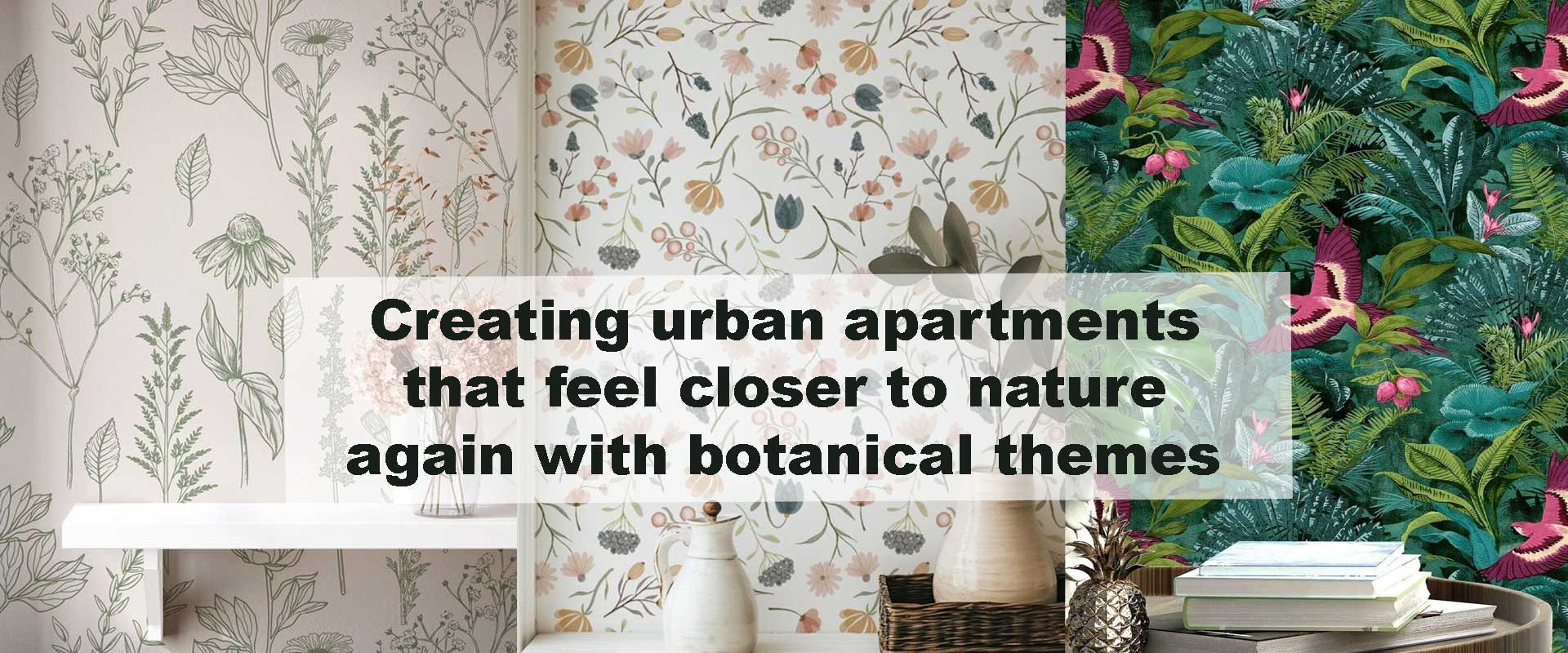
City living doesn’t have to feel sealed off from nature. As urban apartments grow more compact and vertical, many homeowners are rediscovering the calming power of botanical themes to soften hard lines, reconnect interiors with the outdoors, and restore a sense of balance. Botanical design isn’t about turning apartments into jungles—it’s about introducing natural rhythm, organic color, and visual breathing space in ways that feel intentional and refined.
From leafy wall patterns that echo garden canopies to soft vine motifs that calm overstimulated rooms, botanical themes are reshaping how urban homes feel on a daily basis. When applied thoughtfully, they transform apartments into restorative environments that counter the pace and density of city life without sacrificing modern style.
Why Urban Apartments Crave Botanical Influence
Urban environments place constant pressure on the senses through concrete skylines, reflective glass, traffic noise, and relentless movement. Apartments—especially in dense city centers—often mirror this intensity with rigid layouts, sharp angles, and neutral finishes chosen for efficiency rather than emotional comfort. Botanical themes act as a visual and psychological release, softening these hard edges and restoring a sense of balance that city living often erodes.
Natural motifs tap into an instinctive need for connection with the outdoors. Even when balconies, terraces, or garden views are absent, leafy patterns, gentle florals, and organic silhouettes reintroduce nature at a subconscious level. This quiet presence helps interiors feel calmer, more grounded, and distinctly human—spaces that support daily life rather than merely containing it.
Botanical design also resonates in urban settings because of its remarkable adaptability. It blends seamlessly into minimalist apartments, adds warmth to contemporary layouts, complements eclectic styling, and softens industrial interiors without clashing. Rather than overwhelming compact spaces, botanical themes offer character with restraint, bringing life into apartments without adding clutter or visual excess.
Botanical Wallpaper as the Foundation of Nature-Inspired Apartments
In urban homes, walls do far more than define boundaries—they shape mood, scale, and emotional tone. Botanical wallpaper is one of the most effective ways to introduce nature into apartments without sacrificing valuable floor space. Unlike plants or décor that sit within a room, wallpaper becomes part of the architecture itself, influencing how the space feels the moment you step inside.
Soft leaf repeats create a gentle visual rhythm that allows the eye to move fluidly across the room instead of stopping at sharp corners or blank surfaces. Large-scale botanical murals suggest depth and distance, subtly expanding compact apartments and making them feel lighter and more breathable. Delicate floral outlines bring refinement and texture, enriching minimalist interiors without disrupting their clarity.
Designers often rely on Botanical Wallpaper as a foundational element in urban apartments because it delivers lasting impact with minimal intervention. A single thoughtfully chosen wall can define atmosphere, soften architecture, and reconnect city interiors with nature—without requiring constant maintenance or additional styling.
Choosing the Right Botanical Mood for City Living
Not all botanical designs create the same emotional response, and in urban apartments that distinction matters. City homes benefit most from botanical moods that encourage calm, visual continuity, and a sense of openness rather than dense, decorative drama. By understanding how different botanical styles influence perception, it becomes easier to shape interiors that feel balanced, breathable, and emotionally grounding instead of visually crowded.
The key lies in matching the botanical mood to the pace of daily life inside the apartment. Some designs quietly support routine and relaxation, while others introduce energy or narrative depth that offsets the monotony of city views. Choosing intentionally ensures the space feels curated rather than themed.
Soft Green Botanicals for Daily Calm
Muted greens, sage leaves, and eucalyptus-inspired motifs are especially effective in city apartments because they feel restorative without demanding attention. These tones echo nature in a restrained way, pairing effortlessly with concrete floors, pale woods, stone finishes, and neutral upholstery commonly found in urban interiors. Designs like Green Botanical Wallpaper are frequently chosen for living spaces because they lower visual intensity while still introducing organic life.
What makes soft green botanicals particularly valuable is their adaptability. In rooms that shift between lounging, dining, and working, these palettes remain supportive rather than dominant. They create a steady backdrop that enhances comfort throughout the day without ever feeling overstimulating or visually heavy.
Tropical Touches for Energy and Escape
When urban apartments lack greenery or outdoor views, tropical botanical designs offer an emotional escape from the surrounding cityscape. Palm leaves, banana fronds, and layered foliage introduce a sense of movement and vitality that counters static skylines and rigid architecture. Used with intention, Tropical Botanical Wallpaper adds warmth and optimism without disrupting clean, modern layouts.
In compact apartments, tropical botanicals work best when concentrated rather than spread across every surface. A single feature wall creates a moment of energy and personality while allowing surrounding walls to remain visually open. This balance keeps the space feeling expansive while still delivering a sense of escape and character.
Vintage Botanicals for Timeless Urban Charm
In older apartments or buildings with architectural history, vintage-inspired botanical designs add continuity rather than contrast. Fine linework, archival-style florals, and softly weathered color palettes feel rooted and intentional, aligning naturally with moldings, high ceilings, or classic proportions. Vintage Botanical Wallpaper helps bridge past and present, making spaces feel thoughtfully evolved instead of newly overlaid.
These designs excel in areas where mood carries as much weight as function. Entryways gain a sense of arrival, while dining areas feel layered and atmospheric. Vintage botanicals introduce depth without nostalgia overpowering modern living, maintaining elegance without feeling dated.
Making Small Urban Apartments Feel Larger With Botanical Design
One of the most common misconceptions about botanical themes is that pattern automatically shrinks a space. In reality, the right botanical designs can visually expand compact apartments by softening boundaries and introducing depth. Instead of closing rooms in, organic motifs guide the eye gently through the space.
Vertical botanical elements draw attention upward, subtly increasing the perceived height of ceilings and reducing the boxed-in feeling common in city apartments. Horizontal leaf arrangements stretch the visual width of narrow rooms, creating a more comfortable sense of proportion. Watercolor-style botanicals are particularly effective because their softened edges blur wall boundaries, allowing spaces to feel more fluid and open.
Design approaches explored in Making compact rooms feel taller with vertical botanical panels show how scale, orientation, and pattern flow can reshape spatial perception without changing the physical footprint. When applied thoughtfully, botanical design becomes a spatial tool—one that enhances openness while maintaining warmth and character.
Comparing Botanical Approaches for Urban Apartments
| Botanical Style | Visual Effect | Best For | Emotional Impact |
|---|---|---|---|
| Soft Green Leaves | Calm, cohesive | Living rooms, studios | Restorative and grounding |
| Tropical Botanicals | Dynamic, expressive | Feature walls | Energizing and uplifting |
| Vintage Florals | Structured, refined | Dining areas, entries | Timeless and comforting |
| Watercolor Botanicals | Airy, expansive | Small apartments | Light and open |
| Minimal Line Art Botanicals | Clean, modern | Workspaces | Focused and balanced |
This comparison highlights how botanical themes adapt to different emotional and spatial needs within city living.
Pairing Botanical Walls With Urban Materials
Urban apartments are often defined by strong architectural surfaces—exposed concrete, steel accents, glass partitions, and polished stone—that emphasize structure but can feel visually cold over time. Botanical walls act as a natural counterbalance, introducing softness and organic movement that tempers these harder finishes without diluting their modern appeal. The contrast feels deliberate, creating harmony rather than visual tension.
Greenery-inspired botanical patterns paired with matte black fixtures bring a refined edge, allowing nature and industrial elements to coexist with clarity and purpose. When botanical designs meet warm wood finishes, the result is an inviting layer of depth that avoids rustic heaviness while enhancing comfort. Even sleek marble surfaces benefit from botanical walls, as the organic motifs break up the formality of stone and add emotional warmth to otherwise polished spaces.
This interplay allows city apartments to retain their contemporary identity while feeling calmer and more livable. Botanical walls soften the sharpness of urban materials, ensuring interiors feel designed for daily life rather than purely architectural expression.
Sustainable and Low-Maintenance Nature Styling
One of the strongest advantages of botanical wallpaper over live plants is its reliability. Urban apartments often face limited daylight, inconsistent airflow, and busy lifestyles that make plant care challenging. Botanical walls offer a consistent connection to nature without the demands of watering schedules, sunlight exposure, or seasonal upkeep.
These designs provide year-round greenery that never fades or wilts, making them ideal for high-rise living and rental spaces. For flexible interiors, Peel and Stick Botanical Wallpaper allows residents to refresh walls easily while still achieving a layered, nature-inspired look. This approach supports sustainable styling by reducing waste and maintenance while delivering lasting visual comfort.
Together, botanical wallpapers and adaptable installation options align perfectly with modern urban living—offering nature-inspired calm that fits seamlessly into fast-paced, evolving city homes.
Frequently Asked Questions
Do botanical themes suit modern urban apartments?
Yes. Botanical designs adapt easily to modern interiors by balancing clean lines with organic softness, creating spaces that feel intentional rather than themed.
Will botanical wallpaper overwhelm small city apartments?
Not when chosen thoughtfully. Light palettes, vertical motifs, and subtle patterns can make compact apartments feel more open and breathable.
Can botanical themes work without plants?
Absolutely. Botanical walls provide the visual and emotional benefits of greenery without maintenance or lighting constraints.
Are botanical designs only for relaxed spaces?
No. Minimal botanical sketches and structured leaf patterns work beautifully in workspaces and dining areas, supporting focus and refinement.
How do botanical walls affect mood in city homes?
They reduce visual stress, soften architectural rigidity, and create emotional grounding, which is especially valuable in fast-paced urban environments.