Are Jungle Wallpapers Too Heavy for Small Apartments?
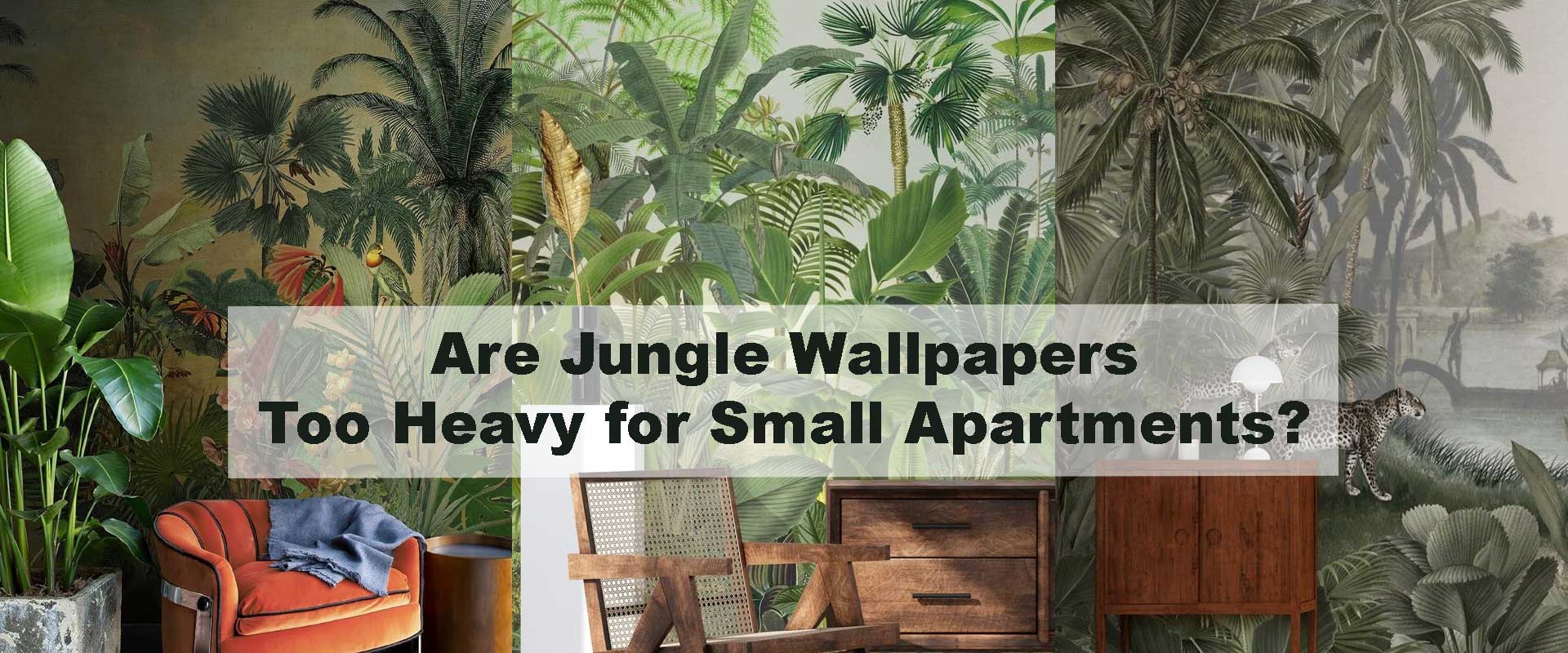
Big-city apartments often struggle with space, light, and personality. That’s exactly why many people wonder: Are jungle wallpapers too heavy for small apartments? The truth is that tropical and jungle designs can actually make compact rooms feel more open, especially when patterns use height, soft gradients, or airy foliage. When styled thoughtfully, these murals draw attention upward, extend visual flow, and add depth without crowding the walls. They also echo principles similar to the insights in How Can Tropical Wallpaper Make Small Rooms Feel Larger?, proving that foliage movement and layered shadow play can help open up compact interiors. This gentle design logic makes jungle wallpapers surprisingly adaptable, particularly when balanced with natural textures and calm furniture tones.
Why Jungle Wallpapers Can Work Beautifully in Small Apartments
The Science of Space Perception in Small Rooms
Small rooms rely heavily on perceived depth to avoid feeling boxed in. Jungle wallpapers use layered leaves, soft gradients, and upward movement to introduce an optical illusion of space. Designs featuring taller foliage mimic vertical climb, similar to the flow found in many pieces within our forest collection, giving apartments a sense of height that offsets low ceilings. By choosing patterns that include misty backgrounds or soft shadow layers, you encourage the eye to travel deeper into the wall rather than stopping abruptly at a flat surface. That simple shift alone can make tight apartments feel lighter and more visually breathable.
Even bold murals with darker tones are not automatically heavy for compact homes. Many moody designs harness shadow contrast to carve out pockets of depth, allowing the room to feel layered instead of flat. When shadows and highlights blend—especially in styles like moody palettes—the wall gains a sculptural quality that supports architectural dimension. This visual texture makes compact rooms more dynamic and helps break the monotony usually found in minimal city apartments. Connecting these concepts back to the natural movement found in Jungle Tropical Wallpapers shows how mastering contrast and flow is more important than simply choosing light or dark tones.
Choosing the Right Jungle Pattern for Limited Space
Soft Botanical Patterns for Airy, Calm Interiors
Homeowners who worry about overwhelming their apartment often find comfort in botanical-inspired options. Designs with gentle shading and thin, flowing leaves reduce visual density while still adding character. These lighter botanical themes pair beautifully with neutral sofas, soft rugs, and clean-lined lighting fixtures. Many residents love how patterns similar to our botanical themes balance subtle detail with openness, ideal for compact spaces that need calm energy. When combined with soft textiles and warm wood, these wallpapers create a serene micro-oasis without shrinking the room visually.
Vertical Jungle Designs That Add Height
Verticality is one of the strongest tools when working with small apartments. Murals that guide the eye upward instantly improve perceived ceiling height, making tight spaces feel taller and more spacious. Styles inspired by towering rainforest growth or canopy-like structures echo the vertical uplift seen in the rainforest styles selection, where lush movement climbs naturally. These patterns are particularly effective behind a sofa, headboard, or hallway because they turn one surface into a rising visual journey. When paired with lean furniture and indirect lighting, the effect becomes both modern and soothing.
Low-Density Jungle Murals for Minimal Homes
Minimalist apartments benefit greatly from light-density jungle wallpapers. These murals usually combine soft leaf clusters, neutral tones, and fine line work, blending seamlessly with contemporary architecture. They help amplify softness in sharp city interiors while avoiding clutter. Many homeowners use them to add warmth behind open shelving or floating storage, where the gentle pattern can peek through without demanding attention. Styles in the texture and foliage category are particularly good at providing subtle movement while maintaining a calm urban aesthetic.
Do Dark Jungle Wallpapers Really Make Small Spaces Look Smaller?
The Myth of Dark Wallpaper Shrinking Rooms
Dark wallpaper is often blamed for making small spaces feel tight, but the truth is more nuanced. When dark tones are combined with layered shadows, misting, and soft gradients, they can actually create an immersive envelope that feels cozy rather than cramped. This mirrors the design logic behind many moody rainforest murals, where depth is created through contrast rather than color lightness. Patterns with dark emeralds, charcoal greens, or deep bronze accents often serve as sophisticated backdrops that push the walls visually outward. This principle relates closely to discussions in Jungle Leaf Murals That Add Depth to Modern Interior Corners, which emphasize depth through composition, not simply brightness.
Strategic Use of Contrast for Small Apartments
Contrast plays a huge role in manipulating spatial perception. Pairing a dark jungle mural with off-white furniture, pale floors, and soft lighting creates balance that feels intentional. Instead of crowding the room, the wall becomes a strong focal point that makes surrounding areas appear lighter and more open. Using mirrors or glass décor nearby can enhance the mural’s depth even further. These thoughtful combinations allow homeowners to enjoy dramatic jungle aesthetics without sacrificing spatial comfort.
When to Avoid Dark Jungle Patterns
Dark jungle designs can be avoided in certain conditions, such as apartments with extremely limited natural light or walls with a heavy structural drop. In such cases, lighter designs with airy composition provide better relief. If the apartment already has multiple dark furnishings, adding another deep visual layer may create unnecessary heaviness. Instead, opt for soft tropical botanicals or patterns found in our fresh green designs, which combine light gradients and airy leaves. These help maintain brightness without reducing character.
Where Jungle Wallpapers Work Best in Small Apartments
Behind the Main Sofa or Sectional
The living room is often where small apartments feel tightest. Using a jungle mural behind the sofa reframes the entire room by establishing a strong vertical or layered focal point. This creates depth, making the wall seem distant rather than flat. Choosing patterns with mist or open-air composition introduces an illusion of breathing room. Furniture placed in front should remain minimal to keep the area feeling open.
Hallways and Transitional Corners
Hallways and small entryways can benefit tremendously from jungle wallpapers. A compact vertical mural adds lift and flow to narrow, underlit corridors. This is especially effective when the design uses soft leaf silhouettes or gentle botanical shading. Patterns inspired by transitional rainforest edges add organic movement to what is normally a rigid, functional zone. Consider this an opportunity to create a welcoming moment in an otherwise overlooked corner.
Bedroom Headboard Wall
The headboard wall is one of the best places for jungle murals in small apartments. These designs help soften the room’s edges and frame the bed with natural calm. A carefully chosen pattern can add depth behind the headboard without interrupting the room’s proportion. Styles featuring soft gradients or taller foliage are ideal. This approach aligns with atmospheric design tips found in the blog Jungle Leaf Murals That Add Depth to Modern Interior Corners.
Styling Tips to Keep Jungle Wallpapers Light and Spacious
Balance Pattern With Negative Space
Negative space is essential in compact interiors. When you apply jungle wallpaper to just one wall and leave the remaining surfaces neutral, the room maintains clear breathing zones. This contrast turns the wallpaper into a statement rather than an overwhelming presence. Lighter curtains, pale rugs, and airy shelving units all help support this balance. The result is a room that feels fresh, modern, and visually uplifted.
Layer With Natural Materials
Rattan, cane, jute, and warm wood tones pair beautifully with jungle motifs. These textures complement the organic energy of foliage-based designs, preventing them from feeling heavy. They add warmth without visual clutter and help bridge the mural with the rest of the interior. Plants, woven baskets, and minimal décor help complete the overall vibe. These materials soften the contrast between bold murals and the structure of the room.
Use Lighting to Highlight Depth
Lighting transforms the presence of jungle wallpapers. Soft pendants, wall sconces, and indirect LED strips add glow and emphasize the mural’s shaded layers. This enhances depth while preventing the wall from appearing overly dark. Warm-toned lighting is generally more flattering for botanical patterns. It creates a natural, atmospheric glow reminiscent of filtered sunlight in tropical forests.
Choosing Colors Wisely for Small Apartments
Light Greens for an Airy Feel
Light green palettes are the safest choice for compact rooms. They mirror natural foliage tones without overwhelming the eye and are closely aligned with the uplifting softness in our fresh green designs selection. These hues bring calm, openness, and subtle energy, ideal for modern apartments. They also pair easily with off-white décor, contemporary rugs, and pale woods. This makes them a versatile and fail-proof option.
Deep Emeralds for Modern Drama
Emerald green adds richness and sophistication to small apartments. When executed with misty or layered shading, it can create powerful depth that expands rather than tightens the room. Many homeowners pair deep green murals with warm metals and natural woods for balance. This creates a chic, urban mood without sacrificing spatial comfort. Such combinations work brilliantly in living rooms and bedrooms.
Neutrals With Tropical Undertones
Neutral jungle wallpapers are perfect for homeowners who want both pattern and calm. These designs use sandy beige, muted taupes, and warm cream backdrops with soft botanical details. They provide structure without adding heaviness and blend effortlessly with most interiors. These patterns are ideal for renters or first-time wallpaper users. They allow natural warmth while maintaining versatility across styles.
Should You Apply Jungle Wallpaper on All Four Walls?
When One Feature Wall Is Enough
Most small apartments benefit from a single feature wall. It creates focus and keeps the remaining space visually open. Applying wallpaper to just one wall also allows you to experiment with bolder patterns without committing to full immersion. This balance works particularly well behind the sofa, headboard, or dining table. It transforms the room without crowding it.
Full-Wrap Jungle Rooms: When They Work
Full-wrap jungle designs can succeed if the pattern density is low and the colors are soft. For example, watercolor-inspired murals with gentle gradients, similar to styles in our watercolor murals range, offer an immersive but airy experience. These murals create a cocoon-like atmosphere that feels cozy yet open. However, furniture must remain light, clean-lined, and minimal. This ensures the room stays balanced.
Avoiding Repetition Issues With Repeating Patterns
Repeating jungle prints can be tricky in small spaces if the pattern is too dense. Look for designs with varied leaf shapes, open spacing, and soft transitions. This stops the room from appearing cluttered or overly busy. If the repeat feels too tight, consider opting for mural-style designs that offer a broader scene rather than small repeated elements. These options are ideal for compact apartments aiming for calm sophistication.
Combining Jungle Wallpapers With Existing Furniture
Matching With Light-Colored Furniture
Light woods, pale linens, and cream finishes create a bright, fresh base for bold jungle murals. This contrast helps maintain spaciousness while showcasing the wallpaper. If your apartment has Scandinavian or minimalist features, these combinations work exceptionally well. The mural acts as the anchor while the furniture provides airiness around it. This interplay creates visual balance in compact rooms.
Styling With Dark or Metallic Accents
Dark woods, brass tones, and matte black fixtures can also complement jungle designs when used sparingly. These accents introduce structure and help frame the mural. They work best with deeper jungle palettes that include emerald, olive, or charcoal tones. A small selection of metallic décor adds sophistication without dominating the space. This is especially effective in modern urban apartments.
Integrating Existing Decor Without Clutter
If your apartment already has colorful or patterned décor, opt for a low-density jungle wallpaper. This allows your furnishings to shine while still benefiting from the depth and texture of foliage. Neutral botanical backdrops are also ideal if you’re integrating multiple décor styles. They provide unity and visual coherence without overwhelming your existing design. This strategy ensures the room feels curated rather than crowded.
What to Avoid When Using Jungle Wallpapers in Small Apartments
Overly Dense Patterns
Dense leaf clusters can overwhelm compact rooms, especially if combined with heavy furniture. Look for designs with open spacing, varied foliage, or misted backgrounds. These choices lighten the visual load and keep the room feeling fresh. Patterns that emphasize vertical movement are especially effective. Avoid overly repetitive motifs that can make the room feel visually noisy.
Mixing Too Many Bold Colors
Too many bold colors can compete with your mural and reduce spatial calm. Stick to one or two accent shades in your furniture or textiles. This maintains harmony and prevents the room from feeling cluttered. Neutral backdrops help highlight the jungle wallpaper. Thoughtful restraint creates a refined, spacious atmosphere even in small apartments.
Ignoring Lighting Conditions
Poor lighting can make even the most beautiful mural feel heavy. Always consider how natural and artificial light will interact with your wallpaper. Soft, warm lighting enhances depth and brings out subtle details. Overly cool lighting can flatten the design and reduce warmth. Proper placement and lighting choices ensure your mural feels like a natural extension of the room.
Conclusion
Jungle wallpapers are not too heavy for small apartments—when chosen thoughtfully, they can actually enhance openness, depth, and character. Patterns with vertical movement, soft gradients, or airy foliage help compact rooms feel more spacious, proving that scale and composition matter more than color boldness. The key lies in balancing jungle motifs with natural textures, clean-lined furniture, and warm lighting to keep the room visually open. Whether you prefer deep emerald drama or fresh botanical calm, there’s a jungle style that works seamlessly in urban homes. By referencing principles highlighted in resources such as How Can Tropical Wallpaper Make Small Rooms Feel Larger?, you can create rooms that feel naturally expansive and beautifully connected to nature. Use this approach to craft a small apartment that feels intentional, modern, and wonderfully alive.