Art Deco Wallpaper for Hallways That Instantly Elevates Entry Spaces
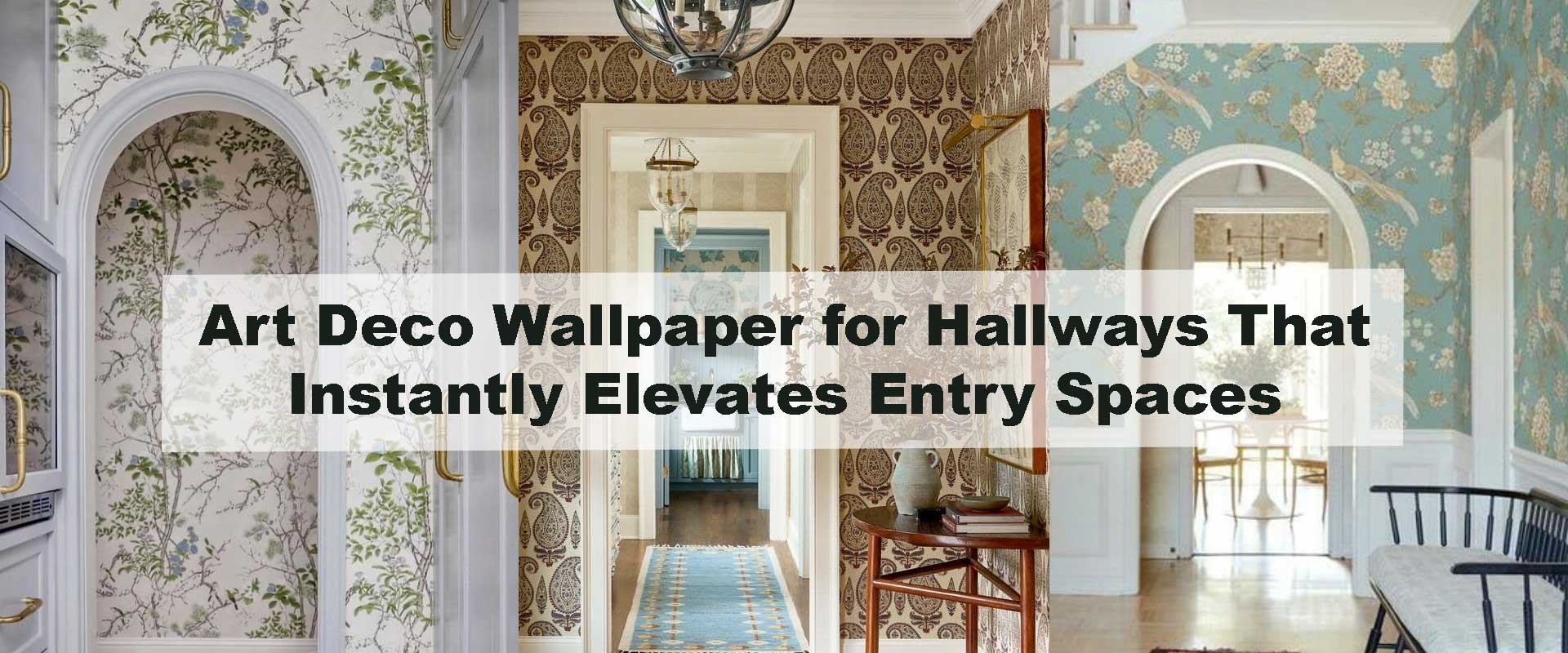
Art Deco wallpaper for hallways brings architectural clarity and refined elegance to entry spaces that are often overlooked. Defined by strong geometry, balanced symmetry, and subtle metallic detailing, this style transforms narrow corridors into intentional design moments that feel structured and composed from the first step inside.
Rather than relying on plain finishes, Art Deco patterns create visual direction and depth, guiding movement through the space while enhancing proportion. When applied thoughtfully, hallway wallpaper becomes more than a surface treatment—it establishes rhythm, reinforces the home’s design language, and elevates the overall arrival experience with lasting sophistication.
Why Hallways Deserve a Strong Design Identity
Hallways are often dismissed as simple passageways, yet they are among the most experienced spaces in a home. Their linear layout and confined proportions make them especially sensitive to design choices, where even subtle surface treatments can dramatically influence how the space feels. Without intention, hallways risk becoming visually empty or disconnected from the rest of the interior.
Art Deco wallpaper introduces structure, rhythm, and architectural presence to these transitional zones. Through symmetry and measured repetition, it gives hallways a sense of order while elevating them beyond pure function. Designers favor this style because it delivers personality without chaos—geometry provides control, metallic accents add refinement, and carefully chosen color palettes ensure the space feels composed rather than overstated. Each step through the hallway becomes part of a deliberate visual journey, not merely a route between rooms.
How Art Deco Wallpaper Changes the Perception of Space
Art Deco wallpaper for hallways excels at reshaping how space is perceived rather than altering its physical dimensions. Vertical lines naturally draw the eye upward, creating the illusion of increased ceiling height, while elongated geometric patterns encourage forward motion. These visual strategies make narrow or compact entryways feel more expansive, balanced, and architecturally resolved.
Unlike small-scale prints or generic textures that fragment attention, Deco-inspired patterns use scale with intention. The eye is guided smoothly across the surface, allowing depth and proportion to emerge without visual tension. This controlled pacing creates calm impact rather than decoration overload, reinforcing why scale and structure remain central to contemporary interiors, as discussed in Why Art Deco Wallpaper Is Returning as the Biggest Luxury Design Trend.
Color Palettes That Elevate Hallway Atmosphere
Neutral Deco for Subtle Luxury
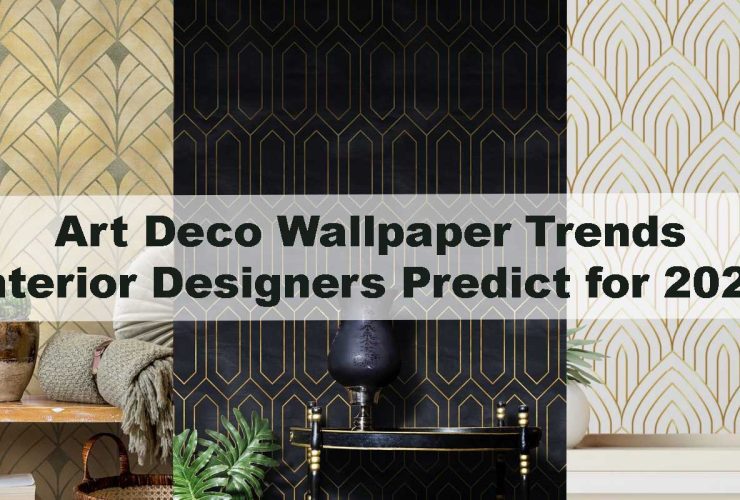
Soft taupes, warm creams, and muted greys allow Art Deco wallpaper to express elegance with restraint. These tones highlight geometry and linework without overwhelming the space, making the design feel composed, timeless, and quietly luxurious rather than overtly decorative. In hallways where first impressions matter, neutral Deco palettes create a sense of calm confidence from the moment one enters.
These refined shades work seamlessly with natural stone flooring, brushed brass details, and streamlined console tables. Together, they form an entry sequence that feels cohesive and intentional, where texture and form take precedence over bold contrast, resulting in a polished yet welcoming atmosphere.
Dark and Dramatic Tones
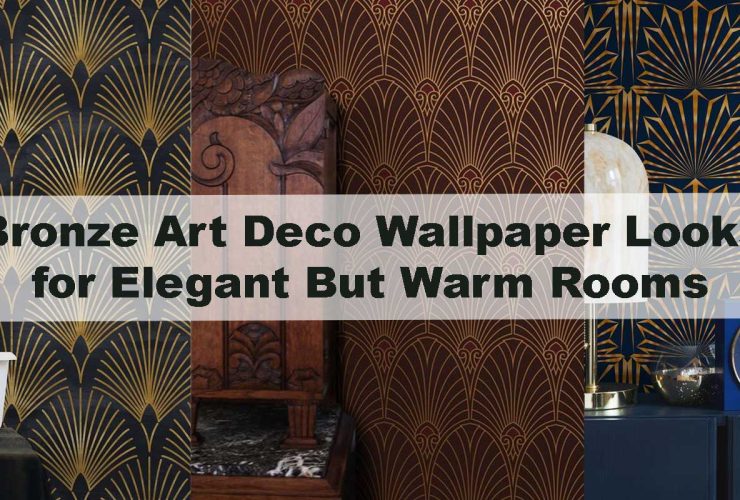
Deep charcoals, inky blues, and rich emerald hues introduce a sense of depth and drama that transforms hallways into immersive design experiences. When paired with metallic linework, these darker palettes capture and reflect light in subtle ways, creating layered visual interest without making the space feel enclosed.
This approach is especially effective in hallways that transition into brighter interiors. The contrast heightens anticipation, allowing the entry space to feel intimate and cinematic before opening into lighter rooms beyond. Rather than shrinking the hallway, dark Art Deco tones anchor it, giving the space a luxurious presence that feels deliberate and architectural.
Material Illusion and Texture in Art Deco Hallway Wallpaper
Art Deco hallway wallpaper frequently draws inspiration from luxurious materials such as marble veining, brushed metals, and layered stone finishes—delivering their visual richness without the physical weight or permanence of real materials. These material illusions introduce depth and sophistication to hallways, spaces that are often dominated by flat planes and limited architectural detail.
Texture plays an equally important role in softening movement-heavy areas. Subtle embossing or layered patterning diffuses light across the surface, reducing glare and creating a more comfortable visual rhythm. For homeowners seeking dimension without excess, designers often turn to Textured Art Deco Wallpaper, which adds tactile interest while maintaining clarity and composure.
Lighting and Art Deco Wallpaper: A Strategic Partnership
Lighting fundamentally shapes how Art Deco wallpaper is experienced within a hallway. Metallic linework and geometric detailing respond dynamically to ambient light, shifting in tone and intensity throughout the day. This interaction prevents the space from feeling static, allowing walls to feel animated and expressive rather than decorative backdrops.
Symmetrical lighting placement—particularly wall sconces—reinforces one of Art Deco’s core principles: balance. Evenly spaced fixtures accentuate pattern repetition and architectural order while drawing attention to refined details. When lighting and wallpaper are planned together, the hallway takes on a layered, gallery-like quality that feels curated and intentional.
Creating a Seamless Flow From Entry to Interior
Hallways serve as visual transitions between rooms, and Art Deco wallpaper helps establish continuity across the interior. By echoing color tones, metallic accents, or geometric motifs found elsewhere in the home, the hallway becomes a connective element rather than a visual pause.
Designers often use Art Deco wallpaper in hallways as a subtle prelude to more expressive statements in living or dining spaces. This progression builds anticipation while maintaining cohesion, guiding movement through the home with a sense of narrative and design purpose rather than abrupt contrast.
Art Deco Wallpaper vs Other Hallway Wall Treatments
| Wall Treatment | Visual Impact | Spatial Enhancement | Longevity |
|---|---|---|---|
| Plain Paint | Minimal | Limited | Moderate |
| Textured Plaster | Subtle | Moderate | High |
| Small Pattern Wallpaper | Busy | Low | Low |
| Art Deco Wallpaper | Architectural | High | High |
Art Deco wallpaper stands apart because it offers both aesthetic impact and spatial enhancement. Its structured patterns age gracefully, making it a long-term design investment rather than a fleeting trend.
Selecting Finishes That Complement Art Deco Hallway Walls
Flooring Pairings
Flooring plays a crucial role in anchoring Art Deco wallpaper within a hallway. Polished stone and terrazzo reflect light gently, amplifying the geometry and metallic detailing found in Deco patterns. Dark wood floors, on the other hand, introduce warmth and contrast, allowing the wallpaper to feel richer and more pronounced without overpowering the space.
These materials echo Art Deco’s historic balance between luxury and structure. Their natural weight grounds the visual energy of patterned walls, ensuring the hallway feels cohesive and refined rather than visually fragmented.
Hardware and Accents
Finishing details provide the final layer of cohesion in an Art Deco hallway. Brass, brushed gold, and matte black hardware align naturally with Deco’s graphic language, reinforcing clean lines and symmetry. Even understated elements—such as door handles, switch plates, or frame trims—can subtly echo the wallpaper’s geometry.
When finishes are chosen intentionally, they act as visual connectors rather than standalone details. This restraint ensures the wallpaper remains the focal point while surrounding elements quietly reinforce its tone and architectural clarity.
When to Use Feature Walls in Hallways
Full wallpaper coverage isn’t always necessary to achieve impact. In shorter hallways or entry alcoves, a single Art Deco feature wall can establish presence while maintaining visual balance. This approach prevents the space from feeling enclosed while still delivering a strong design statement.
Feature walls also offer freedom to explore bolder geometry, darker color palettes, or metallic-heavy patterns that might feel overwhelming across all surfaces. Used selectively, they introduce drama and depth while preserving the hallway’s openness and flow.
Long-Term Appeal of Art Deco Wallpaper in Entry Spaces
Art Deco has remained relevant for nearly a century because it achieves a rare balance between decorative richness and disciplined structure. In hallways, this balance results in designs that feel deliberate and enduring rather than tied to short-lived trends. Geometric patterns maintain architectural clarity, while material-inspired finishes—such as stone effects or metallic detailing—adapt seamlessly as interiors evolve.
This adaptability gives Art Deco hallway wallpaper lasting value. Even as furniture styles, lighting, or color accents change over time, the wallpaper continues to anchor the space with consistency and refinement. Rather than dating an entryway, it provides a stable visual foundation that supports long-term design flexibility.
Styling Hallways With Art Deco Wallpaper
Restraint is essential when styling hallways with Art Deco wallpaper. Simple, well-proportioned elements—such as a narrow console, a sculptural mirror, or a single curated artwork—allow the geometry and pattern to remain the dominant visual feature. Excess accessories can disrupt the wallpaper’s rhythm and soften its architectural impact.
Geometric mirrors are particularly effective, as they reflect both light and pattern, extending depth while reinforcing symmetry. When styling remains minimal and intentional, the hallway feels composed and layered, allowing the wallpaper to define the space with clarity and confidence.
Why Designers Recommend Art Deco Wallpaper for Hallways
Designers consistently recommend Art Deco wallpaper for hallways because it delivers a high level of visual impact within a limited footprint. Hallways offer uninterrupted wall planes, making them ideal for structured patterns that introduce rhythm, symmetry, and architectural definition. Rather than competing with furniture or décor, Art Deco designs use geometry to guide movement and create a composed sense of arrival.
Another key reason lies in versatility. Art Deco wallpaper adapts effortlessly across design styles, bridging classic glamour and modern restraint. As explored in How Art Deco Wallpaper Enhances Modern Minimalist Furniture, Deco patterns integrate seamlessly with contemporary interiors, allowing entry spaces to gain character and depth without disrupting clean, minimalist compositions.
Exploring Art Deco Styles for Hallway Applications
Different Art Deco styles allow hallways to express personality while maintaining cohesion. For those seeking visual depth and layered interest, 3D Effect Art Deco Wallpaper introduces sculptural geometry that creates movement along the corridor. These designs add dimension without clutter, making them particularly effective in long or linear spaces.
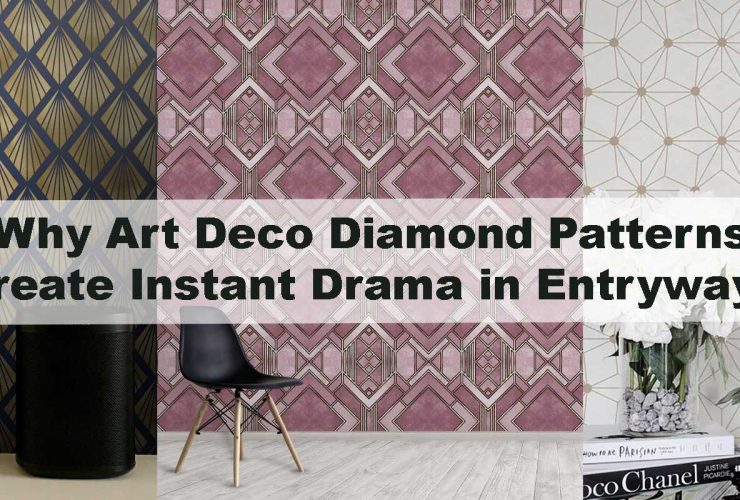
For a more graphic and architectural statement, Geometric Art Deco Wallpaper emphasizes symmetry and repetition. These patterns establish strong visual order, giving hallways a confident presence that feels intentional rather than decorative. Each variation supports a distinct atmosphere, allowing entry spaces to reflect personal style while preserving the refined elegance that defines Art Deco design.
Conclusion
Art Deco wallpaper for hallways does far more than decorate—it defines the arrival experience. Through structured geometry, refined color palettes, and material-inspired textures, it elevates entry spaces into purposeful design statements. Hallways gain depth, rhythm, and identity, transforming everyday movement into a curated journey.
By choosing patterns that complement proportion, lighting, and adjacent spaces, homeowners can achieve lasting impact without overwhelming the interior. For those looking to turn first impressions into lasting ones, Art Deco wallpaper remains one of the most effective and timeless solutions for hallway design.
Frequently Asked Questions
Is Art Deco wallpaper suitable for narrow hallways?
Yes, Art Deco wallpaper works exceptionally well in narrow hallways when the pattern scale and direction are chosen thoughtfully. Vertical lines, elongated geometry, and stepped motifs visually stretch the space, making corridors feel taller and more open rather than confined.
Will bold Art Deco patterns make a hallway feel smaller?
Not when used correctly. Large-scale Art Deco designs reduce visual clutter by limiting repetition, which often makes hallways feel calmer and more spacious than small, busy patterns. The key is balanced contrast and controlled geometry.
What colors work best for Art Deco hallway wallpaper?
Neutral tones like warm beige, taupe, soft grey, and champagne gold create subtle luxury, while darker shades such as navy, charcoal, and emerald add drama and depth. The best choice depends on lighting levels and the mood you want to create at the entry.
Can Art Deco wallpaper be used on all hallway walls?
It can, especially in long or well-lit hallways where pattern flow enhances movement. In shorter or compact spaces, many designers prefer using Art Deco wallpaper on one feature wall to create impact without overwhelming the area.
How do I style a hallway with Art Deco wallpaper?
Keep styling minimal to let the wallpaper lead. Slim consoles, sculptural mirrors, simple artwork, and refined lighting complement the geometric patterns without competing for attention, preserving the hallway’s architectural elegance.
Does Art Deco wallpaper suit modern homes?
Absolutely. Art Deco wallpaper pairs beautifully with modern interiors because of its clean lines and structured symmetry. It adds characte