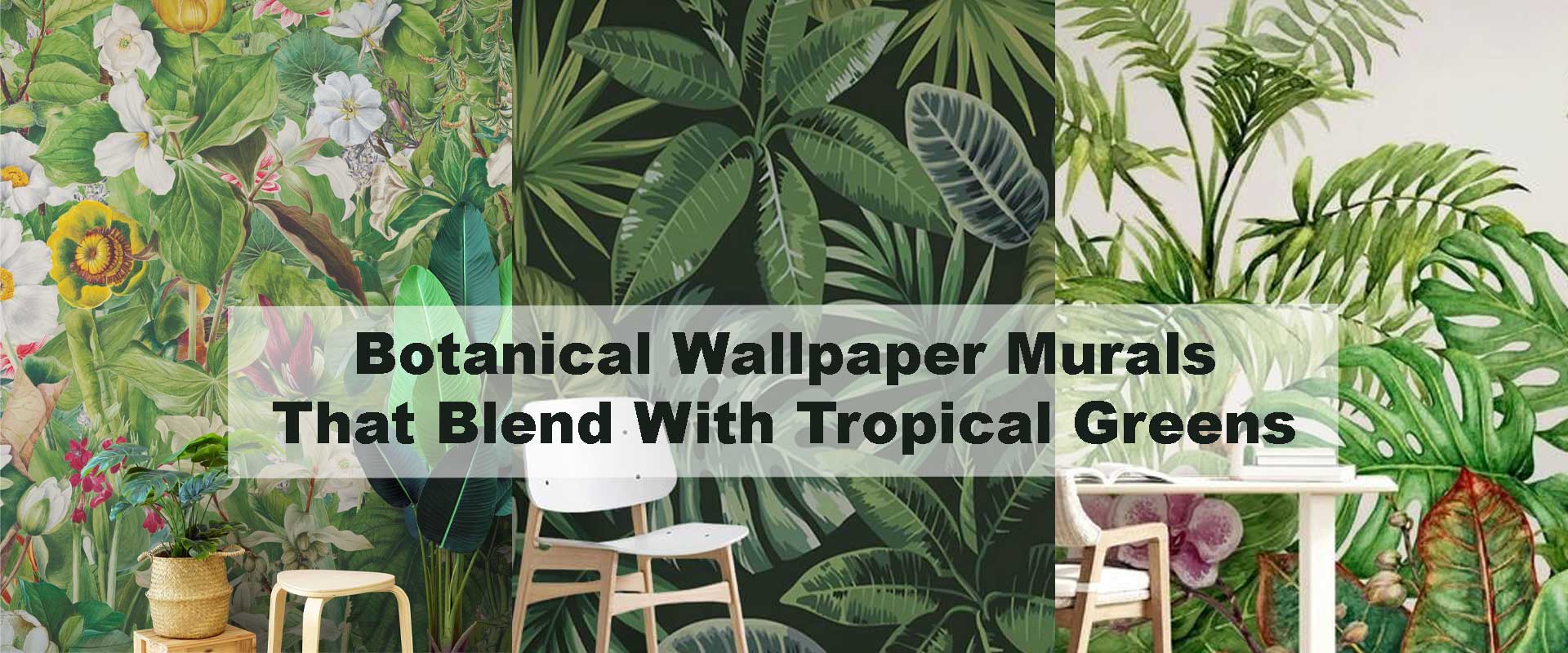
Botanical Wallpaper Murals That Blend With Tropical Greens
Soft, detailed foliage patterns have become a central part of modern interiors because they bring quiet elegance without overwhelming a room. Botanical wallpaper murals that blend with tropical greens offer a balance of tone, texture, and natural rhythm that enhances any space. This approach creates visual calm while still maintaining the richness of nature-inspired design. Many homeowners prefer these designs because they create openness similar to the principles discussed in How Can Tropical Wallpaper Make Small Rooms Feel Larger?, where gentle spacing and layered greenery add clarity and depth.
These murals also complement a wide range of materials—linen, oak, cane, rattan, clay, and woven textures all pair beautifully with botanical shapes. When combined with the gentle depth found in Jungle Tropical Wallpapers, the result is a room that feels connected to nature without appearing cluttered or dense. Instead of forcing color or contrast, botanical murals with tropical greens encourage a soft interplay of light, shadow, and natural structure.
The beauty of this category lies in its balance. Tropical greens add life, while botanical patterns bring order. When these characteristics merge, rooms gain flow, stability, and tone without losing freshness. Whether the goal is to craft a calming bedroom or brighten an airy living room, this design direction shapes interiors with subtlety and purpose.
Why Botanical Wallpaper and Tropical Greens Work Together
Nature’s Built-In Harmony
Botanical motifs and tropical greens originate from the same visual language—organic curves, layered foliage, and repeating structures found in natural environments. This shared foundation makes their pairing effortless. When both are combined in a mural, the design creates a story of growth, movement, and quiet depth. The effect is calming, moving the eye gently across the wall without abrupt contrast.
Designers appreciate this style because it bridges multiple atmospheres. It can feel coastal with sandy beige tones, bright with soft green gradients, or earthy with muted olive detailing. These murals connect especially well with rooms styled with soft timber finishes or natural lighting. The organic flow helps ground the space, making it feel complete yet airy.
The design depth is often enhanced by leaf orientation. Taller botanical leaves introduce vertical lines that add height. Broader tropical greens stretch outward to create width. Together, these patterns create harmony—an effect that mirrors many interiors shaped with the gentle flow found in the forest collection.
Color Balance That Supports Room Atmosphere
Color temperature plays a large role in how these murals influence the mood of a room. Warm greens such as sage, fern, and olive create comfort. Cool greens—teal, emerald, softened eucalyptus—introduce freshness and clarity. When murals combine both palettes, the result is dynamic yet subtle, perfect for spaces that aim for relaxed sophistication.
The layering of light botanical strokes over deeper tropical backgrounds adds gradient depth. This effect creates an impression of movement, as though shadows and soft breezes flow across the walls. Homes using warm textiles or natural woven furnishings experience an even stronger connection between décor and mural.
Where Botanical Wallpaper Murals Work Best
Living Rooms That Need Calm Structure
Living rooms often serve as the central gathering space, making visual balance essential. Botanical murals blended with tropical greens offer structure without heaviness—an ideal foundation for rooms that feature wooden furniture, curved sofas, or light-toned textiles. A mural with upward botanical flow can make a living room feel taller, while soft tropical greens help the space feel grounded.
These designs also pair strongly with open layouts. When used behind a sofa or entertainment console, the mural introduces subtle rhythm without dominating the view. Many homeowners appreciate how these murals echo the earthy softness found in the botanical themes collection, creating cohesion between walls and décor.
Bedrooms Seeking Gentle Morning Energy
Bedrooms respond beautifully to botanical compositions because these designs naturally exude calm. When tropical greens are added, the room gains a touch of freshness without disrupting the softness. A mural with gentle gradients behind the bed can mimic the feel of morning light passing through leaves, creating a calm awakening experience.
Textured bedding, cotton throws, or muted natural fabrics work exceptionally well with this category. Botanical shapes help soften edges and corners in the room, and tropical greens bring the subtle vitality needed for an uplifting yet restful atmosphere.
Dining Rooms That Benefit From Organic Depth
Dining rooms need personality, but they must maintain a sense of comfort. Botanical murals with tropical greens offer both through soft layers and natural tones. When placed behind a wooden dining table or warm pendant lighting, the mural creates an inviting setting for meals and gatherings.
This category also excels in dining rooms where you want gentle structure instead of bold contrast. Natural green tones enhance ambient lighting, and botanical shapes introduce order without feeling rigid.
How to Select the Right Botanical Wallpaper Mural
Assess the Room’s Natural Light
Rooms with strong natural light can handle murals with deeper tropical greens because the light expands the space and highlights the leaf layers. Rooms with softer lighting benefit more from murals with airy botanical elements and mid-tone greens. This helps maintain brightness without sacrificing depth.
Indirect warm lighting further enhances these murals, casting gentle shadows that work beautifully with layered foliage. Cool lighting can flatten the richness of tropical greens, so homeowners should consider lighting shifts throughout the day.
Match the Mural With Interior Texture
The textures of surrounding décor influence how the mural is perceived. For example:
- Linen and cotton enhance soft botanical strokes
- Rattan, bamboo, or cane strengthen the natural connection
- Stone, ceramics, and matte finishes highlight the grounded earthiness of tropical greens
This is why designers often pair these murals with minimalistic furniture—so the natural shapes remain the focus instead of competing with overly complex décor.
Understand Pattern Density
Pattern density determines how the mural affects spatial perception. Botanical murals with tropical greens typically come in:
- Light density for open, airy rooms
- Medium density for balanced flow in everyday spaces
- Layered density for deeper, more immersive environments
Light-density murals enhance vertical flow and brightness, while medium-density murals offer stability and frame the room with natural softness.
A Helpful Comparison Overview
| Feature | Botanical Murals With Tropical Greens | Tropical Leaf Wallpapers | Dense Jungle Murals |
|---|---|---|---|
| Mood | Calm, structured, nature-inspired | Fresh, bold, energizing | Dramatic, immersive |
| Density | Light to medium | Medium | High |
| Best Rooms | Bedrooms, living rooms | Hallways, living spaces | Large feature walls |
| Visual Flow | Gentle and open | Directional | Layered and deep |
| Styling Ease | Very high | High | Moderate |
Botanical murals with tropical greens stand at the center of natural elegance. They bring clarity without loud contrast, making them suitable for homes seeking tranquility and warmth.
Styling Ideas for Botanical Murals With Tropical Greens
When styling rooms with botanical murals shaped through tropical greens, the goal is to reinforce the natural rhythm already present on the walls. Each material, color, and finish contributes to how the mural interacts with the space. Enhancing these choices transforms the room from simply decorated to thoughtfully composed. Below is an elevated, more immersive version of each styling idea.
Keep the Palette Soft and Grounded
Soft palettes support the calm atmosphere created by botanical murals. Shades such as muted clay, pale sand, soft mushroom, warm ivory, and gentle taupe act as connectors between the greenery and the room’s furnishings. These tones never compete with the foliage but extend its warmth through the space. When sunlight touches these softer hues, the mural’s greens appear richer, making the entire room feel balanced and open. This approach works especially well in living rooms and bedrooms where light shifts throughout the day.
Introduce Warm Metallic Details With Purpose
Warm metallics reinforce depth without overpowering the botanical tones. Gold, brass, and antique bronze work best because they echo the golden undertones often present in layered foliage. A single metallic detail—such as a lamp base, mirror edge, or sculptural decor piece—can subtly draw attention to the mural’s gradients. When these metals catch ambient light, they lift the surrounding greens and encourage a sense of quiet luxury. The key is moderation: metallics should highlight, not overshadow, the natural character of the mural.
Use Wood to Strengthen the Organic Connection
Wood anchors the space and brings the mural’s nature-inspired mood into the physical environment.
Each wood type brings a unique personality:
- Light oak adds freshness, expanding the sense of space and enhancing airy botanical patterns.
- Walnut introduces warmth and grounding, creating a cozy counterbalance to cool-toned greens.
- Bamboo offers a gentle, relaxed feel that pairs well with murals featuring soft strokes or watercolor foliage.
Using wood through furniture, floating shelves, or console tables brings tactile warmth that visually merges with the mural’s organic lines. Even subtle wooden accents—frame edges, side tables, or wooden bowls—reinforce this connection.
Layer Natural Fibers for Depth and Soft Texture
Natural fibers amplify the grounded feel of botanical murals, creating a soft transition between wall and décor. Jute rugs bring earthy texture underfoot and contrast beautifully with the mural’s smooth gradients. Linen curtains allow light to pass through gently, creating subtle shadows across the foliage. Grasscloth shades add vertical texture that mirrors botanical movement, while woven baskets introduce structural softness that ties the room together. These materials help the space feel more layered, tactile, and connected to nature.
Conclusion
Botanical wallpaper murals blended with tropical greens are an exceptional choice for homes wanting to create quiet, grounded, and visually layered interiors. These murals offer both structure and softness, giving living rooms, bedrooms, and dining areas a setting that feels connected to nature without overwhelming the senses. Through balanced color, gentle shapes, and thoughtful pattern density, they elevate a room’s atmosphere with ease. With the right textures and lighting, these designs become a calm visual anchor that remains timeless across seasons.