Botanical Wallpaper That Adds Subtle Tropical Edge
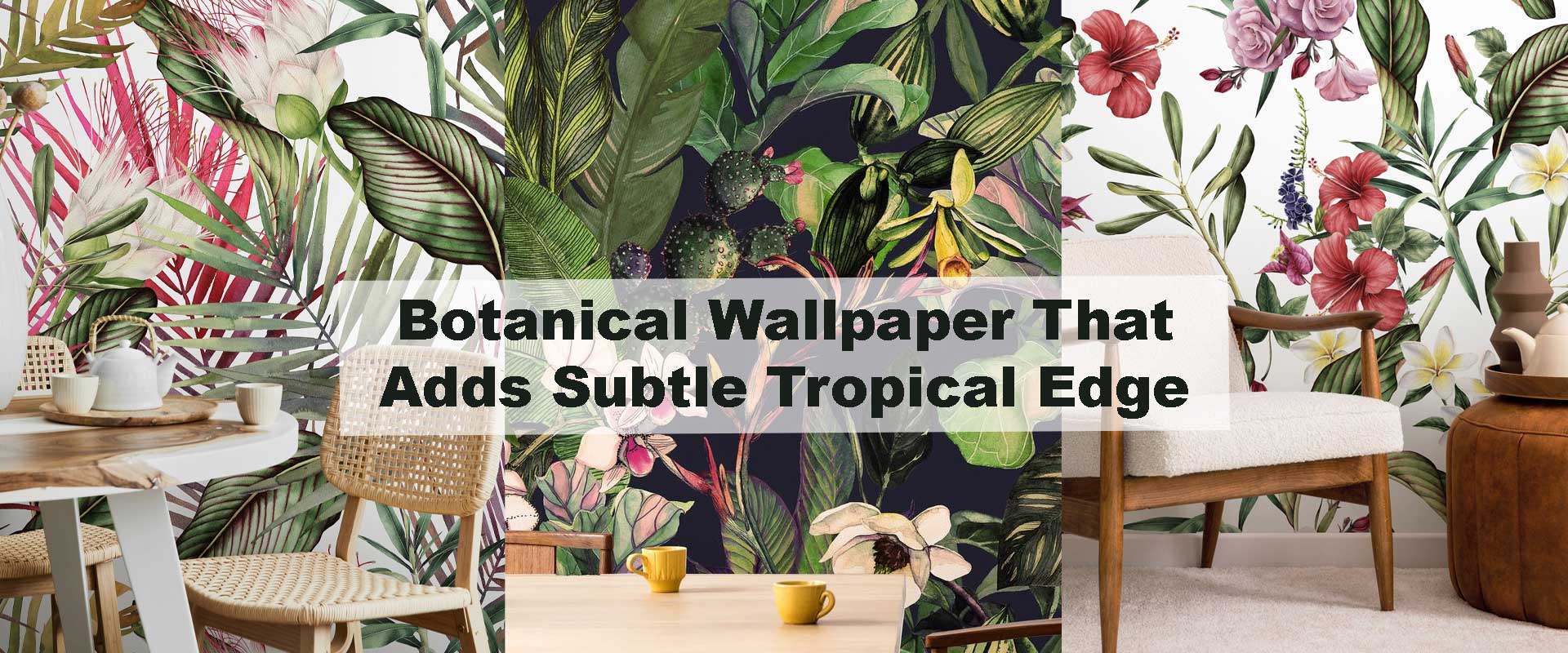
Botanical wallpaper that adds a subtle tropical edge brings a refined sense of nature into interiors without overwhelming the space. Instead of bold jungle drama, this approach relies on softened foliage, layered greens, and gentle movement that feels calm and contemporary. The tropical influence is present, but it’s filtered through modern restraint, allowing walls to feel expressive yet composed. This balance is exactly why these designs continue to gain popularity across modern homes.
What makes this style especially appealing is its ability to adapt. Whether paired with minimal furniture or warmer natural textures, subtle tropical botanicals support the room rather than dominating it. The result is an atmosphere that feels relaxed, grounded, and visually thoughtful.
Understanding the Subtle Tropical Aesthetic
A subtle tropical botanical aesthetic is built on quiet complexity rather than visual drama. Leaf forms are intentionally softened, stylized, or gently abstracted, allowing them to function more like layered texture than literal illustration. Tone-on-tone palettes reduce contrast, encouraging the eye to move slowly across the surface and creating interest without visual noise or interruption. The effect is atmospheric and refined, offering depth that feels woven into the wall rather than placed on top of it.
Tropical references such as palm, banana, or monstera leaves remain present but carefully restrained. Their silhouettes are controlled, edges diffused, and repetition balanced to avoid overt theming. When handled this way, these motifs integrate effortlessly with contemporary architecture, clean-lined furniture, and neutral finishes, supporting the space instead of defining it.
Why Subtle Botanicals Feel So Natural in Modern Spaces
Modern interiors often prioritize openness, balance, and emotional calm, making subtle botanical wallpaper a natural fit. Organic foliage introduces movement and softness, gently countering hard materials like concrete, metal, and glass without disrupting spatial clarity. The result is an environment that feels warmer and more lived-in while maintaining a composed, modern sensibility.
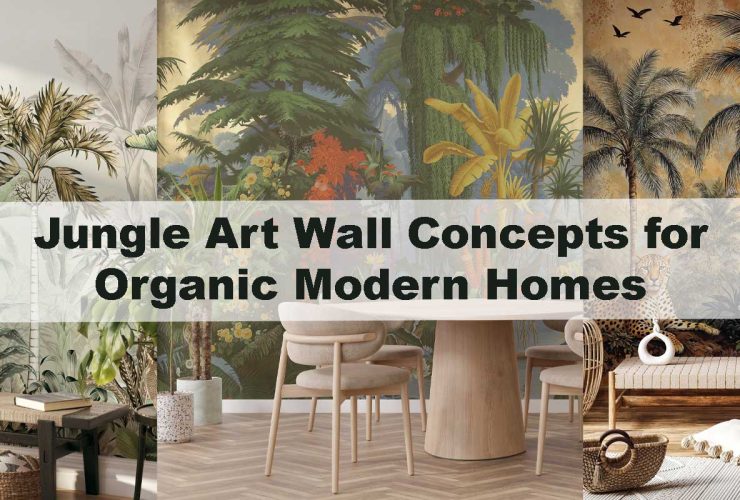
This restrained use of nature aligns with the design thinking discussed in Why Choose Jungle Wallpaper Over Traditional Patterned Prints, where organic forms are shown to feel more intuitive and emotionally grounding than rigid, repetitive patterns. Rather than competing with architectural lines, subtle botanicals work alongside them—enhancing proportion, easing transitions between surfaces, and reinforcing a sense of visual flow throughout the space.
Color Palettes That Keep Tropical Designs Refined
Muted greens sit at the heart of refined tropical design, drawing inspiration from sage, olive, eucalyptus, and moss rather than high-saturation jungle hues. These softened greens feel inherently calming and timeless, allowing the wallpaper to evolve effortlessly as furniture, textiles, and accessories change over time. When paired with warm beige, soft taupe, or pale grey backgrounds, the tropical influence becomes balanced and understated, never overpowering the room.
Many designs enhance this restraint through delicate shadowing and layered tonal shifts. As natural and artificial light move across the surface, subtle depth emerges, giving walls a living quality that changes throughout the day. This quiet variation keeps interiors visually engaging while preserving a sense of composure and ease.
Pattern Scale and Visual Rhythm
Scale determines whether tropical botanicals feel atmospheric or assertive. Smaller, repeating leaf motifs often behave like a woven texture, making them ideal for wrapping entire rooms without visual fatigue. Their repetition creates consistency, allowing the eye to rest while still sensing organic movement.
Larger botanical forms can remain equally refined when spacing is generous and color contrast is softened. In these cases, rhythm matters more than size. When foliage flows seamlessly across the wall, the design feels immersive and natural rather than ornamental. This continuity helps interiors feel cohesive, intentional, and quietly confident.
Where Subtle Tropical Botanical Wallpaper Works Best
In shared living areas, this wallpaper style acts as a supportive backdrop rather than a focal interruption. Soft botanical walls ground seating arrangements and natural furniture finishes, encouraging relaxed conversation and visual harmony without distraction. The space feels warm and welcoming, yet visually controlled.
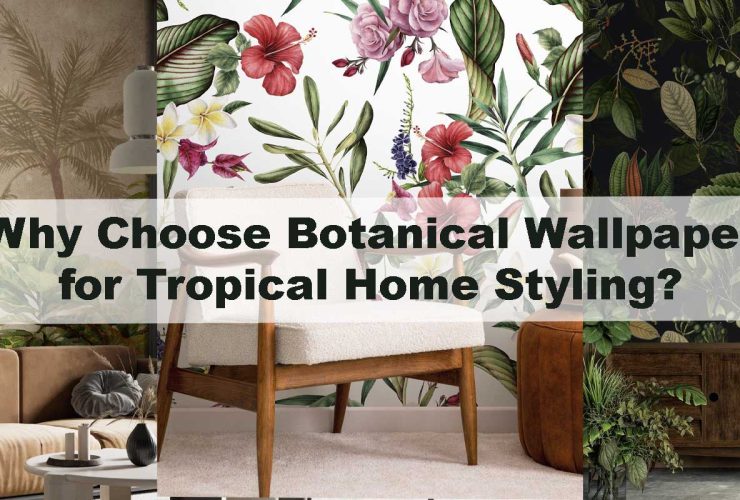
Rest-focused rooms respond particularly well to this approach. Gentle leaf movement and muted tones promote emotional calm, reflecting the same restorative qualities discussed in Soft Tropical Wallpaper Ideas for Relaxing Bedroom Makeovers, where botanical surfaces are shown to enhance comfort without overstimulation. Even transitional zones—such as hallways, landings, or reading corners—benefit from this subtle greenery, gaining depth and character while remaining seamlessly connected to the rest of the home.
Furniture and Material Pairings That Enhance the Look
Natural materials don’t just complement subtle tropical wallpaper—they complete it. Light oak and walnut introduce warmth and grain that echo the organic movement of foliage, while linen upholstery and woven textiles soften the overall composition. Stone, clay, and textured ceramics add quiet weight, grounding the space without interrupting its calm flow. Matte and low-sheen finishes are especially effective, as they absorb light gently and allow the wallpaper’s layered tones to remain the visual focus.
To prevent the look from feeling too soft or undefined, carefully chosen contrasts are essential. Slim black metal frames, aged bronze, or brushed brass accents introduce structure and rhythm, giving the room a sense of intention. These sharper elements act as visual anchors, balancing the organic patterns on the walls and ensuring the space feels curated rather than casual.
Lighting and the Way It Shapes Botanical Walls
Lighting plays a decisive role in how subtle botanical wallpaper is perceived. Warm ambient lighting enhances depth by revealing tonal variations within the leaves, making the pattern feel almost dimensional as shadows shift throughout the day. Indirect lighting—such as wall washers or concealed uplights—can gently trace the wallpaper’s texture, adding atmosphere without drawing attention away from the overall design.
In contrast, overly cool or intense lighting tends to flatten these nuanced patterns, stripping away their softness and visual layering. When light temperatures stay within warm to neutral ranges, the tropical influence feels effortless and natural. The walls glow rather than glare, reinforcing a relaxed, inviting mood that supports both daytime clarity and evening comfort.
Subtle Tropical Botanicals vs Bold Jungle Statements
| Design Aspect | Subtle Tropical Botanicals | Bold Jungle Designs |
|---|---|---|
| Visual presence | Calm and layered | Dramatic and dominant |
| Wall coverage | Works across multiple walls | Best as a single focal surface |
| Color intensity | Muted, tonal greens | Deep greens and high contrast |
| Longevity | Timeless and adaptable | Trend-driven and expressive |
This contrast explains why many homeowners gravitate toward softer botanical expressions when aiming for lasting appeal rather than short-term impact.
Adding Depth Without Visual Heaviness
One of the most compelling strengths of subtle tropical wallpaper is how it builds visual depth without compressing the room. Soft tonal layering, overlapping leaf silhouettes, and gentle contrast encourage the eye to travel across the surface rather than stop abruptly. This movement creates the illusion of expanded space, making walls feel atmospheric instead of enclosing.
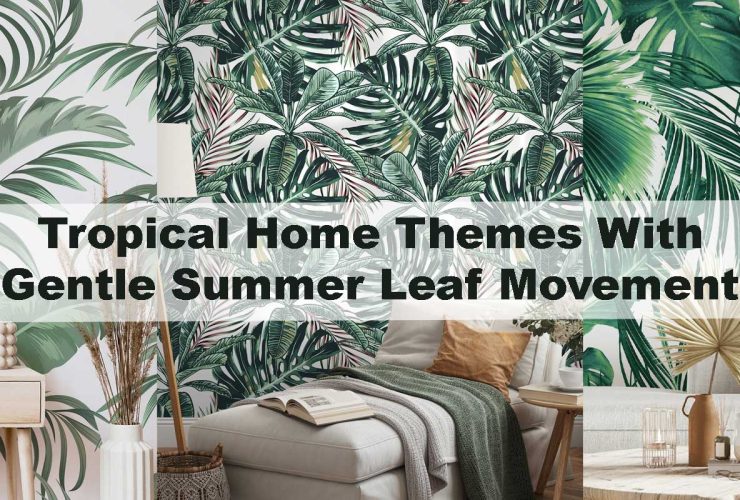
This visual behavior mirrors the spatial principles highlighted in How Can Tropical Wallpaper Make Small Rooms Feel Larger?, where controlled botanical patterns guide perception outward rather than inward. Instead of acting as a boundary, the wallpaper becomes a backdrop that adds richness, dimension, and calm while maintaining openness and flow.
Styling with Plants: Less Is More
While botanical wallpaper naturally evokes greenery, it works best when real plants are used sparingly. Overloading the space with foliage can blur visual hierarchy and compete with the layered patterns already present on the walls. A small number of sculptural plants—chosen for form rather than volume—reinforce the theme without overpowering it.
Allowing the wallpaper to lead the visual narrative creates a more intentional and curated atmosphere. This restraint ensures the tropical influence feels refined and balanced, letting the space breathe while still maintaining a strong connection to nature.
Evolving with Changing Design Trends
Subtle tropical botanicals continue to feel relevant because they’re grounded in nature’s own rhythms rather than short-lived visual trends. As interiors increasingly favor biophilic principles and emotional ease, these wallpapers respond naturally—softening spaces while preserving clarity and balance. Their strength lies in flexibility: muted greens, gentle contrasts, and organic repetition adapt seamlessly as furniture styles shift or materials change. This allows rooms to refresh over time through simple updates, without the need to replace the walls themselves.
Because the motifs are understated, they age gracefully. What feels calm and modern today continues to feel considered years later, supporting evolving tastes rather than locking a space into a specific moment.
Finding the Right Style Within Curated Ranges
Refined interpretations of this aesthetic sit comfortably within Jungle Tropical Wallpapers, where natural inspiration is expressed through restraint and balance instead of visual intensity. Designs within botanical themes focus on layered leaves and flowing compositions that read as texture from a distance, while fresh green designs introduce lighter tonal ranges that keep interiors feeling open and contemporary.
When a space benefits from added depth without losing subtlety, moody palettes provide richer greens and shadowed tones that remain controlled and elegant. Together, these variations make it easy to tailor the tropical influence to the mood of the room while maintaining a cohesive, refined atmosphere.
Frequently Asked Questions
Does subtle tropical botanical wallpaper suit modern interiors?
Yes. Its restrained patterns and muted colors align naturally with modern layouts, clean lines, and minimal furnishings.
Can this style be used on all four walls?
Absolutely. Because the patterns are softened and tonal, they work well across entire rooms without feeling overwhelming.
Will tropical botanicals clash with neutral décor?
Not at all. Subtle tropical designs are often built on neutral foundations, making them easy to pair with beige, grey, or earthy palettes.
Is this wallpaper style suitable for compact spaces?
Yes. When patterns are layered and low-contrast, they can enhance depth and make smaller spaces feel more open.
How do I keep the look from feeling themed?
Choose designs with abstracted or stylized leaves, limit decorative accessories, and focus on natural materials to maintain balance.
Final Thoughts
Botanical wallpaper that adds a subtle tropical edge offers a refined way to reconnect interiors with nature. Through softened foliage, controlled color palettes, and organic movement, it enriches walls without overpowering them. This approach proves that tropical influence doesn’t need to be bold to feel impactful—it simply needs to feel natural, balanced, and thoughtfully integrated.
For those seeking interiors that feel calm yet expressive, subtle tropical botanicals provide a timeless foundation that grows gracefully with changing tastes and spaces.