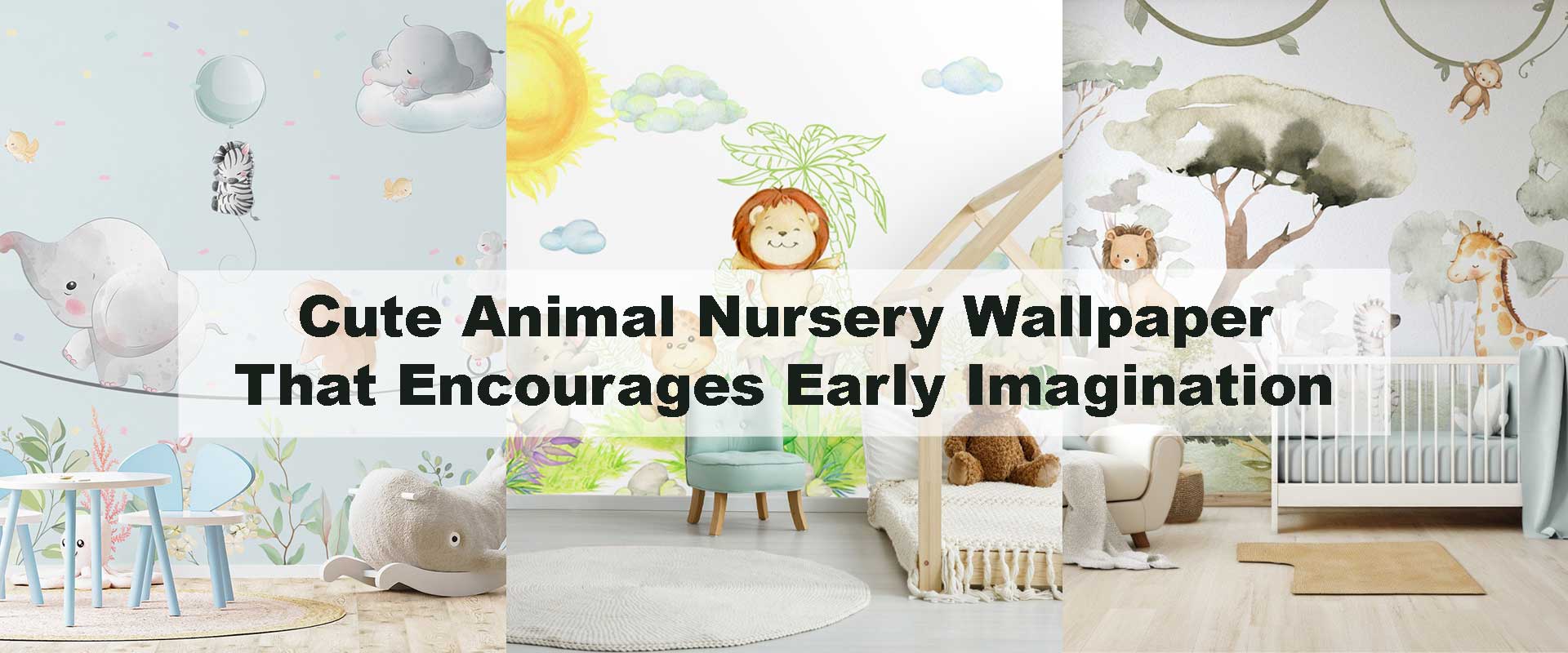
Cute Animal Nursery Wallpaper That Encourages Early Imagination
Creating a nursery that nurtures curiosity from infancy begins with the environment your child sees every day, and cute animal nursery wallpaper plays a much larger role than simply decorating the walls. The right visuals stimulate early imagination by offering gentle storytelling cues, calming scenes, and recognizable shapes that help babies make sense of the world. When thoughtfully chosen, these designs transform the room into a space where soothing comfort blends with cognitive development—one reason many parents turn to styles featured in Nursery Wallpaper collections to create baby-friendly atmospheres anchored in creativity.
The Power of Cute Animal Nursery Wallpaper in Early Development
Why Animals Spark Imaginative Thinking
Animal characters have been a foundation of children’s storytelling for generations, and their expressive shapes help infants and toddlers learn emotional connection, pattern recognition, and symbolic thinking. Soft watercolor bears, bunnies, foxes, and forest friends naturally introduce forms and expressions babies find reassuring. As little ones begin linking visual characters with sounds and stories, they start developing early imagination skills—even before they begin speaking.
Parents often notice that baby rooms styled with gentle animal scenes provide more visual comfort during bedtime routines. Themes like Woodland Nursery Wallpaper support this beautifully by incorporating natural elements, warm hues, and layered illustrations that create a subtle sense of storytelling across the wall. The lively yet soothing balance helps foster early emotional grounding, which is frequently highlighted in insights shared through Best Nursery Wall Murals for Gentle Bedtime Routines—a perspective that reinforces how soft imagery builds bedtime familiarity.
How Cute Animal Scenes Encourage Interaction
Young children interact with their environment through visual cues. When animal wallpaper introduces characters in playful scenarios—like birds perched on branches or baby elephants following their mothers—it encourages infants to track shapes and movements with their eyes. This natural engagement strengthens cognitive mapping and spatial awareness.
As they grow, toddlers begin pointing at familiar animals, mimicking their sounds, and inventing imaginative scenes around them. This is where cute animal wallpaper becomes more than a decorative piece—it functions as an early learning tool. Designs from Animal Nursery Wallpaper collections help children connect words, expressions, and sounds with visuals, enriching their communication skills.
Choosing the Right Cute Animal Nursery Wallpaper for Imagination Building
Soft vs. Vibrant Palettes: Which Is Better?
Color choice influences imagination and mood, which is why many parents gravitate toward soothing palettes like pastels or neutrals. Pastel tones soften visual stimulation and create a serene environment ideal for newborns. For families who prefer bolder color stories, vibrant animal themes can energize the space and support play-based development during toddlerhood.
Designers often recommend combining warm neutrals with soft animal illustrations to build a calming yet expressive setting. A balanced palette introduces visual interest without overwhelming the senses, echoing ideas often aligned with themes like Neutral Nursery Wallpaper.
Pattern Scale and Its Effect on Engagement
Large-scale animal motifs create a focal point for the room, becoming an instant storytelling canvas. This works well for accent walls behind cribs or reading nooks. Meanwhile, small-scale repeating animal patterns offer subtle enrichment and blend seamlessly with minimal décor.
A helpful reference point is how panoramic murals influence visual depth, discussed in Interior designers are leaning toward panoramic nature murals to build visual depth this year—a viewpoint that applies equally to nursery walls when choosing between statement illustrations and soft micro-patterns.
Top Cute Animal Nursery Wallpaper Themes That Spark Imagination
1. Woodland Creatures
Woodland themes introduce babies to gentle forest life through foxes, deer, owls, and hares illustrated in soft, leafy landscapes. These scenes echo the calm rhythm of nature, helping little ones feel grounded and secure while encouraging slow visual exploration. The layered foliage and warm earth tones allow infants to discover new shapes over time, supporting early curiosity each time they glance around the room. Woodland wallpapers also offer effortless styling harmony, pairing beautifully with wooden cribs, linen textures, and earthy décor that create an inviting, timeless nursery environment.
2. Safari Friends
Safari wallpapers bring a warm sense of adventure with friendly lions, graceful giraffes, gentle elephants, and playful zebras set across sunlit backdrops. Their expressive silhouettes spark imaginative thinking by showing animals in motion—walking, stretching, or interacting—giving toddlers subtle storytelling cues. This theme adds lively energy without overwhelming the space, making it ideal for families who want a hint of excitement while maintaining a soothing atmosphere. Parents often find these safari scenes perfect during playtime narration, helping babies connect emotions, sounds, and early movements with the characters they see daily.
3. Underwater Characters
Underwater animal themes create a serene, dreamy environment through whales, turtles, dolphins, and soft shoals of fish drifting through pastel aquatic scenes. The gentle wave-like patterns and floating bubbles form a rhythmic visual flow that calms newborns, making this theme especially comforting for bedtime routines. Babies instinctively follow smooth, curved lines with their eyes, strengthening focus and early visual tracking. Underwater wallpapers transform the nursery into a peaceful retreat where imagination develops through movement, quiet color transitions, and soothing marine companionship.
4. Farmyard Animals
Farm animals remain a beloved choice because they introduce simple shapes and easily recognizable characters. Cows, chicks, sheep, and horses appear in friendly poses that help toddlers link visuals to early words and sounds, strengthening language formation. These everyday animals also encourage storytelling tied to routines—morning, play, meals—which babies slowly begin to understand through repetition. Farm themes feel cheerful and approachable, making them perfect for nurseries that blend warmth, familiarity, and early developmental support.
5. Fantasy Animals
Fantasy-themed wallpapers spark limitless creativity with softly illustrated dragons, unicorns, winged creatures, and magical companions that feel whimsical rather than intense. Their imaginative forms introduce new shapes and story cues children don’t encounter in everyday life, encouraging open-ended creativity from the earliest months. Because these scenes use gentle colors and flowing lines, they stimulate curiosity without overstimulation. parents often choose fantasy designs for nurseries where they want a dreamy, enchanting environment that grows beautifully as the child’s imagination expands.
Creating a Nursery Layout That Enhances Imagination
Anchor Wall Placement
The placement of wallpaper shapes how babies interact with the nursery. Accent walls positioned behind the crib or next to the nursing chair help define the room’s emotional core—spaces where soothing, bonding, and early learning naturally happen. When wallpaper becomes part of these daily rituals, babies associate comfort with the characters they see repeatedly. This consistent exposure builds familiarity, which is essential for imagination development and emotional reassurance during early growth stages.
Pairing Wallpaper With the Right Décor
Balancing beautiful wallpaper with complementary décor ensures the space remains calm and visually meaningful.
- Wooden or white-painted cribs maintain softness and allow charming animal illustrations to remain the focal point.
- Plush toys that echo the wallpaper’s characters reinforce visual storylines, helping children relate to the scenes around them.
- Warm lighting enhances depth and comfort, especially during bedtime wind-down.
- Minimal accessories prevent visual clutter so the wallpaper can serve its imaginative purpose without distraction.
This approach aligns with gentle nursery design principles highlighted in How to Choose Nursery Wallpaper That Is Safe for Babies, where the environment supports not only safety but also the emotional and cognitive development of infants.
Comparing Popular Cute Animal Nursery Wallpaper Styles
| Style Theme | Best For | Imaginative Benefits |
|---|---|---|
| Woodland Animals | Neutral or warm-toned rooms | Builds calm curiosity and nature connection |
| Safari Animals | Adventurous, sunny nurseries | Encourages storytelling and movement-based play |
| Underwater Creatures | Coastal or dreamy themes | Supports soothing sleep and visual rhythm |
| Farm Animals | Language-rich environments | Helps children link sounds with visuals |
| Fantasy Animals | Whimsical décor palettes | Boosts creative thinking and storytelling |
Why Cute Animal Wallpaper Boosts Imagination More Than Plain Walls
Plain painted walls may feel simple and tidy, but they rarely offer the gentle visual cues that help babies develop early imagination. Young minds thrive on subtle detail—soft shapes, expressive characters, and gentle scenes that encourage them to look closer and make connections. Cute animal wallpaper introduces this quiet complexity through friendly faces, flowing lines, and calm storytelling elements that babies naturally respond to. What begins as simple observation quickly evolves into focused attention, forming the foundation for early cognitive exploration.
When the wall features animals in playful or nurturing poses, children instinctively begin linking expressions, actions, and emotions. Parents often notice toddlers pointing, naming, and building stories around these characters long before they can communicate in full sentences. This repeated interaction—observing, identifying, inventing—strengthens imagination, emotional understanding, and memory. The wallpaper essentially becomes an ever-present companion in their learning journey, shaping curiosity every time they wake up, play, or drift to sleep.
Practical Tips for Selecting the Best Cute Animal Wallpaper
Choose Non-Toxic Materials
Safety and comfort start with materials that support a healthy nursery environment. Low-VOC, child-safe inks ensure the wallpaper remains gentle on newborn senses, while peel-and-stick versions give parents flexibility as their child’s interests evolve. These options allow easy updates without the stress of permanent changes, making them ideal for homes that adjust to new developmental stages over time.
Match the Theme With Room Size
Scale and layout can influence how immersive the room feels.
- Small rooms: Light-toned backgrounds with softly illustrated animals help keep the space open and airy, reducing visual heaviness.
- Large rooms: Bigger murals or expressive characters bring warmth and focus, preventing the area from feeling empty.
- Shared rooms: Fine, repeating patterns give each child a calm visual environment without dominating the space.
With the right balance, the wallpaper becomes part of the room’s natural rhythm, supporting imagination without overstimulation.
Think Long-Term
Animal themes remain timeless because their emotional appeal grows with the child. Soft watercolor elephants or bunnies feel soothing for newborns, but the same designs later inspire storytelling, play, and early language skills during toddlerhood. Selecting wallpapers that age gracefully ensures the nursery evolves seamlessly—supporting sensory development in the first year, sparking curiosity in the second, and encouraging creative independence as preschool years approach.
How Parents Can Use Wallpaper for Daily Learning Moments
Cute animal nursery wallpaper becomes an effortless learning companion when used during everyday interactions. Instead of relying on structured activities, parents can turn simple moments—diaper changes, morning cuddles, or evening wind-downs—into playful micro-lessons. Sound association games feel natural when pointing to an owl, elephant, or tiny bird perched on a branch, helping babies connect tones with images. Color recognition emerges gradually as little ones identify birds, leaves, and animals in soft yellows, greens, and blues across the wall. Storytelling prompts become even more engaging as toddlers imagine where the elephant is heading or why a bunny appears cheerful, encouraging them to form their first narrative thoughts. These gentle exchanges nurture vocabulary, emotional expression, and imaginative thinking without feeling like teaching at all.
Enhancing Imagination With Matching Nursery Zones
Reading Nook
A reading nook framed by woodland or farm-animal wallpaper creates a small world that feels like part of every story you read together. When characters on the wall echo the themes of picture books, children develop stronger associations between imagery and language. The backdrop becomes a visual anchor that makes books feel more immersive, helping little ones understand narrative flow and character recognition early on. A low bookshelf, soft cushion, and warm lighting complete a space where imagination becomes a daily habit.
Play Zone
A play zone surrounded by safari or fantasy creatures instantly shifts a child’s mindset into active discovery. Dynamic poses—like leaping cubs or gentle dragons—naturally encourage toddlers to mimic movement, stimulating motor development and pretend play. This type of environment gives children permission to explore, create scenarios, and express themselves physically and verbally. As they begin forming their own stories, the wall becomes a stage on which countless adventures unfold.
Sleep Zone
Soft underwater themes create a dreamy sleep zone where gentle colors and flowing shapes help little eyes relax. When paired with warm lighting, the room takes on a calming, evening ambience ideal for bedtime routines. Babies begin to associate these visuals with quiet time, helping them settle faster and more consistently. This approach echoes the soothing imagery emphasized in Best Nursery Wall Murals for Gentle Bedtime Routines, where gentle forms help babies link peaceful visuals with comfort.
Styling Ideas With Cute Animal Nursery Wallpaper
Pair With Natural Materials
Natural materials such as rattan baskets, organic cotton bedding, knitted throws, and wooden toys add warmth and tactile interest to animal-themed walls. These textures echo the softness of illustrated characters, creating a grounded, nature-inspired atmosphere. The combination makes the room feel nurturing, cohesive, and visually harmonious.
Add Textured Accessories
Introducing textured elements—like plush cushions, woven rugs, and fabric canopies—helps shape depth and balance in the space. These layers create cozy zones where babies can rest, play, or observe their surroundings, letting the wallpaper feel like part of a larger sensory landscape.
Incorporate Themed Wall Art
Themed art works best when kept minimal and intentional. Delicate illustrated frames, milestone boards, or name plaques blend effortlessly with cute animal wallpaper without overwhelming the design. These small touches help create continuity, subtly reinforcing the storytelling charm that makes the nursery feel personal and imaginative.
FAQ
1. Is cute animal nursery wallpaper safe for newborns?
Yes, as long as the wallpaper uses low-VOC, child-safe inks and materials. Many peel-and-stick options are specifically designed for nurseries.
2. Will animal wallpaper overstimulate a baby?
Not when using soft palettes and gentle illustrations. Choose designs with calm tones and predictable repetition for newborns.
3. Which animal themes work best for toddler imagination?
Safari, woodland, and farm themes encourage the most interactive storytelling for growing toddlers.
4. Can cute animal wallpaper grow with my child?
Absolutely. Many designs transition seamlessly into preschool years due to their timeless characters and learning-friendly elements.
5. What is the easiest wallpaper to update as my child grows?
Peel-and-stick wallpapers allow simple removal and replacement without damaging walls, making them ideal for evolving décor.
Conclusion
Cute animal nursery wallpaper blends design and developmental value in a way that transforms your child’s earliest environment into a world of imagination. With soft characters, gentle storytelling, and comforting palettes, these wallpapers support early cognitive skills while creating a room filled with warmth and wonder. Whether you choose woodland friends, safari companions, or dreamy underwater characters, each design becomes a seed of creativity that grows alongside your child. As you shape a nurturing nursery, cute animal wallpaper remains one of the simplest ways to spark imagination from the very beginning.