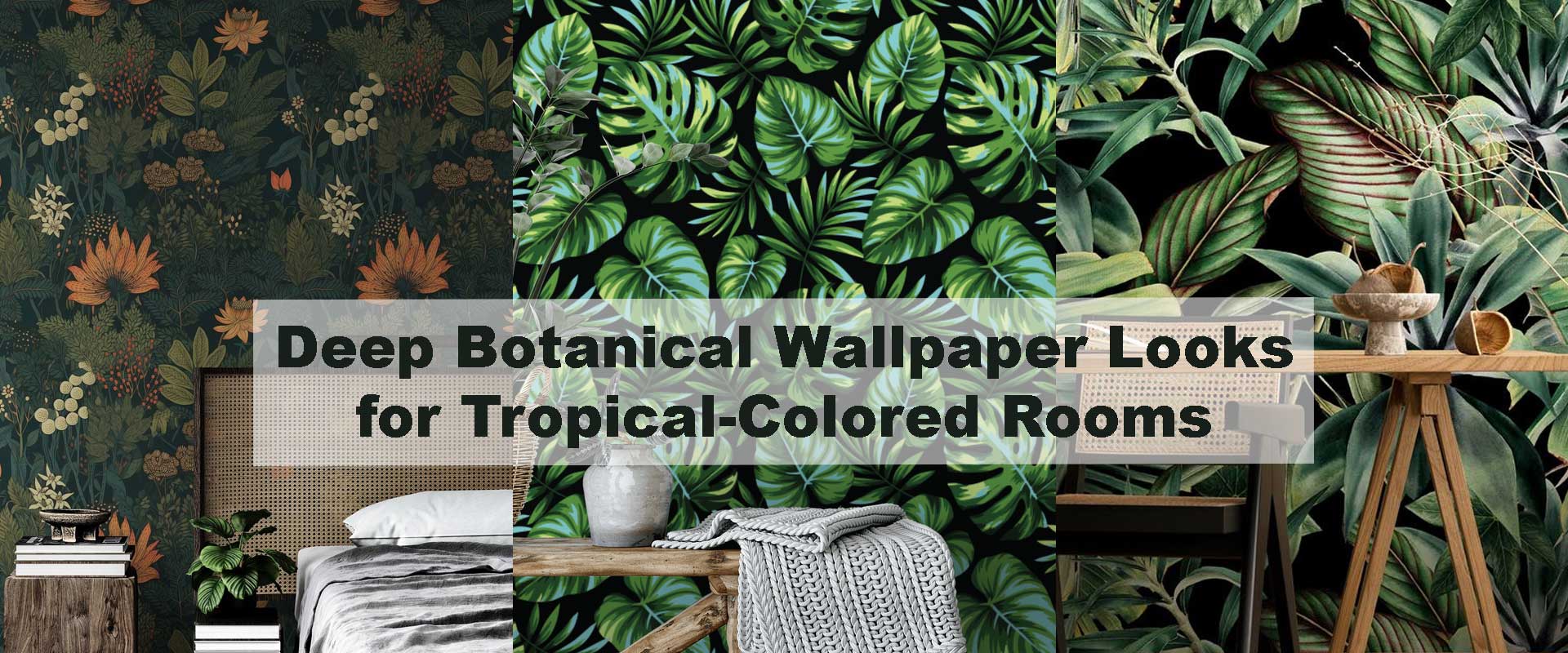
Deep Botanical Wallpaper Looks for Tropical-Colored Rooms
Tropical-colored rooms thrive on depth, warmth, and expressive natural tones, making deep botanical wallpaper one of the most powerful ways to elevate their presence. Rooms filled with teal accents, coral shades, rich greens, or golden hues often need texture and grounded visual movement to stay balanced. Deep botanical motifs deliver exactly that—layered foliage, shadowed leaves, and lush tonal blends that wrap the room in a calm yet dynamic atmosphere.
When crafted thoughtfully, this style becomes a bridge between color and nature, letting bold palettes feel intentional rather than overwhelming. Many homeowners are surprised by how gracefully these designs pair with warm tropical tones, especially when working with large focal walls or immersive mural-style backdrops. And as insights shared in How Can Tropical Wallpaper Make Small Rooms Feel Larger? highlight, layered shadows and foliage movement contribute to spatial ease even in tighter areas.
Why Deep Botanical Wallpaper Works Beautifully With Tropical Colors
Deep botanical patterns excel in rooms where vibrant color already plays a role. Their layered gradients blend easily with saturated decor, grounding the intensity of tropical palettes. For instance, living rooms painted in deep teal or jungle green can feel more cohesive when paired with lush, shadow-rich botanical themes, especially those with tonal transitions reminiscent of texture and foliage styles.
Creating Harmony Between Pattern and Color
Tropical-colored spaces rely on balance—too much boldness becomes heavy, too little contrast feels flat. Deep botanical wallpaper adds the right amount of visual weight through leaf silhouettes, shaded undergrowth, and natural variation. The lush complexity of the pattern absorbs strong colors instead of competing with them, making the palette feel more settled.
This effect is especially noticeable in rooms with coral, warm terracotta, or vibrant orange accents, where the pattern helps anchor the brightness. Because tropical themes are inherently energetic, pairing them with deep tones creates a soothing counterpoint that still feels cohesive and spirited.
Connecting Wall Color and Natural Elements
One of the most effective strategies is to echo wall colors inside the foliage itself. Many contemporary murals blend rich greens, browns, and muted blues—tones that sit beautifully inside tropical rooms without clashing. When you integrate deeper patterns, the entire palette becomes more intentional.
Even in rooms with golden yellows or soft peach tones, a deep botanical style adds structure through subtle shadows and gradients. This creates the kind of natural calm often highlighted in Jungle Canopy Wallpaper Giving Interiors Natural Vertical Flow, where foliage is not just décor but a tool for shaping emotional energy.
Choosing the Right Deep Botanical Style for Tropical Rooms
Tropical-colored interiors can vary dramatically—from dramatic jewel tones to playful citrus palettes to soft sunlit pastels. Because of this range, selecting the right deep botanical wallpaper isn’t about the depth alone, but how that depth interacts with light, color temperature, and the emotional tone of the room. When chosen thoughtfully, deep botanicals become a natural extension of the palette, enhancing its energy rather than competing with it.
1. Moody Tropical Rooms
Rooms leaning into a moody tropical aesthetic—where deep blues, charcoal greens, espresso woods, or oceanic teals dominate—benefit from botanical styles with pronounced shadows and slow-building gradients. These rooms thrive on ambiance, and deep botanicals add the cocooning softness needed to keep the palette immersive rather than heavy.
Layered leaf clusters, dusky greens, and subtle texture shifts echo the drama already present, creating a warm, enveloping environment ideal for evening relaxation or low-light aesthetics. Patterns inspired by our moody palettes collection deliver a luxurious, velvety depth that feels both atmospheric and intentional.
2. Vibrant, Playful Tropical Rooms
Tropical interiors filled with expressive shades—bold pinks, citrus orange, lively coral, emerald green, or bright turquoise—require a wallpaper that acts as a visual stabilizer. Deep botanicals with balanced mid-tones and softly layered greenery prevent these energetic colors from becoming too chaotic.
Instead of competing with brightness, the wallpaper adds structure and gentle visual pacing. Leafy silhouettes, soft shadow moments, and blended tones create subtle pauses between vibrant elements, allowing the eye to rest. This makes the room feel joyful, colorful, and spirited, yet still cohesive and grounded.
3. Light Tropical Rooms
Rooms that embrace gentle tropical minimalism—sage greens, pastel blues, airy mint, pale peach, or sandy neutrals—pair beautifully with deep botanical patterns that maintain a soft edge. The key is selecting depth that feels atmospheric rather than dense.
Watercolor-inspired botanicals, especially those found in our watercolor murals offerings, layer gracefully into these palettes. Their fluid gradients, softened leaf shapes, and dreamy transitions preserve the room’s lightness while adding dimensional calm. This combination is perfect for bedrooms, reading corners, or bright morning spaces where serenity matters as much as style.
How Deep Botanical Wallpaper Enhances Key Rooms
Tropical-colored interiors can lean airy, dramatic, modern, or bohemian, yet deep botanical wallpaper adapts organically to each mood. Its layered leaves, tonal shadows, and saturated greens give every room a tactile sense of nature, grounding bright tropical palettes with calm, immersive depth.
Living Rooms
Living rooms gain instant atmospheric richness when deep botanical designs meet soft, warm lighting and natural textures. Rattan, cane, or woven furniture echo the foliage’s organic rhythm, creating a space that feels rooted and serene. Behind sectional seating or in open-layout plans, the wallpaper acts as a visual anchor—its structured leaf layers guiding the eye gently through the room. This sense of continuity resonates with the principles shared in Jungle Forest Wall Murals for Deep Organic Interior Balance, where organic depth builds harmony across connected spaces.
Bedrooms
Bedrooms respond beautifully to shadow-heavy botanical formations because they naturally soften the room’s edges and reduce visual noise. A deep botanical feature wall behind the headboard creates a quiet focal point that encourages restfulness while complementing tropical tones like lagoon blue, warm coral, or muted jade. The layered foliage brings calm movement, making the room feel sheltered, balanced, and gently cocooned.
Dining Rooms
Dining areas become dramatically inviting when accented with deep botanicals. Tropical dining rooms often include warm woods, textured tableware, and atmospheric lighting—elements that thrive when paired with foliage-driven depth. As the wallpaper intensifies shadow play, colors appear richer and more luminous, turning meals into immersive tropical experiences. Metal pendant lighting or woven shades amplify these tonal shifts, making the room look warm, lush, and elevated.
Hallways
Hallways painted in vibrant tropical tones can sometimes feel narrow or overly bold. Deep botanical wallpaper brings softness through layered shadows and fluid leafy silhouettes, smoothing edges and giving the space gentle directional depth. This visual expansion is especially effective with patterns inspired by the forest collection, which extend the illusion of movement through narrower corridors without overwhelming them.
Pairing Deep Botanical Wallpaper With Tropical Furniture & Décor
Styling deep botanical walls in tropical-colored rooms is about creating a natural dialogue between color, texture, and form. Because these patterns carry both complexity and warmth, they harmonize beautifully with organic materials, simple silhouettes, and tropical-inspired details.
Woods
Natural woods are some of the best partners for deep botanical palettes. Light woods—beech, ash, or pale oak—soften visual depth and keep the tropical mood airy. Darker woods—walnut, teak, or mango—enhance the wallpaper’s richness and bring out darker leaf tones, giving living rooms and dining areas a warm tropical lounge feel. The contrast builds structure without stealing attention from the foliage.
Metal Accents
Metal elements introduce refinement and modern edge. Brushed gold warms the shadows, bronze ties into earthy undertones, and matte black sharpens leaf outlines without making the room heavy. When placed beside deep greens or layered botanicals, these accents create a striking yet balanced tropical aesthetic.
Textiles
Soft, breathable textiles—cotton, muslin, linen—blend seamlessly with botanical motifs. Colours like sand, moss, slate, storm blue, or muted teal mimic natural tones found in tropical landscapes. These textiles help transition between furniture pieces and wall pattern, making the room feel cohesive. Designers often incorporate subtle echoes of the botanical themes collection for quiet continuity across cushions, throws, or drapes without overwhelming the wallpaper’s depth.
Design Strategies for Tropical-Colored Rooms With Deep Botanicals
1. Use Contrast Carefully
Tropical rooms often feature high-energy hues—teal, coral, saffron, sea green. Deep botanical wallpaper should not compete with these colors; it should ground them. Choose foliage tones that echo your dominant color or soften its intensity. Proper contrast ensures the room feels intentional instead of visually noisy.
2. Let the Wallpaper Lead the Palette
When working with multiple tropical colors, allow your deep botanical mural to introduce one key connecting tone—an olive undertone, muted teal wash, or soft shadow green. This unifying color subtly guides furniture choices, textile shades, and accessories so the room flows effortlessly.
3. Add Real Plants for Layered Authenticity
Real plants extend the wallpaper’s dimension into the room. When placed near corners or along furniture edges, they blur the line between pattern and object, making the space feel more alive. Tall fronds add vertical movement, while small leafy plants echo close-up botanical textures, creating a layered tropical experience.
4. Keep Furniture Shapes Simple
Deep botanical designs already deliver texture and complexity. Simple, clean-lined furniture ensures the room stays balanced and calm. Choose minimalist silhouettes, rounded edges, or geometric forms to offset the wallpaper’s richness. This maintains the clarity needed in tropical interiors, allowing color and foliage to shine without visual clutter.
Deep Botanical Wallpaper vs. Light Tropical Patterns
| Feature | Deep Botanical Wallpaper | Light Tropical Patterns |
|---|---|---|
| Mood | Rich, immersive | Soft, breezy |
| Best For | Tropical-colored rooms with bold hues | Pastel or neutral tropical rooms |
| Depth Effect | Strong layered shadows | Gentle, airy gradients |
| Style Impact | Dramatic grounding | Lively lift |
| Room Suitability | Living rooms, dining rooms, moody bedrooms | Small bedrooms, bright kitchens, light hallways |
| Visual Movement | High | Medium |
| Styling Ease | Moderate | Easy |
This comparison shows how deep botanical themes deliver a powerful sense of grounded energy that works beautifully with vibrant, tropical-inspired interiors.
Integrating Tropical Palettes with Deep Botanicals
Tropical-colored rooms often combine vivid hues that need a natural counterbalance. Deep botanical wallpaper excels here because its layered shadows and densified foliage bridge color intensity with grounded earthy tones. Popular tropical palettes such as teal with banana-leaf green, coral blended with soft sand and deep olive, or terracotta paired with banana yellow become far more cohesive when deep foliage patterns anchor the palette with visual stability.
For example, rooms dominated by teal tones feel elevated and more refined when paired with jungle greens, muted turquoise leaves, or shadow-infused botanical silhouettes. The layered leafwork introduces gradual tonal transitions that prevent teal from feeling too sharp or too cool. On the other hand, coral-heavy rooms—often bright and energetic—benefit from the depth of dark foliage, which softens the vibrancy while maintaining a warm tropical connection.
Terracotta-based interiors respond beautifully to deep olive botanicals or midnight greens, creating a grounded tropical warmth ideal for living rooms or bedrooms. Even lighter palettes, such as sky-blue paired with jungle green accents, gain sophistication when surrounded by darker botanical underlayers that enhance contrast without overwhelming the room.
Designers regularly apply the layering principles discussed in Fresh Tropical Greens Bringing Bright Natural Movement Indoors—using gradual transitions between tones to tie different colors together. Deep botanical wallpaper extends this technique across the entire wall surface, ensuring tropical palettes look unified, rhythmic, and naturally balanced.
Benefits of Deep Botanical Wallpaper in Tropical Interiors
1. Natural Depth Without Darkening the Space
While the term “deep” suggests heaviness, these botanical designs often include tonal highlights, soft gradients, and layered textures that keep the room bright. In tropical-colored rooms, which already rely on warmth and light, this depth creates dimension without reducing clarity.
2. Visual Stability for Strong Color Palettes
Tropical color schemes—bold blues, saturated corals, rich greens—can feel busy when not anchored by neutralizing elements. Deep botanical patterns stabilize the palette with structured foliage that absorbs excess intensity and shapes the room’s visual hierarchy.
3. Ideal for Both Feature Walls and Full-Room Immersion
Some deep botanical designs shine as dramatic focal points, especially behind beds, sofas, or dining sets. Others work beautifully across all four walls, especially when the room features bright tropical tones. The contrast between lively color and deep foliage gives immersive rooms a luxurious resort-like appeal.
4. Enhances Both Natural and Artificial Lighting
Daylight reveals subtle gradients within layered foliage, while evening lighting emphasizes shadow depth and softness. This dual responsiveness makes deep botanical wallpaper exceptionally dynamic in tropical rooms, where lighting transitions matter.
5. Creates a Luxe, Resort-Inspired Tropical Atmosphere
Paired with natural textures and rich color palettes, deep botanical styling evokes the luxurious calm of boutique tropical retreats. A subtle reference to our foundational category—Jungle Tropical Wallpapers—demonstrates how depth and lush greenery can elevate décor from simple tropical color to curated, high-end atmosphere.
Styling Mistakes to Avoid
Even the most beautiful deep botanical wallpaper can lose impact when surrounding choices introduce imbalance. Keeping a few common mistakes in mind ensures your tropical room stays cohesive and refined.
1. Overloading the Room with Bold Accents
Tropical-colored rooms are already expressive. Adding too many bright accessories, patterned cushions, or saturated tones on top of deep botanicals can overwhelm the eye. Instead, limit bold accents to a few curated pieces that highlight the wallpaper’s depth.
2. Mixing Too Many Competing Patterns
Botanical depth is inherently textured. Introducing multiple strong patterns—busy textiles, heavy rugs, or complicated upholstery—can create visual chaos. Simpler fabrics and clean lines allow the foliage to shine.
3. Neglecting Thoughtful Lighting Placement
Deep patterns rely on shadow play. Insufficient lighting flattens their beauty. Use warm overhead lights, table lamps, or sconces to enhance botanical layers and ensure foliage details remain lively.
4. Clashing Undertones in Furniture and Décor
Deep botanical wallpapers often feature cool or warm undertones. Mismatching those with imbalanced décor—cold blues beside warm olive leaves, or bold yellow beside cool jade—can disrupt harmony. Always align undertones within the tropical palette.
Practical Tips for Selecting the Perfect Deep Botanical Wallpaper
- Match one core color from your tropical palette to the wallpaper’s foliage or shadow tone for seamless connection.
- Choose shadow-rich botanicals for bold, vibrant rooms where a grounding element is needed, and select watercolor or softly blended leaves for lighter tropical spaces.
- Coordinate metal finishes—such as bronze, brushed gold, or matte black—with the wallpaper’s darker areas to build a cohesive rhythm across the room.
- Incorporate natural materials like rattan, bamboo, teak, or cane to increase warmth and amplify the tropical atmosphere.
- Use wallpaper direction strategically—vertical foliage to elongate rooms, horizontal flow to widen compact spaces—ensuring the wall art enhances the room’s proportions.
Frequently Asked Questions
1. Does deep botanical wallpaper overpower tropical-colored rooms?
No. Deep botanical wallpaper actually helps balance strong tropical hues by adding structured depth and grounding the palette. The layered shadows and textured foliage gently absorb vivid colors—such as teal, coral, or bright green—making the room feel cohesive rather than intense. When paired with simple furniture lines and natural materials, the wallpaper becomes a stabilizing visual anchor.
2. Which colors work best with deep botanical patterns in tropical interiors?
Rich greens, teal blends, warm terracotta, muted blues, coral highlights, and soft sandy neutrals pair beautifully with deep botanical designs. These tones naturally echo the layered foliage, creating harmony between wall pattern and décor. Rooms that combine earthy undertones with rich tropical colors benefit the most, as the palette remains bold yet balanced.
3. Is deep botanical wallpaper suitable for small tropical rooms?
Yes. Deep botanical styles create visual depth through shadowed foliage and layered gradients, which can make compact tropical rooms feel more expansive. The key is choosing balanced lighting and keeping furniture shapes minimal. The effect is similar to insights found in How Can Tropical Wallpaper Make Small Rooms Feel Larger?, where gentle shadow movement helps ease tight spaces.
4. Can deep botanical wallpaper work as a full-room installation?
Absolutely. While many homeowners use it as a feature wall, full-room installations deliver a luxurious, resort-like atmosphere in tropical spaces. Tropical colors already introduce vibrancy, so deep botanicals help ground all four walls while maintaining natural energy. With proper lighting and lighter décor elements, the effect feels immersive and soothing.
5. Which furniture styles match deep botanical wallpaper in tropical-colored rooms?
Natural materials—such as rattan, cane, bamboo, jute, and warm woods—pair exceptionally well because they echo the wallpaper’s earthy tone. Metal accents in brushed gold, black, or bronze enhance the shadowed foliage. Clean, minimal shapes keep the room balanced, while subtle tropical textiles maintain warmth without competing with the wallpaper’s depth.
6. What lighting works best with deep botanical murals?
Warm ambient lighting, soft diffused lamps, wall sconces, and indirect LED strips amplify the wallpaper’s leaf layers and shadow gradients. Daylight highlights midtones and soft greens, while evening lighting deepens the foliage for a cozy, intimate tropical ambiance. Adjustable lighting is ideal for rooms with richly saturated wallpaper.
7. Should tropical rooms choose dark or mid-tone botanical designs?
For vibrant tropical colors (coral, turquoise, bold teal), deeper botanical designs help stabilize strong hues. For lighter palettes (mint, pastel blue, sage), mid-tone or watercolor botanicals maintain the fresh, airy mood. The goal is to align depth with the room’s dominant color temperature—cool undertones with cool leaves, warm undertones with warm foliage.
8. Do deep botanical wallpapers clash with patterned textiles?
Not when used thoughtfully. Because deep botanical wallpapers contain natural complexity, pair them with subtle textiles—soft linen, plain cotton, or minimally patterned cushions. This ensures tropical tones remain expressive without overwhelming the space. Keeping patterns restrained allows the wallpaper to lead visually.
9. How do I create balance when using deep botanical wallpaper behind bold furniture?
Choose accessories that bridge the furniture color with tones found in the wallpaper. For example, teal sofas pair beautifully with jungle greens or muted turquoise foliage. Coral pieces find harmony through olive shadows or warm brown leaf accents. This unifies the palette and prevents the bold furniture from standing out too sharply.
10. Are real plants still needed when using deep botanical wallpaper?
They’re not required, but they enhance the atmosphere beautifully. Real plants extend the wallpaper’s movement into the room, making the space feel more alive and layered. In tropical-colored rooms, adding a few well-placed plants strengthens the connection between nature, color, and depth for a more immersive experience.
Conclusion
Deep botanical wallpaper transforms tropical-colored rooms into layered, expressive spaces filled with warm natural energy. Its rich shadows, tonal blends, and leafy structures create balance, calming even the boldest palettes without reducing vibrancy. By harmonizing pattern depth, lighting, and tropical hues, you can craft a room that feels immersive, grounded, and beautifully connected to nature.
Whether your interior leans cozy, vibrant, or moody, deep botanical styles bring a lush sophistication that elevates every corner. When paired thoughtfully with natural materials, simple furniture lines, and well-chosen tropical accents, they become a timeless addition that turns any space into a calm tropical retreat.