How to Mix and Match Nursery Wallpaper With Soft Furnishings
Designing a nursery that feels calm, cohesive, and visually comforting often comes down to how well different elements work together. Nursery wallpaper sets the emotional tone of the room, while soft furnishings add warmth, texture, and everyday comfort. When these pieces are thoughtfully coordinated, the space feels intentional rather than busy, and soothing rather than overwhelming.
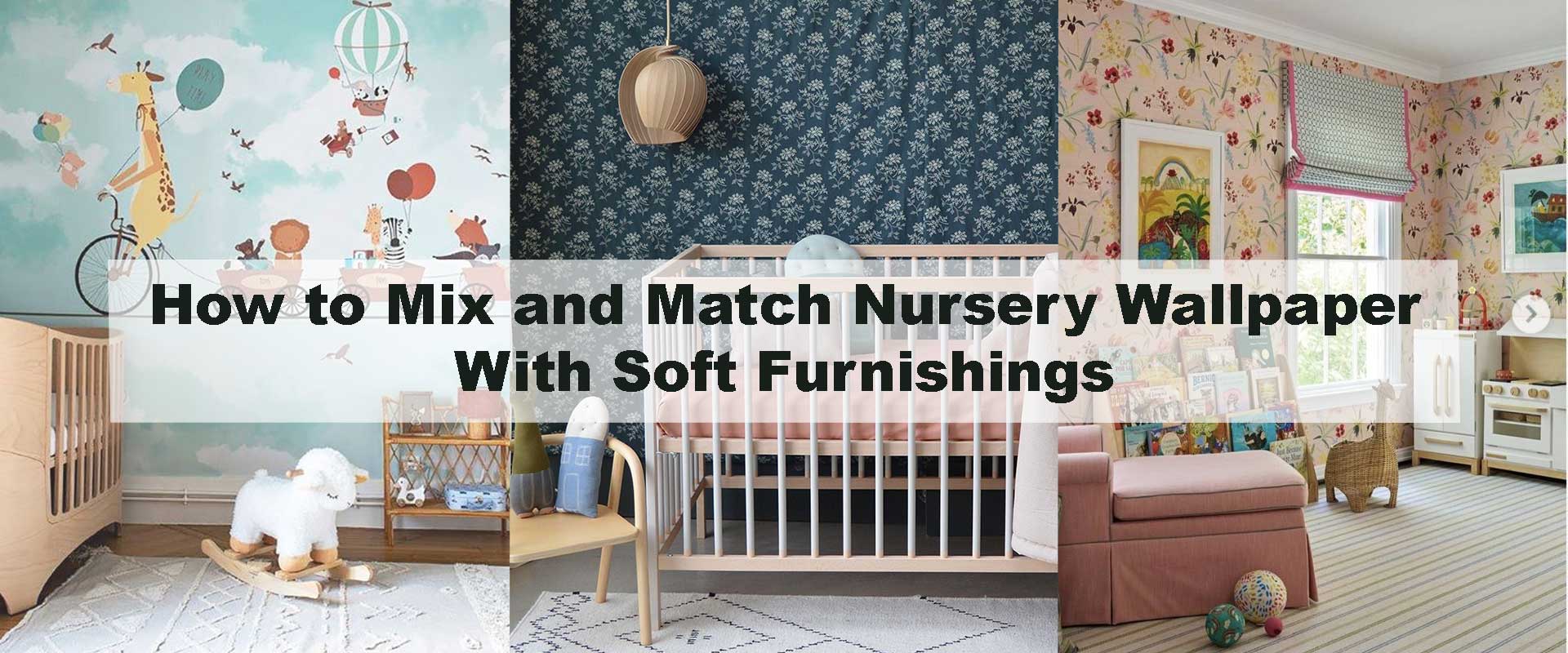
Mixing and matching nursery wallpaper with soft furnishings doesn’t require strict color matching or rigid themes. Instead, it’s about understanding balance—how patterns, tones, and textures can quietly support one another. With the right approach, wallpaper becomes a backdrop that elevates cushions, rugs, curtains, and upholstery into a layered, welcoming environment that grows gracefully with your child.
Start With the Wallpaper as Your Visual Anchor
Wallpaper should always be the starting point when planning a nursery’s look. Because it occupies a large surface area, it naturally becomes the room’s visual anchor and influences every other design choice. Soft furnishings work best when they respond to the wallpaper rather than compete with it, especially when the wall design already establishes a strong visual rhythm.
If the wallpaper features detailed illustrations or layered scenes, keep furnishings simpler and more textural. For minimal or lightly patterned walls, furnishings can introduce gentle character through fabric and form. This principle is especially helpful when styling feature walls, as explained in How to Style a Nursery Wall Around a Single Feature Wallpaper, where visual hierarchy plays a key role in keeping the room balanced.
Many parents begin by browsing curated Nursery Wallpaper collections to identify a mood—calm woodland, dreamy botanicals, playful animals, or soft pastels—before building the rest of the room around that core visual.
Match Mood Before Matching Color
One of the most common missteps in nursery design is trying to match colors too precisely. While tonal harmony does matter, emotional alignment matters far more. Wallpaper with soft brushstrokes, washed pigments, or watercolor-style finishes carries a gentle visual rhythm, and it pairs best with furnishings that feel equally calm and understated—even when the shades aren’t an exact match.
For instance, a wallpaper featuring muted sage leaves will feel more naturally balanced with warm beige cushions, oatmeal-toned rugs, or linen curtains than with sharper green accents. These softer companions allow the wallpaper to breathe visually, reducing contrast and creating a space that feels emotionally settled. This design sensitivity closely aligns with the principles shared in How to Avoid Overstimulation When Designing a Nursery Feature Wall, where visual softness supports a child’s sense of comfort and ease.
This approach works especially well with interiors inspired by Neutral Nursery Wallpaper, where layered tones replace bold color statements, resulting in rooms that feel calm, timeless, and gently cohesive rather than visually demanding.
Balance Pattern Scale for Visual Calm
Pattern scale plays a quiet but powerful role in how comfortable a nursery feels. Large-scale wallpaper designs naturally command attention, which means soft furnishings should counterbalance that presence with smaller, subtler patterns or solid textures. This contrast keeps the space visually composed, preventing the room from feeling crowded or overstimulating.
When wallpaper features repeating motifs or illustrated elements, furnishings like solid-toned throws, lightly ribbed rugs, or finely woven cushions help ground the design. On the other hand, when wallpaper is minimal or abstract, introducing delicate patterns through textiles adds softness without overpowering the walls. This thoughtful interplay of scale mirrors the calming principles discussed in Best Nursery Wallpaper Patterns for Newborn Photo Corners, where proportion and visual gentleness help maintain a peaceful environment.
By varying pattern size rather than eliminating pattern altogether, the nursery gains depth and warmth while preserving a sense of visual rest—essential for spaces designed around comfort and quiet moments.
Use Texture to Add Warmth Without Clutter
Texture is one of the most effective ways to soften a nursery without overwhelming it visually. While wallpaper establishes the room’s atmosphere, soft furnishings introduce a tactile layer that makes the space feel lived-in, comforting, and emotionally warm. Even within a restrained color palette, texture creates quiet contrast and depth, ensuring the room feels layered rather than flat.
Layering materials such as cotton, linen, wool, or lightly quilted fabrics against smooth wallpaper finishes adds richness without visual noise. A plush rug beneath a patterned wall absorbs visual intensity, while soft cushions placed against mural backdrops gently diffuse bold imagery. This balance reinforces the sense of ease highlighted in Why Peel-and-Stick Nursery Wallpaper Is a Life Saver for New Parents, where adaptability, softness, and everyday comfort play an essential role in nursery design.
Let One Element Lead, the Others Support
A thoughtfully designed nursery always follows a clear visual hierarchy. When wallpaper features expressive illustrations, layered scenery, or detailed motifs, it naturally becomes the room’s focal point. In these cases, soft furnishings work best when they support rather than compete—adding comfort and texture without drawing attention away from the walls.
Conversely, when wallpaper is subtle or minimal, furnishings can introduce character through gentle fabric structure, rounded forms, or tactile finishes. Problems arise when every element demands attention, creating visual clutter instead of calm. This balance is especially important with illustrated styles like Woodland Nursery Wallpaper, where allowing the wall to tell the story while furnishings remain understated keeps the space soothing, composed, and emotionally restful rather than overstimulating.
Coordinate Through Undertones, Not Exact Shades
Undertones are the quiet foundation that allows wallpaper and soft furnishings to feel naturally connected. While surface colors may differ, shared undertones create harmony beneath the palette. Warm undertones pair best with materials like cream, sand, oat, or soft clay, while cooler undertones sit comfortably alongside pale greys, misty blues, and muted greens. Recognizing this subtle relationship makes coordination feel intuitive rather than forced.
For example, pastel wallpapers with gentle blush or peach undertones feel more grounded when paired with ivory curtains or oatmeal-toned textiles rather than crisp white. These softer companions anchor the wall design and smooth visual transitions across the room. This kind of understated coordination supports the timeless approach described in The Best Nursery Wallpaper for Timeless Interior Design, where longevity comes from restraint rather than exact matching.
Keep Gender-Neutral Pairings Flexible
Contemporary nursery spaces increasingly favor gender-neutral palettes that adapt gracefully as a child grows. Wallpaper in soft greens, warm beiges, light taupes, or abstract organic patterns creates a stable visual base that doesn’t feel age-specific. This allows soft furnishings to change naturally over time without requiring a full redesign of the room.
Neutral foundations make it easy to refresh the space through cushions, throws, rugs, or bedding as preferences evolve. Designers often lean on adaptable wall designs such as Pastel Nursery Wallpaper or nature-inspired compositions, allowing the wallpaper to remain constant while furnishings become the flexible, expressive layer. The result is a nursery that feels relevant for years rather than tied to a single moment.
Use Furnishings to Echo, Not Repeat, Motifs
Rather than duplicating wallpaper motifs directly in soft furnishings, a more refined approach is to echo them through form, movement, or texture. Flowing wallpaper lines are beautifully complemented by draped curtains or rounded cushions, while botanical or organic motifs feel balanced alongside woven fabrics and gently textured materials.
This method keeps the room visually cohesive without appearing themed or overly literal. By allowing furnishings to respond abstractly to the wallpaper, the nursery maintains a calm, mature atmosphere that feels thoughtfully layered. This philosophy aligns closely with the ideas explored in Dreamy Meadow-Style Nature Prints Help Nurseries Feel Softer Without Childish Motifs, where subtle visual repetition creates elegance rather than distraction.
Layer Light and Dark Thoughtfully
Contrast adds depth, but it should be handled gently in nurseries. Light wallpaper benefits from slightly deeper-toned furnishings to ground the room, while darker wallpaper pairs best with lighter textiles that lift the overall feel.
Soft furnishings are an easy way to control contrast without overwhelming the space. Rugs, cushions, and throws subtly adjust brightness, ensuring the wallpaper remains the focal point while the atmosphere stays calm.
Consider How Light Affects Both Surfaces
Natural and artificial light dramatically influence how wallpaper and furnishings interact. A wallpaper that looks soft in daylight may appear richer in evening light, so furnishings should complement both conditions. Matte fabrics tend to diffuse light gently, helping maintain visual calm throughout the day.
Rooms with limited natural light often benefit from lighter textiles paired with softly colored wallpaper. This combination reflects available light and keeps the nursery feeling open rather than enclosed.
Mixing Themes Without Losing Harmony
It’s possible to blend gentle themes—like nature and minimalism—without creating visual confusion. The key is consistency in color temperature and softness. For example, a botanical wallpaper pairs beautifully with plain linen furnishings, allowing both elements to coexist without competing.
Parents often find inspiration in soft, story-driven designs such as Animal Nursery Wallpaper, where the imagery feels playful yet restrained. Neutral furnishings then help ground the theme, keeping the space calm and adaptable.
Wallpaper-First vs Furnishing-First Styling
| Design Approach | Visual Result | Long-Term Flexibility | Overall Feel |
|---|---|---|---|
| Wallpaper-First Styling | Cohesive and intentional | Easy to update furnishings | Calm and balanced |
| Furnishing-First Styling | Can feel mismatched | Harder to align later | Less structured |
| Pattern-Led Wallpaper | Strong focal point | Requires simpler textiles | Visually anchored |
| Neutral Wallpaper Base | Flexible foundation | Supports evolving décor | Timeless and soft |
Common Mistakes to Avoid
Overloading the room with patterns is one of the most common missteps. Even beautiful elements can feel chaotic when layered without restraint. Another mistake is choosing furnishings that are too bold in color or texture, pulling attention away from the wallpaper instead of supporting it.
Ignoring scale can also disrupt harmony. Large furniture paired with busy wallpaper can overwhelm a small nursery, while tiny accessories may feel lost against expansive mural designs. Thoughtful proportion keeps the space feeling balanced and intentional.
FAQ: Mixing Nursery Wallpaper With Soft Furnishings
Can I mix patterned wallpaper with patterned fabrics?
Yes, but vary the scale and keep one pattern softer to maintain visual balance.
Should curtains match the wallpaper exactly?
No, coordinating undertones and mood works better than exact color matching.
Is it better to keep rugs neutral in nurseries?
Neutral rugs often ground the space and let wallpaper remain the focal point.
Can soft furnishings be changed as my child grows?
Absolutely. Furnishings are the easiest layer to update without replacing wallpaper.
Do textured fabrics work with smooth wallpaper finishes?
Yes, contrasting textures add warmth and depth, especially in calming nursery designs.
Conclusion
Mixing and matching nursery wallpaper with soft furnishings is less about strict coordination and more about thoughtful balance. When wallpaper sets the mood and furnishings respond with complementary textures, tones, and scale, the nursery feels calm, cohesive, and emotionally supportive. By focusing on undertones, hierarchy, and softness, you create a space that nurtures both comfort and imagination.
With the right pairing strategy, nursery wallpaper and soft furnishings work together to form a room that feels timeless, adaptable, and deeply soothing—designed not just to look beautiful, but to support everyday moments of care and connection.