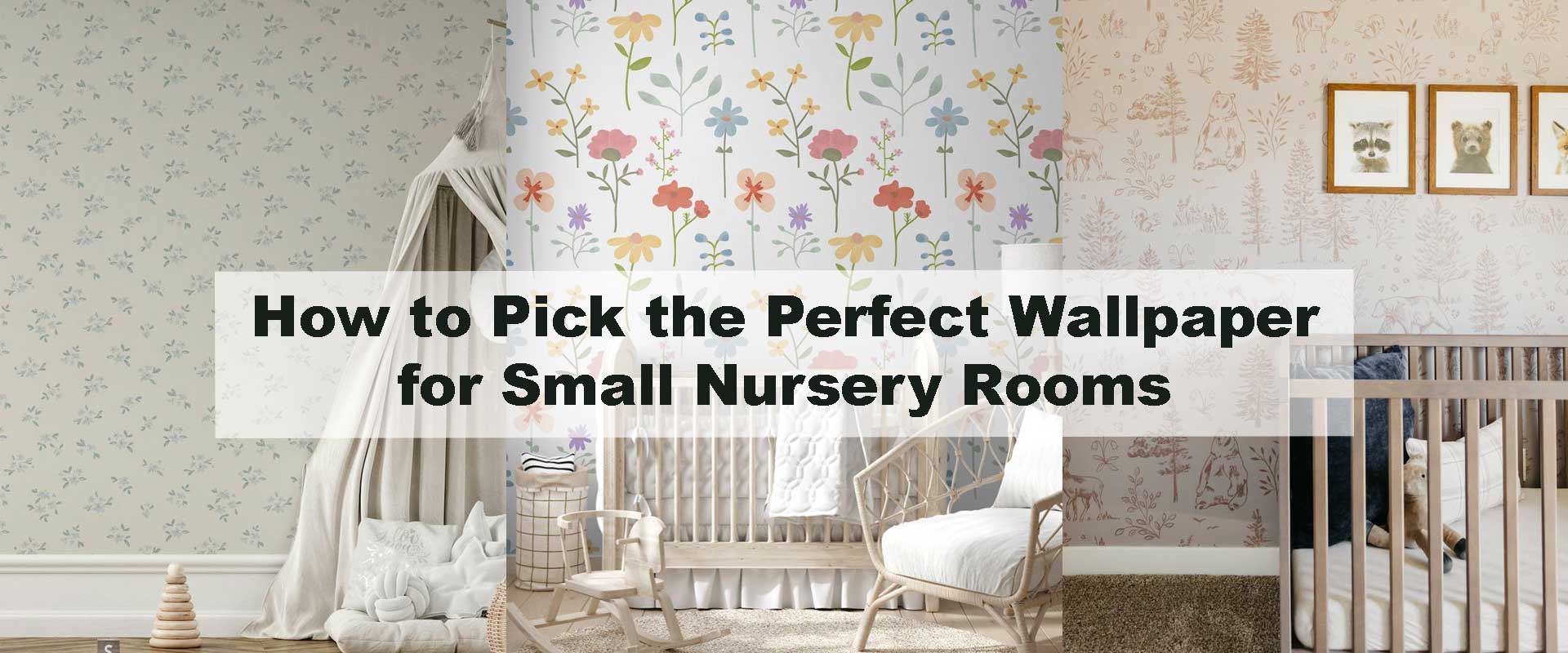
How to Pick the Perfect Wallpaper for Small Nursery Rooms
Designing a compact room for a newborn often brings excitement mixed with uncertainty, especially when deciding how to pick the perfect wallpaper for small nursery rooms. The right colors, patterns, and scale can completely transform limited dimensions, turning a tight space into a warm, breathable sanctuary that feels cozy instead of crowded. Many parents underestimate how strongly wallpaper influences perceived brightness and openness, which is why understanding visual balance becomes essential long before crib placement or décor selection. When thoughtful choices guide the process, even the smallest nursery gains softness, serenity, and a sense of gentle spaciousness that benefits both parent and baby. This approach aligns well with guidance shared in Calming Nursery Wallpaper Themes That Help Babies Sleep Better, which highlights how gentle visuals support nighttime comfort. This is one reason families frequently turn toward welcoming designs through Nursery Wallpaper to achieve harmony from day to night.
Why Wallpaper Matters More in Small Nursery Rooms
Wallpaper plays a much deeper role than simply adding color. In small rooms, it functions as a spatial illusion—stretching, brightening, softening, or grounding the environment depending on palette and pattern. When walls take up most of the visible area, their treatment becomes the single biggest factor in whether the nursery feels restful or compressed.
How Visual Weight Influences Nursery Comfort
Visual weight refers to how heavy or light a pattern appears to the eye. In compact nurseries, heavy patterns compress the walls inward, while lighter motifs allow the room to breathe. Watercolor strokes, fine linework, and subtle shaded gradients are especially effective because they create depth without overpowering tight dimensions.
Helping Babies Feel at Ease in Limited Spaces
Infants are highly sensitive to overstimulation. Since small rooms naturally bring surfaces closer, choosing wallpaper that softens their visual surroundings helps settle their sensory experience. Gentle repeats, airy botanicals, and pastel animals from ranges like Pastel Nursery Wallpaper or Animal Nursery Wallpaper often produce this comforting effect. Parents who focus on visually soothing elements often appreciate insights shared in Best Nursery Wall Murals for Gentle Bedtime Routines, which describes how calming imagery enhances early sleep rituals.
Choosing the Right Color Palette for a Small Nursery
Color shapes the emotional character of a compact nursery more than any other design element. In a small room, every shift in tone—warm, cool, bright, or muted—changes how the walls carry light and how open the space feels. Gentle palettes not only influence spatial perception but also support newborn comfort, helping the room feel calm, airy, and softly enveloping.
Light Colors That Visually Expand the Room
Light, breathable shades are essential in compact nurseries because they open up the space without effort. Soft beiges, warm creams, muted peach, sage mist, pale greys, and lavender haze brighten the room by reflecting available light rather than absorbing it. These hues minimize shadows in corners and lift the walls visually, giving the nursery a sense of width and clarity that feels instantly soothing.
Avoiding Dark or High-Contrast Shades
Deep tones can be beautiful, but in small nurseries they tend to pull the walls inward, tightening the space and reducing visual flow. High-contrast palettes create sharp boundaries that feel heavy on the eye, especially when scattered across a room already filled with cribs, storage, textiles, and toys. Keeping darker hues as subtle accents preserves spaciousness while still allowing personality to shine.
Why Pastels Work Beautifully in Compact Spaces
Pastels excel in small nurseries because they balance softness with brightness. Their airy quality diffuses light gently, wrapping the room in a quiet glow that feels nurturing rather than stark. Whether in peaches, sage, dusty blues, blush roses, or cloud-soft lilacs, pastels harmonize well with natural woods, whites, and warm neutrals. This makes them a reliable and timeless choice for rooms where serenity and openness are priorities.
Pattern Scale: The Most Overlooked Design Factor
While parents often focus on color first, pattern scale silently determines how balanced, spacious, and gentle a small nursery feels. The scale of a motif guides the eye through the room, shaping the emotional tone and preventing visual clutter. When chosen thoughtfully, pattern scale can add depth, storytelling, and rhythm without stealing space.
Small Patterns for Smooth, Rhythmic Calm
Small-scale patterns offer a quiet sense of movement across the walls. Their consistent, gentle repeats allow the eye to glide naturally, creating a subtle rhythm that soothes both parent and baby. Because the motifs never dominate the space, they help compact nurseries maintain clarity, making them perfect for rooms that double as both sleep and play areas.
Medium Patterns for Subtle Depth
Medium-scale motifs introduce atmosphere without overwhelming the room. When spaced generously, they add dimension and a touch of storytelling, enriching the nursery’s personality with softness. This scale works wonderfully with celestial, woodland, botanical, and animal themes, giving the walls a sense of depth that enhances the perception of space.
Large Patterns: Use Carefully in Small Nurseries
Large-scale designs can be breathtaking, but they need space to breathe. In a compact nursery, covering all walls with oversized motifs may overpower the room’s proportions. However, when used intentionally—such as behind the crib or on a single featured surface—they create dramatic beauty without compromising openness. The key is balance: pairing one statement wall with lighter surroundings maintains spaciousness while showcasing a memorable visual moment.
Choosing the Best Wallpaper Style for Small Nursery Rooms
Wallpaper style shapes not only the look of a small nursery but also its emotional rhythm. In compact rooms, themes with soft palettes, balanced illustrations, and gentle movement help maintain openness while supporting a calm sensory environment for the baby. Each style offers its own way of enhancing space, influencing how light travels across the walls and how the room feels from the moment you step inside.
Botanical Themes That Feel Airy and Fresh
Botanical patterns bring a sense of breathing space into small nurseries through their natural softness and flowing silhouettes. Subtle leaf sketches, drifting eucalyptus trails, and watercolor vines create quiet visual movement that mimics the calming rhythm of nature. Designs from Botanical Nursery Wallpaper add freshness without drawing the walls inward, letting the room feel nurtured, open, and peacefully organic. These motifs also pair seamlessly with light woods and neutral textiles, enhancing the room’s gentle atmosphere.
Animal Themes That Bring Playful Calm
Softly illustrated animals—bunnies, fawns, lambs, elephants—introduce tenderness and personality without overwhelming the space. Their rounded forms and muted tones create a friendly environment that sparks imagination while preserving serenity. Against pale or pastel backgrounds, these animal motifs feel light and uplifting, offering just enough character to make a compact nursery feel warm, engaging, and emotionally comforting for early routines.
Neutral Styles for Modern, Minimal Nurseries
Neutral-themed wallpapers work exceptionally well in small nurseries because they maintain clarity, spaciousness, and visual softness. Soft sand, warm cream, mist grey, and muted taupe build a timeless backdrop that evolves beautifully from newborn days into toddler years. Patterns from Neutral Nursery Wallpaper prevent clutter and let furniture and accessories shine gently without competing for attention. This approach is especially effective when families prefer a clean, modern style that still feels cozy and child-friendly.
Space-Saving Celestial and Space-Inspired Designs
Celestial themes lift the nursery with quiet elevation. Pale moons, dotted stars, sky washes, and airy constellations softly draw the gaze upward, creating the sensation of a taller, breezier room. Their vertical movement helps small spaces feel less boxy, while pastel blues, soft greys, and dreamlike gradients offer nighttime serenity. These designs are a beautiful choice for parents who want an atmosphere filled with imagination without adding any visual heaviness.
Whimsical Styles That Maintain Softness
Whimsical designs bring charm without intensity. Watercolor clouds, floating shapes, hand-painted doodles, and softly illustrated storybook scenes add personality while staying light on the eye. Their imperfect, artistic strokes diffuse visual weight, making small nurseries feel dreamy and softly textured. This style works beautifully when you want creativity and gentle character to coexist in a tight footprint.
Using Wallpaper to Shape Perception in Tight Dimensions
Wallpaper can completely shift how a small nursery feels, offering subtle visual tricks that stretch, lift, or soften the space without changing a single inch of its footprint. By choosing patterns that guide the eye thoughtfully, parents can give the illusion of height, width, or depth to support comfort and openness.
Creating Height
Vertical elements—elongated trees, cascading florals, drifting vines, or upward strokes—encourage the eye to travel from floor to ceiling, gently expanding the sense of height. This effect is especially useful in nurseries with low ceilings, where vertical movement creates a more uplifting, spacious feel. The room appears taller and more airy, reinforcing calmness during early routines.
Making the Nursery Look Wider
Horizontal cues stretch the room visually, making narrow layouts feel more balanced. Even soft, subtle bands of color, lightly brushed horizons, or evenly spaced motifs can widen the field of view. These horizontal movements help offset tight wall proportions and create a soothing visual rhythm across the room.
Enhancing Depth
Depth-enhancing wallpapers use gentle gradients, misty backgrounds, watercolor fades, and atmospheric layering to pull the eye softly into the distance. This creates the illusion of a room that extends beyond its physical boundaries. Such designs work beautifully behind the crib or changing station, where the added visual space makes compact areas feel more open, relaxed, and thoughtfully designed.
When to Use a Feature Wall in a Small Nursery
Feature walls offer a thoughtful way to introduce personality into a compact nursery without overwhelming the space. They allow expressive patterns, gentle illustrations, or dreamy scenic art to shine while the rest of the room remains light, balanced, and comfortable for a newborn’s senses. In small nurseries, this approach becomes especially valuable because it helps shape depth and character without visually tightening the room.
Why a Single Wall Creates Balance
A single patterned wall brings structure and softness together in a way that keeps the nursery feeling open. When bold or medium-scale motifs are limited to one area, the eye naturally gravitates toward that point, creating an elegant focal moment while allowing surrounding walls to fade into a calming, breathable backdrop. This balance supports a soothing environment and prevents the room from feeling visually crowded.
Best Wall to Choose
The crib wall is often the most intuitive choice because it shapes the nursery’s tone instantly. A beautifully illustrated wall behind the crib frames the sleep space with warmth and intention, transforming it into a serene centerpiece. This placement also allows furniture, textiles, and lighting to harmonize naturally with the pattern, anchoring the layout without sacrificing openness elsewhere in the room.
Mixing Feature Walls With Minimal Surrounds
A feature wall works best when the remaining walls maintain softness through pale tones, gentle textures, or subtle neutrals. This contrast ensures the focal wall stands out gracefully while the rest of the room preserves spaciousness. The combination creates a layered yet airy visual effect, ideal for small nurseries where comfort and calm take priority.
Furniture and Wallpaper Pairing for Small Nurseries
Thoughtful pairing of furniture and wallpaper is essential in compact nurseries, where every piece influences how open or intimate the room feels. By selecting furniture that complements the wallpaper’s tone and scale, you create a cohesive visual rhythm that enhances comfort, clarity, and flow.
Light Woods for Bright, Airy Rooms
Light woods—such as beech, ash, birch, or whitewashed oak—blend effortlessly with pastel wallpapers and botanical designs. Their soft undertones reflect natural light and help maintain a weightless, airy feel. These finishes support an inviting atmosphere that feels gentle on both the eye and the room’s limited space.
Mid-Tone Woods for Gentle Warmth
Maple, honey oak, and muted walnut introduce warmth without overwhelming a small layout. When paired with dusty pinks, sage greens, oatmeal neutrals, or soft meadow tones, mid-tone woods bring a grounded, cozy quality that enriches the nursery while still feeling balanced. This harmony between warmth and openness helps shape a nurturing environment for newborns and toddlers.
White Furniture for Maximum Light Reflection
White furniture amplifies brightness in compact rooms by reflecting both daylight and soft nursery lighting. When placed against gentle wallpapers—such as botanical sketches, animal illustrations, or pale gradients—it creates a clean, polished contrast that enhances spaciousness. This approach works especially well in nurseries with limited windows.
Avoid Bulky Shapes
Furniture with large, blocky silhouettes can quickly disrupt the serenity established by delicate wallpaper patterns. Slim profiles, rounded edges, and open-frame designs maintain visual lightness and prevent the room from feeling cramped. This allows the wallpaper to remain a soothing backdrop rather than competing with heavy shapes for attention.
Textures and Finishes That Work Best in Small Nursery Rooms
Texture plays a gentle yet influential role in shaping how a compact nursery feels. In small rooms where every surface contributes to the overall mood, choosing the right finish can subtly expand the space, soften the atmosphere, and guide the eye in a calm, steady rhythm. The right textures allow the wallpaper to support the room rather than dominate it, helping the nursery feel light and welcoming even with limited square footage.
Smooth Finishes for Clarity
Smooth, matte, or satin finishes offer a refined foundation that keeps the walls visually quiet, allowing light to settle softly across the surface without sharp reflections. This clarity prevents the nursery from feeling fragmented, maintaining a clean, gentle backdrop that works particularly well with pastel palettes or delicate illustrations. Smooth finishes also enhance the sense of openness, making the room feel more spacious than its actual dimensions.
Watercolor and Hand-Painted Effects
Watercolor washes and hand-painted styles add subtle character without adding visual weight. Their fluid shapes, soft edges, and artistic gradients bring an organic sense of calm to small nurseries, echoing the natural movement babies find reassuring. These effects add depth while staying feather-light on the eye, ensuring that even in the tightest spaces, the walls support relaxation rather than compete for attention.
Soft Gradient Backgrounds
Gradients introduce gentle shifts in tone that mimic horizons, drifting skies, or dreamy meadows. This slow transition invites the eye to travel upward or outward, creating the quiet illusion of a larger room. In compact nurseries, gradients offer dimensionality without patterns that might feel busy, making them perfect for designs with sky themes, soft florals, or calming abstract work. The result is a room that feels open, tranquil, and effortlessly harmonious.
Lighting and Wallpaper Interaction in Small Nurseries
Lighting shapes how wallpaper comes to life, and in small nursery rooms, it can completely redefine the atmosphere. The right lighting reveals the softness of pastels, the depth of gentle gradients, and the balance of delicate patterns. Because compact spaces rely so heavily on perceived brightness, understanding how different lighting tones affect wallpaper helps maintain a peaceful environment throughout day and night routines.
Warm Lighting for Cozy Ambience
Warm lighting—whether through amber glows or soft white bulbs—wraps the nursery in a comforting haze that pairs beautifully with oatmeal hues, blush undertones, or warm sage tones. It highlights the soothing qualities of watercolor motifs and botanical sketches, making the room feel nurturing and restful. This glow softens shadows and gives even compact layouts an inviting warmth that supports bedtime calm.
Cool Lighting for Freshness
Cool-toned lighting enhances wallpapers with crisp, airy palettes such as mint, powder blue, misty grey, or lavender. These cooler tones brighten the room without overwhelming it, giving small nurseries a fresh, lightly energized feel that works well during daytime play or feeding routines. The clarity of cool lighting helps maintain spaciousness, especially when paired with smooth finishes or subtle gradients.
Natural Light Considerations
Natural light varies widely between nurseries, and small rooms often rely on softer or limited sunlight. Wallpapers with reflective or light-enhancing qualities help distribute natural brightness throughout the space, preventing shadows from settling heavily in corners. Pale backgrounds, gentle patterns, and satin-like finishes make the most of every bit of daylight, giving the room a brighter and more open appearance regardless of window size.
Why Peel-and-Stick Wallpaper Is Helpful in Small Nurseries
Compact nurseries evolve quickly, and parents often find themselves adjusting layouts, repositioning furniture, or refreshing the visual feel as their baby grows. Peel-and-stick wallpaper supports this natural progression by offering a flexible, low-stress approach to updating the room. Its lightweight application keeps the environment calm and manageable, particularly in tighter spaces where maneuvering around cribs and storage can be challenging.
Easy Application and Removal
Peel-and-stick wallpaper removes the pressure of complicated installation. Because small nurseries often require working around corners, shelves, or limited floor space, a format that simply smooths on and lifts off becomes invaluable. It avoids paste, drying time, and the disruption that can unsettle an already prepared space, making it ideal for parents handling updates during nap-friendly hours.
Less Commitment, More Flexibility
One of the greatest advantages is the freedom to adjust the nursery’s mood as your child’s personality grows. Parents may start with soft, dreamy newborn themes and later shift toward imaginative or educational prints without worrying about long-term permanence. Collections such as Peel-and-Stick Nursery Wallpaper allow designs to grow with the child while keeping the room visually open and gentle.
Great for Renters
For families living in rented spaces, peel-and-stick wallpaper adds beauty without altering the structure of the room. It enhances the nursery with polished detail yet removes cleanly when seasons change or relocation calls for a fresh start. This balance between ease and charm makes peel-and-stick a trusted choice for compact rooms that must remain adaptable.
Common Mistakes to Avoid in Small Nursery Wallpaper Design
Small nurseries depend heavily on visual clarity, and a few missteps can quickly shift the room from calming to crowded. Understanding these potential pitfalls helps ensure the design remains soothing, balanced, and supportive of early routines.
Choosing Dark or Overly Saturated Colors
Deep or intense hues absorb light and draw walls inward, which can make an already compact nursery feel even tighter. While these tones have character, they work best as gentle accents rather than the primary backdrop in small spaces.
Using Too Many Competing Patterns
A mix of bold, high-contrast designs introduces visual noise that can overwhelm a baby’s developing senses. Choosing one core theme and allowing it to guide the palette and rhythm of the room helps maintain tranquility without sacrificing personality.
Ignoring Furniture Scale
Large or heavy furniture disrupts the lightness created by soft wallpaper patterns. When items feel bulky against delicate motifs, the room loses balance. Slim silhouettes, rounded edges, and proportionate pieces keep the nursery visually open and easy to move through.
Skipping Wall Preparation
Even minor imperfections stand out more prominently in small rooms. Proper cleaning, smoothing, and priming ensure the wallpaper lays flat and maintains its refined appearance. This attention to detail enhances the overall finish and prevents small flaws from competing with the design.
Practical Step-by-Step Guide to Picking Wallpaper for a Small Nursery
Step 1: Assess Natural Light
Start by observing how daylight moves through the room at different hours. Small nurseries with limited sunlight benefit from wallpapers that lift and reflect brightness—soft creams, misty whites, pale sage, or delicate blush tones help open the space visually. Rooms with strong natural light can handle slightly richer pastels without feeling enclosed, creating warmth while maintaining clarity.
Step 2: Choose a Color Direction
Decide whether the nursery should feel warm and cozy or cool and airy. Warm neutrals like oatmeal, honey beige, or muted peach create an embracing, nurturing atmosphere. Cool pastels such as powder blue, eucalyptus green, or soft lavender introduce a calming, peaceful freshness. Establishing this direction early keeps the entire design balanced and cohesive.
Step 3: Determine Pattern Scale
Pattern scale dramatically influences how a small room feels. Fine, delicate repeats can bring quiet rhythm and prevent visual clutter. Medium-scale motifs offer gentle depth when spaced with breathing room, adding storytelling without overwhelming tight walls. Understanding scale ensures the nursery stays spacious, soothing, and well-proportioned.
Step 4: Select Style
Choose one core theme that guides the room’s personality—botanical, animal, neutral, celestial, dreamy meadow, or minimalist line-art. Focusing on a single style prevents pattern conflicts and creates a steady emotional tone throughout the space. This helps small nurseries feel grounded and visually harmonious.
Step 5: Consider an Accent Wall
If the nursery is particularly compact, concentrate expressive patterns on one feature wall. A soft woodland scene, gentle sky gradient, or playful animal pattern placed behind the crib becomes a beautiful focal moment without weighing down the entire room. This approach enhances depth while preserving airiness on the surrounding walls.
Step 6: Match Furniture and Decor
Coordinate wallpaper with the furniture’s color and shape. Light woods amplify brightness and suit pastel or botanical designs beautifully. Mid-tone woods add gentle warmth beside creamy or sage-based wallpapers. Rounded cribs, slim dressers, and breathable textiles prevent heaviness, allowing the wallpaper to remain the visual foundation of the room.
Step 7: Decide Between Traditional or Peel-and-Stick
Peel-and-stick wallpaper is ideal for parents who want flexibility or anticipate style changes as their child grows. It applies cleanly and removes easily, especially useful in compact rooms with tight corners. Traditional paste wallpaper offers long-term durability and often richer detail, suitable for families wanting a lasting finish.
Step 8: Finalize with Lighting Adjustments
Lighting dramatically shifts the mood of a small nursery. Warm bulbs add softness to neutrals and pastel pinks, creating calm bedtime ambience. Cool bulbs freshen mint greens, cloudy blues, and airy greys, helping the room feel crisp and open. Testing both ensures the wallpaper keeps its intended feel throughout the day.
Wallpaper Styles That Work Best Specifically for Small Nursery Rooms
Soft Woodland Themes
Soft woodland patterns work beautifully in compact nurseries because their delicate branches, tiny animals, and gentle forest silhouettes create a sense of quiet movement without overwhelming the eye. When the illustrations remain subtle and airy, the room feels deeper and more open, giving even limited square footage a refreshing, nature-inspired calm. These designs also pair easily with light woods and warm textiles, making them a timeless choice for newborn spaces.
Sky and Cloud Themes
Sky-inspired wallpaper uses pastel clouds, dreamy gradients, and soft drifting shapes to draw the gaze upward, helping compact nurseries feel taller and brighter. The lifted visual effect makes the ceiling seem higher, easing any sense of confinement. Because these patterns rely on open, breathable space, they create a peaceful, floating atmosphere ideal for quiet naps and bedtime routines.
Meadow and Floral Patterns
Meadow wallpapers with gentle blossoms, swaying grasses, or watercolor petals add tenderness and motion without dense clusters of illustration. Their soft flow helps the room feel relaxed and balanced, keeping visual clutter to a minimum. When colors remain muted and spacing is generous, these patterns invite natural charm into the nursery while protecting the openness small rooms need.
Minimalist Line-Art Designs
Minimalist line-art offers clean, simple storytelling that feels modern yet comforting. Thin outlines of animals, botanicals, or abstract shapes sit quietly on the wall, preventing the boundaries of the nursery from feeling compressed. Because the motifs remain delicate and well-spaced, they support a calm backdrop that adapts beautifully as the child grows.
Small Nursery Layout Tips That Enhance Wallpaper Impact
Keep the Crib Off the Wall if Possible
Allowing even a small gap between the crib and the wallpapered wall creates gentle depth, making the room feel less boxed-in. This spacing also protects the wallpaper from scuffs and allows patterned walls—especially those with delicate detail—to remain crisp and undisturbed.
Use Mirrors Strategically
Mirrors are powerful tools in compact nurseries. When placed opposite a soft, patterned wall, they double the visual lightness of the room and reflect gentle illustrations, making the overall space feel brighter and wider. Their reflective quality adds expansion without adding physical items that take up floor space.
Select Storage That Maintains Airiness
Vertical or open-frame storage prevents cramped corners and keeps the room visually light. Tall shelves, slim dressers, and thoughtfully placed baskets help maintain a breathable layout that doesn’t crowd the wallpaper. This ensures the design remains the star of the room instead of competing with bulky furniture.
Choose Lightweight Curtains
Light, floating curtains complement soft wallpaper themes by allowing natural light to move freely. Fabrics that sway gently—sheers, airy cottons, linen blends—blend effortlessly with pastel or botanical patterns and avoid adding heaviness near the window area. This small detail can significantly enhance the overall spacious feel.
Best Wallpaper Approaches for Small Nurseries
| Nursery Goal | Best Color Choice | Pattern Type | Recommended Style |
|---|---|---|---|
| Make room appear larger | Pastels, creams, soft greys | Small-scale repeats | Neutral or botanical |
| Create cozy calm | Warm neutrals, peach, blush | Watercolor strokes | Woodland or animal |
| Add playful personality | Soft blues, sage, soft yellow | Medium spaced motifs | Animal or celestial |
| Increase brightness | Off-white, cream, misty green | Delicate linework | Nature-inspired pastels |
| Visual storytelling | Muted multi-color | Gentle scenic art | Whimsical or dreamy |
Frequently Asked Questions
What wallpaper colors work best in small nurseries?
Light, airy shades such as pastels, warm neutrals, and soft greys help expand the room visually. These tones reflect light and keep the environment calm and bright.
Can patterned wallpaper work in a small nursery?
Yes. Small or medium-scale patterns can make the room feel more balanced than plain walls. Gentle repeats create soothing movement without overwhelming tight spaces.
Should I wallpaper all four walls?
You can, but many parents prefer a feature wall to maintain openness. This approach adds style without visually crowding the room.
Is peel-and-stick wallpaper safe for nurseries?
Most peel-and-stick wallpapers use low-VOC inks and gentle adhesives suitable for baby spaces. They’re also easy to remove or update later.
What style of wallpaper grows well with a child?
Neutral themes, soft animals, botanicals, and minimalist line-art age gracefully and adapt easily during toddler years.
Conclusion
Learning how to pick the perfect wallpaper for small nursery rooms empowers parents to shape a sanctuary where calmness and comfort thrive. When soft colors blend with gentle patterns and thoughtful scale, even limited dimensions begin to feel open, inviting, and emotionally warm. Wallpaper becomes more than décor—it becomes an atmosphere that nurtures early routines and quiet nighttime transitions. By choosing styles that encourage spaciousness, using feature walls strategically, and blending lighting with soothing tones, your nursery transforms into a peaceful retreat that supports your baby’s earliest memories. This approach ensures the room remains beautiful, functional, and perfectly comforting as your child grows.