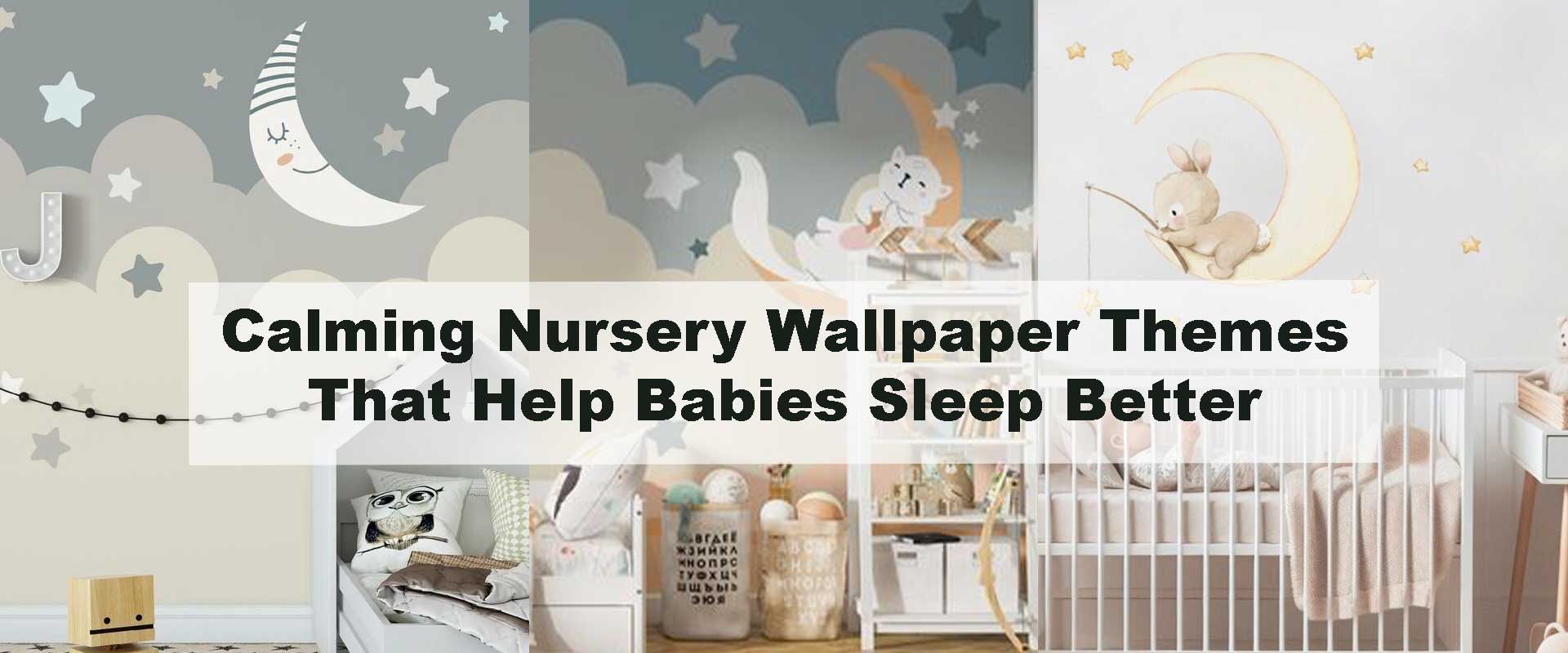
Calming Nursery Wallpaper Themes That Help Babies Sleep Better
Soft, nurturing visuals can make an extraordinary difference in a baby’s room, and few design choices shape that experience more than calming nursery wallpaper. Parents often discover that gentle color palettes, organic shapes, and nature-inspired motifs help create a sleep-ready atmosphere that encourages restful nights. Introducing soothing patterns early not only builds a peaceful environment but also establishes a predictable visual rhythm that benefits bedtime routines. The right theme acts like a quiet support system—subtle enough to relax the senses yet expressive enough to bring warmth and security to the nursery.
When parents begin selecting patterns, they quickly notice how certain themes naturally evoke comfort. A warm woodland scene, a muted pastel sky, or a tranquil botanical print can wrap the nursery in a serene ambiance that steadies overstimulation. Since many caregivers now prefer curated, therapeutic visual settings instead of noisy décor, calming wallpaper has become one of the most effective ways to support healthy infant sleep cycles. Pairing soft lighting and minimal furnishings with sleep-friendly designs like Nursery Wallpaper completes the atmosphere, making the room feel cohesive, affectionate, and ready for rest.
Why Calming Nursery Wallpaper Improves Sleep Quality
Nursery wallpapers that prioritize gentle tones and low-contrast patterns are often associated with improved sleep behavior. Babies respond strongly to their physical surroundings, and visual overstimulation can make winding down difficult. When the environment is filled with soft movement and predictable repetition, their eyes naturally relax. This encourages longer periods of quiet focus, which gradually shifts into sleepiness.
Color psychology also plays a significant role. Muted neutrals and pastels reduce cognitive stimulation and give the room a more enveloping feel. Themes like Neutral Nursery Wallpaper are especially useful because they balance emotional warmth with simplicity. Parents who incorporate such themes often notice smoother bedtime transitions, especially when combined with consistent routines such as lullabies, dim lighting, and gentle rocking.
Another key factor is how calming imagery influences nighttime associations. A restful wall design becomes a visual cue that signals comfort and safety. Research on infant developmental behavior regularly highlights the importance of environmental cues in establishing sleep habits. Parents often discover helpful insights when browsing guides such as How to Choose Nursery Wallpaper That Is Safe for Babies—a reference that naturally fits into conversations about sleep-supportive interiors.
The Science Behind Soothing Visual Environments
A baby’s brain develops rapidly in the first year, and their sensory processing systems absorb information continuously. For this reason, the visual environment must be stable, predictable, and comforting. Too much contrast or visual “noise” can overstimulate neurons responsible for attention and alertness. Sleep-friendly wallpaper reduces this burden because:
- Soft colors slow cognitive activation, preparing the mind for rest.
- Organic shapes encourage gentle eye movement, preventing hyper-focus.
- Consistent patterns reinforce familiarity, which builds emotional security.
- Nature-themed imagery aligns with innate human preferences for organic environments, known as biophilic calm.
Many parents find additional reassurance from resources such as Best Nursery Wall Murals for Gentle Bedtime Routines, where discussions often reinforce the importance of surroundings that minimize stress signals. When these principles are applied thoughtfully, nursery wallpaper becomes more than décor—it becomes a meaningful tool for shaping healthy sleep cycles.
Calming Nursery Wallpaper Themes That Promote Better Sleep
1. Soft Woodland Scenes
Woodland themes are among the most beloved calming nursery wallpaper choices because they represent nature in its most peaceful form. Gentle trees, softly sketched animals, and earthy undertones create a nest-like feeling. Designs within the Woodland Nursery Wallpaper use spacious composition and light shading to support a sense of openness while maintaining visual serenity.
Woodland designs help babies feel grounded due to their quiet storytelling style. Instead of overwhelming graphics, these wallpapers rely on slow movement—just enough variation to keep the eye engaged without causing overstimulation. Soft branches, tiny forest creatures, and distant hills evoke tranquility whether used on a feature wall or throughout the room. Parents often choose woodland themes for nurseries where a calm, storybook-like mood is essential.
2. Gentle Botanical Illustrations
Botanical themes introduce smooth curves, delicate leaves, and quiet color gradients that echo the softness of real nature. Designs in the Botanical Nursery Wallpaper collection help regulate the visual energy of a nursery because plant shapes naturally soften the environment. Babies respond well to repetitive organic patterns, which act like visual “white noise” that grounds their attention and minimizes restlessness.
Botanical wallpapers can also be tailored to specific atmospheres. Larger leaves are wonderful for creating a cozy, sheltered feel, while tiny sprouts or simple line art introduce subtlety without overwhelming the room. These styles work exceptionally well when paired with gentle lighting, textured bedding, and natural wood furniture. Parents seeking a timeless, long-term nursery aesthetic often lean toward botanical themes because they age gracefully as the child grows.
3. Dreamy Pastel Washes
Pastel themes lean into watercolor inspirations that mimic soft skies, gentle clouds, and fluid, airy forms. Options from the Pastel Nursery Wallpaper collection are especially effective for sleep because they avoid sharp edges and maintain low contrast. Pastel backdrops wrap the nursery in a dreamy, almost weightless feel—perfect for winding down after energetic daytime hours.
Another benefit of pastel wallpapers is their compatibility with nearly any décor style. Whether parents prefer modern crib designs, natural boho textiles, or Scandinavian simplicity, pastel wallpapers blend effortlessly. The overarching softness helps reduce visual fatigue for babies and provides an elegant, camera-friendly background for nursery photography.
4. Soft Animal-Inspired Illustrations
Animal themes often bring joy into the nursery, but when designed with subtlety, they also contribute to sleep readiness. Styles within the Animal Nursery Wallpaper section focus on cuddly personalities, muted tones, and rounded forms that are gentle on the eyes. Instead of energetic wildlife scenes, calming versions emphasize stillness, warmth, and companionship.
These themes create an emotional bond because babies instinctively respond to faces and characters that feel friendly. When animals appear in soft outlines or pastel palettes, the room gains a peaceful charm that complements bedtime quietness. Parents who want a playful yet gentle mood often choose this direction.
5. Soft Space & Sky Themes
Space themes don’t always need to be bold or high-contrast. When illustrated in muted hues, nighttime sky wallpapers become comforting rather than stimulating. Designs found in the Space Nursery Wallpaper collection use floating shapes, gentle gradients, and whimsical stars to evoke wonder without excitement. These themes are ideal for creating restful nighttime rituals, encouraging babies to associate bedtime with softness rather than activity.
Soft moons, tiny planets, and sleepy constellations create a sense of floating calm around the crib. When paired with warm dim lighting, space-themed wallpaper becomes an atmospheric cocoon that promotes relaxation.
6. Safari Gentle-Toned Murals
When safari themes emphasize warmth instead of intensity, they inspire slow, cozy energy that helps babies settle at the end of the day. The Jungle Safari Nursery Wallpaper collection includes friendly animals, sun-washed backdrops, and handcrafted brushwork that soften the adventurous theme.
Gentle lions, soft elephants, and sleepy giraffes create a joyful presence without overwhelming the room with bright color. These wallpapers are perfect for parents who want a subtle storytelling moment that supports both imagination and rest.
The Best Color Palettes for Sleep-Friendly Nurseries
Color is one of the strongest emotional cues in a nursery, shaping how quickly a baby’s senses settle and how smoothly bedtime routines unfold. While wallpaper themes guide the overall narrative, the underlying color palette determines the room’s emotional temperature. Babies are especially sensitive to shifts in light and shade, which means the hues surrounding them should feel soft, stable, and easy on the eyes. Gentle tones help slow overstimulated attention, making it easier for infants to drift from wakefulness to a calm, sleepy state.
Warm Neutrals
Warm neutrals introduce a nurturing, cocoon-like embrace that instantly softens the room. Shades such as cream, oat, muted sand, and almond dissolve visual harshness and create a steady, grounded backdrop. These colors help regulate sensory input and are particularly effective during evening hours when dimmer lighting enhances their soothing warmth. Parents who choose warm neutrals often find that the room takes on a timeless calm that feels comforting day and night.
Powder Blues & Misty Greens
Inspired by sky and meadow tones, powder blues and misty greens offer a quiet, nature-driven tranquility. They mimic the feeling of open air—expansive enough to relax the mind, yet gentle enough to maintain a peaceful rhythm. These colors are ideal for parents seeking soft freshness without stimulation. Babies respond well to the cool serenity of these hues, especially in rooms that receive natural daylight, where the colors shift subtly throughout the day to maintain a serene ambience.
Lavender, Taupe, and Muted Rose
For nurseries with a tender, dreamy undertone, lavender, taupe, and muted rose provide a delicate balance of warmth and softness. These hues introduce emotional comfort without becoming visually heavy. Lavender brings airy calm, taupe grounds the space with understated depth, and muted rose adds a hint of warmth perfect for gender-neutral, cozy moods. Their quiet elegance creates harmony across textiles, wallpaper, and décor, which is why insights from resources like Top Nursery Wallpaper Colors That Support Early Learning often highlight them as leading choices for rest-focused rooms.
Together, these palettes help shape a nursery atmosphere where every shade supports relaxation, making bedtime routines more predictable and sleep more restorative.
How Patterns Influence Infant Restfulness
Patterns do more than decorate a nursery—they shape how a baby’s eyes move, rest, and explore. Infants naturally follow gentle visual rhythm, and wallpapers with predictable movement help calm the mind rather than activate it. When chosen intentionally, pattern styles support the same soothing effect as a soft lullaby or rhythmic rocking. They offer quiet engagement without overstimulation, guiding babies into a restful state with visual cues that feel safe, familiar, and unhurried.
Large, Soft-Edged Motifs
Large motifs with diffused edges encourage the eyes to float without fixating sharply. They slow visual scanning and reduce energetic bursts of attention, which can help babies transition toward sleep. Cloud shapes, rounded leaves, softly drawn animals, and watercolor silhouettes are particularly effective because they maintain movement without intensity.
Small, Repetitive Elements
Small, rhythmic repeats operate like gentle visual white noise. Their subtle predictability helps the cognitive system settle into a low-stimulation mode, making the nursery feel steady and secure. Tiny botanical leaves, clustered stars, or evenly spaced dots work beautifully for this purpose, especially in rooms where parents want a quiet, uniform visual field.
Low-Contrast Designs
Contrast plays a major role in how stimulating a pattern feels. Low-contrast wallpapers are kinder to developing eyes, especially during nighttime feedings when harsh edges or bright tones can feel jarring. Designs with tone-on-tone shading or soft pastels ensure the nursery remains peaceful whether the room is bright at noon or softly lit at dusk.
Flowing, Horizontal Layouts
Horizontal patterns create gentle motion that mirrors natural landscapes—rolling hills, drifting clouds, or layered horizons. These layouts visually widen the room, but more importantly, they help settle restless energy. Their slow, left-to-right movement guides the eyes in a calm, predictable direction, ideal for bedtime routines when overstimulation must be kept low.
When patterns are chosen with care, they support a baby’s natural sleep rhythms by offering comfort, stability, and gentle engagement. The aim is never to overwhelm the senses, but instead to create an environment where calmness feels effortless.
Best Calming Themes and Their Sleep Benefits
| Theme | Mood It Creates | Best For | Why It Supports Sleep |
|---|---|---|---|
| Woodland | Warm, quiet, grounded | Cozy nurseries | Organic shapes and earthy tones create security |
| Botanical | Gentle, fresh, clean | Gender-neutral spaces | Repetitive leaf shapes reduce visual tension |
| Pastel Watercolor | Airy, dreamy, fluid | Small or bright rooms | Low contrast reduces overstimulation |
| Soft Animal Illustrations | Friendly, nurturing | Playful yet calm rooms | Emotional comfort helps babies settle |
| Space & Sky | Floating, imaginative | Nighttime-oriented nurseries | Muted cosmic shapes support bedtime rituals |
| Gentle Safari | Warm, story-driven | Themed nurseries | Soft characters add emotional warmth |
Lighting, Furniture, and Décor That Complement Calming Wallpaper
Calming nursery wallpaper reaches its full potential when paired with lighting that gently supports its visual softness. Warm, amber-leaning bulbs in the 2700K range help muted palettes glow in a soothing way, especially during the evening wind-down. Diffused overhead fixtures prevent harsh shadows, while lamps fitted with fabric shades or frosted glass spread light in a velvety, sleep-friendly manner. When illumination behaves gently across the walls, patterns feel softer, calmer, and more welcoming during nighttime feeding or early morning settling.
Furniture adds its own layer of comfort to the overall atmosphere. Rounded cribs, natural wood dressers, and softly upholstered seating pieces reinforce the nursery’s gentle rhythm without introducing visual tension. Avoid high-gloss finishes or bold, reflective surfaces that compete with the wallpaper’s serenity. Instead, lean toward matte, tactile materials that invite relaxation. Linen curtains, woven baskets, and plush rugs ground the room with quiet texture, ensuring décor enriches the wallpaper instead of crowding it.
This thoughtful combination of lighting, furniture, and texture creates a cohesive sensory environment—one where every detail contributes to emotional ease. When the goal is deeper sleep and peaceful routines, a nursery shaped with harmony in mind becomes an invaluable companion for both baby and caregiver.
Practical Tips for Choosing Calming Nursery Wallpaper
1. Prioritize Low-Contrast Designs
Soft transitions between shapes and colors help prevent overstimulation. Low-contrast motifs encourage a slow, gentle visual drift that naturally prepares babies for rest.
2. Choose Colors That Match Your Lighting Conditions
Natural daylight, warm evening light, and nighttime lamps can shift tones noticeably. Testing wallpaper at different times helps ensure the nursery remains peaceful under all conditions.
3. Consider Long-Term Use
A wallpaper that feels calming today should also age gracefully as your child grows. Neutral botanicals, soft woodland scenes, and watercolors adapt well through toddler and early childhood years.
4. Test Samples in Different Light
Place samples near the crib, changing table, and reading area. Watching how they behave morning to night reveals the design that maintains calmness throughout the day.
5. Coordinate Bedding and Décor
Matching the wallpaper’s softness with linens, textiles, and accessories reinforces a harmonious atmosphere. Repeating gentle hues across bedding, curtains, and rugs builds a cohesive visual story that steadies the senses.
6. Check Breathability and Safety
Parents often reference guidance like How to Choose Nursery Wallpaper That Is Safe for Babies to ensure materials are gentle, breathable, and appropriate for a sleep-focused environment. Prioritizing non-toxic, stable finishes supports both comfort and peace of mind.
Conclusion
Calming nursery wallpaper has become one of the most meaningful design choices parents can make when creating a sleep-ready environment for their baby. By prioritizing soft colors, nature-inspired patterns, and gentle visual rhythm, caregivers craft a sanctuary where little ones can relax, drift into rest, and feel secure throughout the night. Themes such as woodland scenes, watercolor pastels, and botanical illustrations bring warmth and stability to the nursery without overwhelming the senses. Whether paired with dim lighting, natural furniture, or minimalist décor, these wallpapers shape a peaceful foundation that benefits both sleep routines and emotional comfort. Choosing the right calming nursery wallpaper truly sets the stage for better nights, smoother bedtimes, and a room that wraps the baby in consistent, nurturing calm.