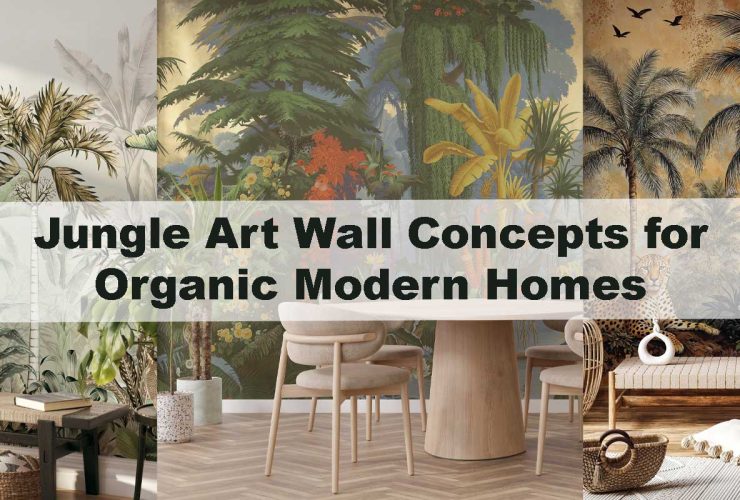
Jungle Wilderness Scenes Adding Immersive Visual Texture
Jungle wilderness scenes bring an immediate sense of depth, movement, and natural richness to any room, creating an atmosphere that feels both grounded and alive. When these visuals blend layered foliage, soft shadows, and dynamic plant silhouettes, the walls gain a kind of quiet motion that subtly shifts throughout the day. Using jungle wilderness patterns is especially impactful for interiors seeking immersive visual texture, and they work beautifully alongside natural materials like linen, rattan, or light-washed wood. Many homeowners choose these designs for the way they stretch the room visually, a quality enhanced further with options inspired by Jungle Tropical Wallpapers. By blending calm greenery with organic flow, jungle wilderness scenes create walls that feel textured, dimensional, and deeply connected to nature.
Why Jungle Wilderness Scenes Feel More Immersive
Layered Depth That Expands the Room
Layered foliage is one of the primary reasons jungle wilderness wallpaper feels so dynamic. When leaves overlap at varying heights, the space gains depth that can make compact rooms feel more open—similar to insights shared inside How Can Tropical Wallpaper Make Small Rooms Feel Larger?. These layered effects create subtle transitions between foreground and background, which increase the perception of distance even on a flat surface. Homes with low ceilings often benefit from vertical leaf structures, while wider spaces respond beautifully to sweeping rainforest silhouettes.
Natural Shadow Movement With Soft Gradients
Many jungle wilderness scenes rely on diffused shadows, blurred leaf edges, and gentle gradients to mimic actual forest lighting. These visual choices keep the wall from feeling static, helping the room feel alive without overwhelming it. Softer contrasts offer a quieter immersive quality, perfect for warm, grounded spaces that want visual richness without bold color intensity. Patterns from the moody palettes collection can tone down the space while still keeping that organic motion.
When Realistic Wilderness Works Best in Homes
Ultra-realistic scenes—dense understory foliage, trailing vines, or deep-shadow waterfalls—tend to shine in spaces designed as calm retreats. Bedrooms, lounges, and personal reading corners benefit from the cinematic feeling of these murals. The immersive silhouettes you see in some rainforest-inspired designs create a sanctuary-like atmosphere, quietly transforming the emotional tone of the room. Such detailed wilderness scenes pair exceptionally well with earthy textures like cane, bamboo, unfinished oak, or matte pottery.
Mood Effects Created by Jungle Wilderness Texture
Calming Atmosphere Through Organic Harmony
Jungle wilderness visuals naturally mimic the rhythms of nature—curved stems, widened leaves, and flowing foliage—and these elements help reduce visual tension in the room. Many homeowners choose soft wilderness scenes because the shapes promote relaxation while still offering visual interest. This balance is similar to the grounded calm discussed in Tropical Wallpaper for Family Rooms Seeking Warm Seasonal Vibes, which highlights how earthy green tones improve interior comfort.
Energizing Rooms With Dynamic Foliage Motion
If the goal is energy and vibrancy, designs with directional movement and high-contrast greenery work beautifully. These subtle directional flows—whether upward, diagonal, or swirling—help shape the mood of the room by adding gentle movement. For homes with bright natural lighting, upward-moving designs amplify that energy, making the room feel refreshed and visually uplifted. Styles within the fresh green designs category often provide excellent motion without overpowering the space.
Tailoring Mood With Color Variations
Color determines whether a wilderness pattern feels bold or serene. Deep greens and charcoal shadows create a moody, intimate tone, while lighter sage and fern tones keep the room breezy. Touches of muted gold or warm beige can shift the atmosphere toward subtle luxury when used sparingly. Rooms with minimal décor benefit greatly from tonal wilderness designs, especially when choosing softer palettes or watercolor murals with painterly texture.
How Wilderness Texture Enhances Different Room Types
Living Rooms With Textured Green Atmospheres
Jungle wilderness murals give living rooms a sense of structure and intention, transforming a plain wall into a natural focal point. When placed behind a sofa or along a long open wall, layered greens create a gentle gradient that visually guides the room, adding calm energy without overwhelming the space. These lush scenes pair beautifully with simple silhouettes, creating harmony between furniture and wall texture. The warm tonal balance mirrors the grounded comfort often associated with nature-inspired interiors, helping the entire room feel unified and thoughtfully composed.
Bedrooms That Feel Wrapped in Nature
Bedrooms respond beautifully to wilderness murals because the layered depth and soft shadow transitions create an atmosphere that feels cocoon-like and serene. When the design sits behind the headboard, it frames the sleeping area with subtle movement, offering visual comfort without harsh contrast. If the mural extends onto adjacent walls, the room gains a wraparound softness that mimics the quiet stillness of a forest clearing. Designs that shift gradually from deep foliage to lighter gradients maintain restfulness while still offering immersive texture.
Dining Rooms With Dramatic Focal Energy
Dining rooms benefit greatly from dramatic wilderness scenes because they transform mealtimes into atmospheric experiences. Deep silhouettes, trailing vines, and bold contrasts anchor the space with visual richness that feels intentional and elevated. These murals create a natural sense of gathering, adding depth that complements warm lighting and wooden dining setups. The layered tones offer a subtle theatrical quality—perfect for rooms meant to feel engaging and expressive—echoing the balanced drama found in jungle-inspired spaces.
Styling Homes Around Jungle Wilderness Wallpaper
Natural Materials That Strengthen Texture
Natural materials amplify the grounded feeling of wilderness murals, creating a seamless transition between the printed foliage and tangible textures in the room. Rattan chairs, cane-woven panels, hand-thrown ceramics, and cotton fabrics reinforce the organic character of the wall. Wood tones—from pale ash to deep walnut—enrich the foliage by adding warmth and stability. Pairing these elements with selections from the forest-inspired themes creates a calm, cohesive environment where every detail feels intentionally connected to nature.
Using Lighting to Highlight Layered Details
Lighting plays a crucial role in bringing wilderness murals to life. Soft warm lights enhance the greens and shadows, making the foliage feel more dimensional during evening hours. Indirect lighting deepens gradients and adds a diffused glow, allowing the design to maintain a soothing presence. When natural light hits these murals during the day, the subtle tonal shifts become more pronounced, creating a sense of quiet motion across the leaves. Light reflecting off raw materials like linen, clay, or matte wood adds another layer of natural texture.
Furniture Shapes That Support Natural Flow
Furniture shapes that echo the gentle movement of foliage can elevate the wilderness atmosphere significantly. Rounded sofas, curved sideboards, circular coffee tables, and arched shelving feel harmonious next to organic leaf patterns. These forms soften the room’s lines, helping the eye move smoothly across the space. Clean, minimal silhouettes allow the wallpaper to remain the primary mood-setter while still offering comfort and visual clarity. This balance creates a room that feels both contemporary and deeply connected to nature.
Choosing the Right Wilderness Style for Your Home
Realistic vs. Stylized Foliage
Realistic murals are ideal for homes seeking cinematic ambiance, with detailed leaf textures, pronounced shadows, and rich botanical accuracy. These designs create a feeling of stepping into nature itself. Stylized wilderness patterns, such as watercolor botanicals or brushstroke foliage, provide an artistic interpretation that feels lighter and more expressive. Minimalist spaces often favor stylized designs for their clean edges and gentle flow, while maximalist interiors benefit from the vivid richness of true-to-life wilderness artwork.
Soft Wilderness Scenes for Smaller Interiors
Smaller interiors thrive with soft wilderness scenes that emphasize light gradients and airy foliage. These visuals reduce visual weight while still offering the lush appeal of nature. Gentle transitions between tones allow the room to remain open and balanced, preventing any feeling of heaviness. This approach works exceptionally well for compact bedrooms, cozy corners, and calm living areas that require subtle movement rather than bold definition. The effect is soothing, spacious, and visually breathable.
Dramatic Wilderness for Feature Walls
Feature walls provide the perfect setting for bold wilderness designs with deeper shadows, textured silhouettes, and dramatic tonal layers. These richer patterns create purposeful impact in hallways, dining rooms, and modern living spaces where contrast is desired. They can stand alone as a focal point or anchor an otherwise minimal room with sophisticated depth. For homeowners wanting a strong visual statement, deeper foliage or safari-inspired themes add atmospheric richness and immersive tone.
Color Palettes That Complement Wilderness Texture
Greens That Build Visual Harmony
Greens act as the foundation for wilderness murals, offering balance and continuity across the room. Shades like eucalyptus, olive, deep moss, and fern create a natural canvas that connects furnishings and décor effortlessly. These tones are inherently calming, providing stability and flow from one surface to another. Soft greens enhance visual unity by smoothing transitions between furniture, flooring, and wallpaper, making the room feel thoughtfully layered.
Warm Neutrals That Anchor the Space
Warm neutrals—beige, taupe, sand, and gentle greys—act as grounding elements that stabilize textured foliage scenes. These tones absorb some of the mural’s visual movement, preventing the room from feeling too busy or energetic. They work particularly well in bright interiors, where sunlight can accentuate both the wallpaper and the surrounding materials. When paired with wilderness murals, warm neutrals allow the eye to rest while still supporting the natural theme.
Deep Accents for Dramatic Contrast
Deep charcoal, muted bronze, forest green, and subdued gold accents add sophisticated contrast to wilderness wallpapers. Used thoughtfully in cushions, lamps, frames, or a feature cabinet, these tones highlight the mural’s darker gradients and bring a refined sense of dimension. They enhance the mural’s layers without competing for attention, allowing the overall composition to feel curated and immersive. This subtle contrast transforms the room into a space that feels luxurious yet grounded.
Furniture & Décor Pairings That Enhance Wilderness Texture
Upholstery Choices
Upholstery in earthy tones—olive, beige, soft brown, muted terracotta—supports wilderness murals by echoing their natural palette. Fabrics with gentle texture, such as linen, tweed, or cotton blends, pair seamlessly with foliage patterns and enhance the sense of organic flow. These materials keep the room grounded and create a cohesive foundation that lets the wallpaper’s texture shine.
Earthy Décor Accents
Earthy accents like clay pottery, stone sculptures, woven baskets, and wooden frames elevate the natural mood of wilderness-themed rooms. These handcrafted elements add tactile richness that complements the mural’s visual depth. Their muted tones and raw textures strengthen the connection between the printed foliage and the surrounding décor, giving the space a well-composed, nature-centered atmosphere.
Indoor Plants for Added Natural Depth
Indoor plants complete the wilderness experience by blending physical greenery with printed textures. Ferns, palms, rubber plants, and trailing vines work especially well, enhancing depth and natural harmony. Plants soften corners, frame furniture, and create seamless transitions between the mural and the room’s layout. This synergy makes the room feel vibrant, refreshing, and deeply connected to nature.
Wilderness Scenes vs Other Tropical Styles
| Feature | Jungle Wilderness Scenes | Tropical Leaf Murals | Watercolor Botanical Styles |
|---|---|---|---|
| Visual Density | Medium to high | Medium | Low to medium |
| Mood | Immersive, textured, natural | Fresh, balanced | Gentle, artistic |
| Best For | Feature walls, living rooms, retreats | Bedrooms, living spaces | Calm corners, soft interiors |
| Motion Effect | Strong depth & shadow | Soft directional flow | Blurred artistic transitions |
| Styling Difficulty | Easy | Very easy | Very easy |
| Lighting Response | Warm tones enhance depth | Works with all lighting | Best with natural daylight |
How to Place Wilderness Wallpaper for Best Impact
Behind Main Furniture Pieces
Placing wilderness murals behind main furniture pieces—such as the bed, sofa, or dining cabinet—turns the wall into a natural backdrop that anchors the entire room. The furniture creates a grounded visual frame, allowing the lush foliage and soft shadows to feel intentional rather than overwhelming. This arrangement also highlights layered leaf details without competing with other décor, giving the room a calm, organized structure that still feels rich in texture.
Feature Wall Strategies
A feature wall offers the perfect opportunity to showcase dramatic wilderness texture with depth and flow. Choosing the wall that receives natural daylight helps the mural shift subtly throughout the day, enhancing immersive qualities as shadows and tones gently transform. This effect is especially striking with murals that use soft gradients or deep silhouettes, creating a subtle moment of visual movement every time someone steps into the space. A carefully chosen feature wall can define the room’s character with minimal effort.
Full-Room Coverage
Full-room coverage is ideal for homeowners who want an enveloping natural atmosphere that mimics an indoor retreat. When all four walls carry the wilderness texture, the space gains a seamless forest-like ambiance that feels both intimate and expansive. The key is balancing this richness with neutral furnishings and natural materials—keeping textures soft, shapes simple, and accents minimal. This approach ensures the room remains comfortable and grounded while still enjoying the full impact of immersive greenery.
Maintenance Tips for Wilderness Wallpapers
Keeping Colors Vibrant
Maintaining the vibrancy of wilderness wallpaper requires gentle care and mindful light exposure. Soft dusting helps preserve the print’s clarity, while avoiding harsh direct sunlight prevents premature fading. Curtains or light-filtering blinds can regulate brightness, allowing natural light to enhance the gradients without bleaching the tones. Over time, these small habits help retain the richness and depth that make wilderness scenes so captivating.
Pairing With Seasonal Décor
Wilderness murals adapt beautifully to seasonal updates, making the room feel refreshed throughout the year. Autumn décor, with its warm browns and soft oranges, adds cozy contrast to deep leafy greens. Winter creams maintain a soft, airy calm against the textured backdrop. Spring and summer greens harmonize naturally, creating a bright and rejuvenating mood. Because wilderness tones are evergreen, seasonal accents layer smoothly without disrupting the room’s overall balance.
Longevity Through Minimal Visual Clutter
Keeping décor minimal ensures the immersive effect of the mural remains the room’s central focus. Wilderness scenes rely on layered foliage, shadow depth, and flowing gradients—all of which shine best when the surroundings aren’t overcrowded. Using fewer décor pieces with thoughtful placement allows the mural to breathe and maintain its natural rhythm. Over time, this approach helps the space feel timeless, well-composed, and visually soothing.
Frequently Asked Questions
1. Do jungle wilderness wallpapers make a room feel more textured?
Yes. Jungle wilderness wallpapers add layered foliage, soft gradients, and shadow depth that visually enrich the wall surface. These elements create a textured feel without adding physical bulk, making the room appear more dimensional and lively. The result is a calm yet immersive atmosphere that works beautifully in both large and small interiors.
2. Are wilderness scenes suitable for compact rooms?
They work exceptionally well in compact rooms when the pattern includes soft shadows and gradual tonal transitions. These murals introduce depth that can make the walls seem farther away, helping the space feel more open. Choosing lighter greens or airy foliage ensures the room stays bright and inviting.
3. Which rooms benefit most from jungle wilderness designs?
Living rooms, bedrooms, dining areas, and relaxation corners often benefit the most. These spaces respond well to the visual movement found in wilderness scenes, whether through vertical foliage, soft shadows, or layered greenery. Each room gains a natural calm that enhances comfort and style.
4. Should I choose realistic or stylized wilderness patterns?
It depends on the atmosphere you want. Realistic designs create rich cinematic depth and work beautifully in intimate rooms. Stylized or watercolor-inspired scenes feel softer and more artistic, ideal for minimal spaces that need a gentle touch of nature. Both offer immersive qualities but create different moods.
5. Do wilderness wallpapers pair well with modern furniture?
Yes. Modern furniture—with clean lines, soft curves, and neutral fabrics—creates a perfect balance with the organic flow of wilderness visuals. These pairings prevent visual clutter while still allowing the room to feel grounded and nature-connected. Natural materials like wood or woven textures enhance the look even further.
6. How do lighting conditions affect wilderness murals?
Lighting can transform the atmosphere significantly. Warm lighting deepens greens and shadows, adding more dimension. Natural daylight softens gradients and highlights gentle movement in the leaves. Using indirect lighting helps create a tranquil glow that supports the immersive feel.
7. Can indoor plants be combined with wilderness scenes?
Absolutely. Indoor plants amplify the natural atmosphere and help blur the line between printed and real foliage. Even a few well-placed plants can enhance depth, create visual harmony, and make the wallpaper feel like a true extension of nature.
8. Are jungle wilderness wallpapers easy to style with seasonal décor?
Yes. Because they’re rooted in natural tones, these murals adapt beautifully to seasonal décor—warm browns in autumn, soft creams in winter, or fresh greens in summer. The wilderness background stays visually stable while complementing each seasonal palette effortlessly.
9. Do wilderness wallpapers feel too bold for calm interiors?
Not necessarily. Many wilderness scenes focus on soft gradients, gentle shadows, and balanced foliage, allowing them to maintain a peaceful tone. Choosing lighter colors or less dense patterns keeps the room airy and soothing without losing the immersive natural feel.
Conclusion
Jungle wilderness scenes offer one of the most textured, immersive, and emotionally rich ways to elevate a living space. Their layered depth, organic flow, and gentle tonal shifts bring nature indoors in a way that feels calm yet full of life. Whether used in living rooms, bedrooms, dining areas, or focused corners, these designs introduce visual texture that changes subtly with the day’s light. By pairing wilderness murals with natural materials, grounded color palettes, and simple décor, homeowners can craft interiors that feel warm, holistic, and deeply connected to nature. For anyone seeking meaningful visual atmosphere, jungle wilderness scenes remain a timeless choice with endless styling possibilities.