Nursery Wallpaper Ideas Inspired by Children’s Storybooks
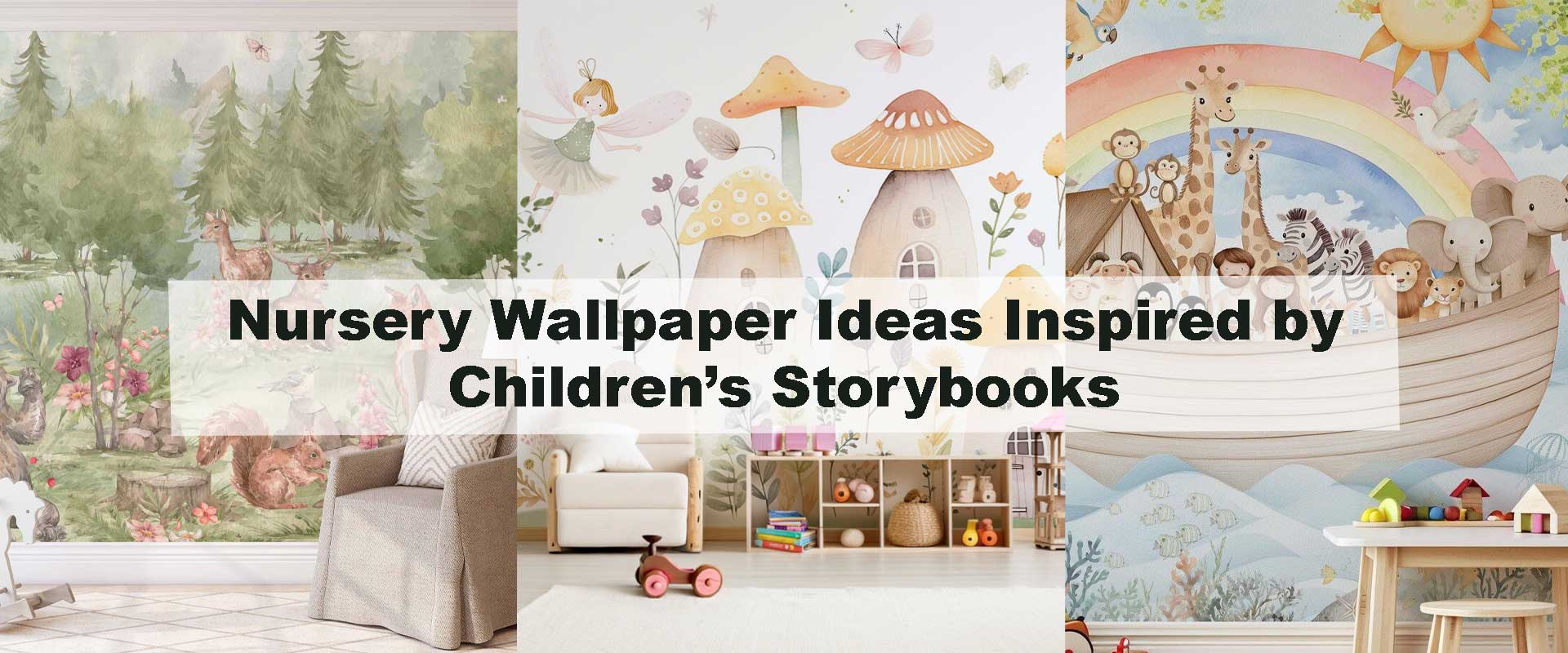
Creating a nursery that feels warm, imaginative, and emotionally grounding often starts with the walls. Nursery wallpaper ideas inspired by children’s storybooks bring gentle narratives into everyday surroundings, turning the room into a space that feels comforting from the very first day. These designs echo the soft illustrations children connect with during early development, offering visual familiarity that supports calm, curiosity, and a sense of safety.
Rather than relying on loud patterns or fleeting trends, storybook-inspired wallpapers focus on timeless illustration styles, muted palettes, and slow visual storytelling. The result is a nursery that feels thoughtful and layered, allowing imagination to unfold naturally while still supporting rest and routine.
Animal Storybook Characters That Invite Interaction
Animals sit at the heart of many treasured childhood stories, which is why they translate so naturally onto nursery walls. Softly illustrated bears, rabbits, elephants, and birds feel approachable and expressive, capturing emotion through posture and movement rather than exaggerated features. This gentle realism keeps the imagery engaging without tipping into overstimulation, allowing children to connect calmly with what they see around them.
When animals are placed within story-driven landscapes—walking through forests, resting beneath trees, or interacting subtly with one another—the wall begins to feel like a living scene rather than a collection of motifs. These compositions support early emotional recognition as children learn to interpret expressions, relationships, and moods through visual cues. Parents often choose this illustrated approach when selecting Animal Nursery Wallpaper because it balances playfulness with softness, creating walls that remain comforting and relevant well beyond the baby stage.
Soft Storybook Color Palettes That Support Rest
Color plays a powerful role in how a nursery feels, and storybook-inspired designs are defined by their thoughtful restraint. Instead of sharp contrasts or saturated tones, these wallpapers lean into washed pastels, warm creams, muted greens, and gentle earth shades. This approach echoes traditional story illustrations, where color is used to guide emotion rather than dominate the page.
These softened palettes help the room feel settled and predictable, supporting sleep routines and emotional ease throughout the day. Gentle color transitions allow the eye to move slowly across the wall, reinforcing a sense of calm rather than stimulation. Parents seeking light-filled, soothing interiors often complement illustrated designs with hues similar to those found in Pastel Nursery Wallpaper, creating spaces that feel airy, nurturing, and visually harmonious from morning through bedtime.
Comparing Popular Storybook Nursery Styles
| Storybook Theme | Visual Character | Ideal Nursery Mood | Long-Term Appeal |
|---|---|---|---|
| Fairytale forests | Soft and whimsical | Calm and imaginative | Very high |
| Animal adventures | Warm and playful | Friendly and engaging | High |
| Pastel story scenes | Light and airy | Peaceful and soothing | High |
| Vintage illustration | Artistic and timeless | Elegant and nostalgic | Very high |
This overview helps parents align illustration styles with their emotional goals for the nursery, whether that means tranquility, imagination, or long-term flexibility.
Blending Storybook Wallpaper With Furniture and Decor
The most successful storybook-inspired nurseries feel curated rather than crowded, and that balance starts with how furniture and decor are chosen around the walls. Illustrated wallpaper already carries narrative detail, so clean-lined furniture helps anchor the space visually. Natural wood finishes, softly rounded silhouettes, and matte textures allow the artwork on the walls to remain expressive without competing for attention.
Instead of introducing new colors through furniture, echo the wallpaper’s quieter tones in subtle ways. Cushions, blankets, lampshades, or floating shelves that repeat a single shade from the illustration create cohesion across the room. This layered approach gives the nursery depth and warmth while ensuring the overall mood stays calm, intentional, and emotionally grounding.
Creating Reading Corners That Feel Like Story Worlds
Reading corners become especially meaningful when they feel connected to the visual story unfolding on the walls. Storybook wallpaper acts as a gentle backdrop that frames shared moments, making reading time feel immersive rather than scheduled. A comfortable chair, soft rug, and warm, low-level lighting invite stillness and focus, allowing the illustrated scene to quietly support the experience.
Over time, children begin associating these corners with comfort, voice, and closeness. The characters and landscapes surrounding them become familiar companions during stories, reinforcing emotional security. As imagination develops, the walls stop being decoration and start functioning as part of the narrative itself, deepening the child’s relationship with both space and storytelling.
Supporting Calm Bedtime Routines With Storybook Walls
Bedtime routines rely heavily on environmental cues, and storybook-inspired nursery wallpaper plays a subtle but powerful role in signaling rest. Familiar illustrations offer visual reassurance, helping children transition from stimulation to calm without abrupt changes. Unlike bold patterns, these designs encourage the eye to settle, supporting a slower, more peaceful rhythm in the evening.
Soft artwork, gentle spacing between elements, and smooth color transitions all contribute to an atmosphere that naturally winds down the day. This effect aligns closely with ideas shared in Best Baby Room Wall Colors to Pair With Patterned Nursery Wallpaper, where wall choices are shown to influence emotional regulation. When thoughtfully selected, storybook walls quietly become part of the bedtime ritual itself, offering comfort long after the lights dim.
Frequently Asked Questions
Are storybook-inspired nursery walls suitable for modern homes?
Yes. When paired with simple furniture and neutral accessories, illustrated designs add warmth without disrupting clean, modern interiors.
Can these designs work in small nurseries?
Absolutely. Using a single illustrated wall or lighter color palettes keeps the room feeling open and balanced.
Do storybook wallpapers feel too childish over time?
Well-chosen illustrations tend to age gracefully, remaining engaging from infancy through early childhood.
Are illustrated walls calming for babies?
Soft colors and gentle imagery are often more soothing than bold, high-contrast patterns.
Final Thoughts
Nursery wallpaper ideas inspired by children’s storybooks create more than beautiful rooms—they shape emotional experiences. Through gentle illustration, calming color, and thoughtful storytelling, these designs turn nursery walls into quiet companions during play, rest, and bonding moments.
By choosing storybook-inspired walls that feel timeless and balanced, parents create spaces that nurture imagination while supporting calm routines. The nursery becomes a place where stories begin, comfort is constant, and early memories quietly take shape—long before the first book is held in small hands.