Peel & Stick vs Paste Wallpaper – Which Should You Choose?
Choosing the right wallpaper can completely redefine a room’s atmosphere—but before falling for a pattern, it’s important to decide how you’ll install it. The debate of peel & stick vs paste wallpaper often comes down to lifestyle, permanence, and practicality. Peel & stick options promise convenience and flexibility, while traditional paste wallpapers offer endurance and elegance. Both can create stunning results, from soft floral bedrooms to bold statement walls. Understanding the strengths and drawbacks of each helps you find the perfect balance between effortless design and long-lasting beauty.
Why Your Wallpaper Type Matters
Wallpaper isn’t just decoration—it’s part of your home’s foundation of style. The way it’s applied affects not only the appearance but also maintenance, durability, and even how the pattern aligns. If you’ve ever admired a flawlessly smooth wall of vintage florals or a moody dark botanical mural, chances are paste wallpaper gave it that seamless finish. On the other hand, renters and design enthusiasts often prefer the flexibility of peel & stick for quick updates or creative makeovers without commitment.
Choosing wisely between peel & stick vs paste wallpaper ensures that your chosen design—whether a floral wallpaper or a modern geometric print—retains its beauty and integrity for years.
What Is Peel & Stick Wallpaper?
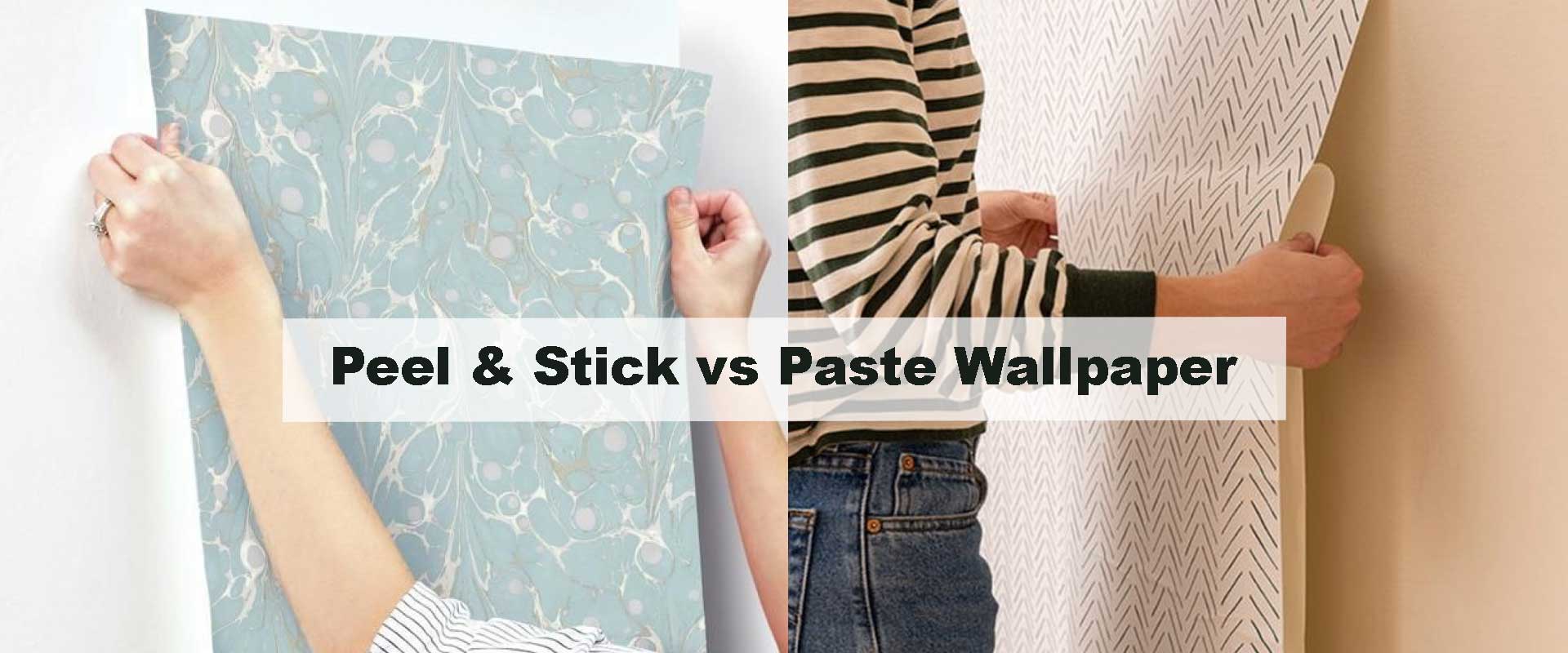
Peel & stick wallpaper is a self-adhesive wall covering designed for easy installation without paste, water, or professional tools. Simply peel off the backing and smooth it onto the wall—no mess, no drying time. It’s often used for fast transformations or renter-friendly makeovers.
Its growing popularity comes from how well it imitates high-end textures while being entirely removable. Styles like aesthetic floral wallpapers make it possible to bring artistry into compact apartments or temporary interiors without damaging the paint underneath.
Advantages of Peel & Stick Wallpaper
- Quick Installation: It’s the ultimate DIY option—just peel, align, and apply.
- Residue-Free Removal: Comes off cleanly, leaving walls undamaged.
- Reusable Designs: Premium vinyl types can be repositioned multiple times.
- Perfect for Small Projects: Great for feature walls, nooks, or shelving accents.
- Mess-Free Process: No paste, no brushes, no cleanup—ideal for renters and beginners.
When styled creatively, peel & stick wallpaper can make small rooms appear brighter or more dynamic. Designs such as modern floral wallpapers are perfect for creating this effortless charm.
Drawbacks of Peel & Stick Wallpaper
While convenient, peel & stick wallpaper has limitations. Its adhesive is pressure-sensitive and can struggle with textured or uneven walls. In humid environments, it might start to peel at the corners, particularly around bathrooms or kitchens.
Because it’s thinner than paste-applied varieties, small wall imperfections may show through. It’s also less resistant to wear in high-traffic areas. For spaces demanding longevity—like living rooms or entryways—traditional paste wallpaper remains the stronger option.
What Is Paste Wallpaper?
Paste wallpaper, often called traditional or pre-pasted wallpaper, uses adhesive applied either to the wall or the back of the wallpaper sheet. It’s the industry standard for professionals and design purists seeking precision alignment, durability, and an impeccable finish.
This type of wallpaper is available in countless materials—from vinyl and fabric-backed to non-woven blends. The bonding process provides a robust hold, helping intricate designs like vintage floral wallpapers retain their elegance for years without lifting or curling.
Advantages of Paste Wallpaper
- Unmatched Durability: Adheres strongly for long-lasting results.
- Professional Finish: Enables perfect pattern alignment with no visible seams.
- Moisture Resistance: Vinyl or coated types perform well in humid areas.
- Design Versatility: Supports heavy textures and large-scale prints.
- Refined Texture: Delivers depth and sophistication ideal for luxury interiors.
Paste wallpaper also complements layered interior concepts. For instance, pairing elegant watercolor florals with wood tones—as seen in watercolor floral wallpapers—can turn ordinary walls into works of art.
Drawbacks of Paste Wallpaper
The main downside is effort. Applying paste wallpaper takes time, space, and precision. You’ll need to measure carefully, mix or apply paste evenly, and allow drying time before trimming excess edges.
It’s also less forgiving—once it’s glued, repositioning is difficult. Removing it later may require steaming or scraping, especially if the wall wasn’t primed first. Still, for permanent spaces, paste wallpaper is often considered the “set it and forget it” option that rewards patience with elegance.
Peel & Stick vs Paste Wallpaper: Key Differences
| Feature | Peel & Stick Wallpaper | Paste Wallpaper |
|---|---|---|
| Installation | Quick and easy DIY | Requires tools and prep |
| Durability | Moderate | Excellent |
| Removability | Simple and residue-free | Labor-intensive |
| Best For | Renters, temporary updates | Permanent walls, full rooms |
| Surface Suitability | Only smooth walls | Smooth or slightly textured |
| Humidity Resistance | Low | High (especially vinyl) |
| Finish Quality | Good | Professional-grade |
| Reusability | Sometimes | No |
| Cost | Affordable | Varies by material and brand |
Which Should You Choose?
Your decision between peel & stick vs paste wallpaper depends on your lifestyle, room type, and design vision.
- Choose Peel & Stick if you want a fast, reversible solution with minimal commitment. It’s perfect for rented apartments or creative spaces that evolve with trends.
- Choose Paste Wallpaper if you value longevity, refined texture, and professional appeal. It’s ideal for homeowners investing in long-term interiors.
For instance, renters who love experimenting with botanical patterns can transform a room instantly with peel & stick from the floral wallpapers collection. But if you’re building a forever home, paste wallpaper in classic dark floral designs creates a lasting impression.
Room-by-Room Recommendation
| Room Type | Best Choice | Reason |
|---|---|---|
| Living Room | Paste Wallpaper | Long-lasting, polished finish |
| Bedroom | Peel & Stick | Easy to refresh or restyle |
| Kitchen | Paste Wallpaper | Better moisture resistance |
| Office | Peel & Stick | Ideal for creative, temporary walls |
| Hallway | Paste Wallpaper | Durable against scuffs and movement |
| Small Spaces | Peel & Stick | Quick accent without heavy prep |
Design Flexibility and Pattern Alignment
Peel & stick wallpapers have evolved with digital printing, offering near-perfect color consistency and crisp details. Yet, aligning patterns across multiple sheets can be tricky because adhesive edges may overlap slightly.
Paste wallpapers, on the other hand, allow time for adjustment before the paste dries. This makes them ideal for matching intricate motifs—especially with floral vines or geometric repeats. For large rooms, paste wallpaper ensures a continuous flow that visually expands space.
If you’re keen on achieving precise alignment across multiple rolls, check out Matching Wallpaper Patterns Across Multiple Rolls for in-depth alignment tips.
Surface Preparation Tips
Proper surface preparation ensures your wallpaper—regardless of type—looks flawless.
- Clean the wall thoroughly to remove dust or oil.
- Fill cracks or holes for a smooth finish.
- Prime the wall before applying paste wallpaper to ease future removal.
- Test adhesion with a small sample for peel & stick wallpaper.
Detailed guidance is available in Preparing Textured Walls for Wallpaper, which outlines the ideal steps to achieve a smooth, ready-to-style wall.
Durability and Maintenance
Durability is where paste wallpaper truly shines. Its strong adhesion makes it ideal for humid or high-traffic areas, while peel & stick types are best for low-moisture environments.
Maintenance Tips:
- Avoid harsh scrubbing; use a soft cloth and mild soap.
- Keep wallpapers away from direct sunlight to prevent fading.
- For peel & stick, press down edges periodically to maintain adhesion.
You can also learn more about resilient materials in Best Materials for Durable Floral Wallpapers, which compares vinyl, non-woven, and fabric-backed options.
Sustainability and Reusability
Modern wallpaper manufacturers increasingly focus on eco-conscious materials. Non-woven wallpapers—often used for paste applications—are recyclable and PVC-free. Some peel & stick variants also use water-based adhesives and low-VOC inks, making them safer for indoor air quality.
If sustainability matters to you, consider wallpapers labeled “eco-friendly” or “removable vinyl-free.” They not only protect your walls but also reduce environmental impact without sacrificing beauty.
Cost Considerations
While peel & stick wallpaper might appear cheaper upfront, its lifespan is typically shorter. Paste wallpaper may require more tools and effort but delivers better value over time due to its longevity and finish.
Here’s a general cost comparison:
| Type | Approx. Cost (per roll) | Average Lifespan |
|---|---|---|
| Peel & Stick | ₹1,500 – ₹3,000 | 2–4 years |
| Paste Wallpaper | ₹2,000 – ₹5,000 | 8–10 years |
The key takeaway? If you enjoy changing interiors often, peel & stick is economical. But if you’re decorating for the long haul, paste wallpaper offers better return on investment.
Installation: Step-by-Step Overview
Peel & Stick Installation
- Measure and cut wallpaper to wall height.
- Peel back a few inches of liner.
- Align to the ceiling line and smooth downward.
- Use a squeegee or cloth to remove air bubbles.
- Trim edges neatly with a craft knife.
Paste Wallpaper Installation
- Prepare the wall and apply primer.
- Mix or apply adhesive evenly.
- Hang wallpaper from the top, smoothing as you go.
- Wipe off excess paste immediately.
- Match patterns carefully at seams.
If you’re new to wallpapering, Tools You Need for a Perfect Wallpaper Job outlines essential tools to ensure a smooth, professional finish.
Style and Aesthetic Impact
Peel & stick wallpapers are fantastic for experimenting with seasonal or trending patterns. Think blush pink florals, sage greens, or minimalist line botanicals—easy to install, easy to change.
Paste wallpapers, however, elevate interiors with depth and permanence. Richly layered vintage florals or moody black botanical wallpapers add drama and timeless charm, as seen in black floral wallpapers.
Whichever you pick, coordinating the design with lighting and furniture creates harmony throughout your space.
FAQs About Peel & Stick vs Paste Wallpaper
1. Is peel & stick wallpaper reusable?
Yes, many premium peel & stick wallpapers can be repositioned several times if handled carefully, though the adhesive may weaken after multiple uses.
2. Which wallpaper lasts longer?
Paste wallpapers typically last up to a decade with proper installation and care, while peel & stick designs are better for short-term use.
3. Can I apply peel & stick wallpaper in humid areas?
It’s not ideal for steamy or high-humidity spaces; the adhesive can soften. Opt for vinyl or non-woven paste wallpapers in such rooms.
4. Is paste wallpaper harder to remove?
Yes, removal can take time and may require soaking or steaming. Using primer beforehand helps ease the process.
5. Which option is more eco-friendly?
Both types can be sustainable depending on materials. Choose PVC-free and low-VOC designs for a greener choice.
6. What’s best for beginners?
Peel & stick wallpaper is beginner-friendly and forgiving during application.
7. Can paste wallpaper cover imperfections better?
Absolutely. Its thicker material hides small wall flaws effectively.
Conclusion
In the debate of peel & stick vs paste wallpaper, both styles have unique advantages. Peel & stick offers freedom, speed, and simplicity for creative transformations, while paste wallpaper provides enduring quality, precision, and a luxurious finish.
For renters or frequent decorators, peel & stick brings endless flexibility. For homeowners seeking permanence and elegance, paste wallpaper stands unmatched. Whatever you choose, let your design journey begin with expressive prints from the floral wallpapers collection, or experiment with refreshing tones like blue floral wallpapers to define your personal aesthetic beautifully.