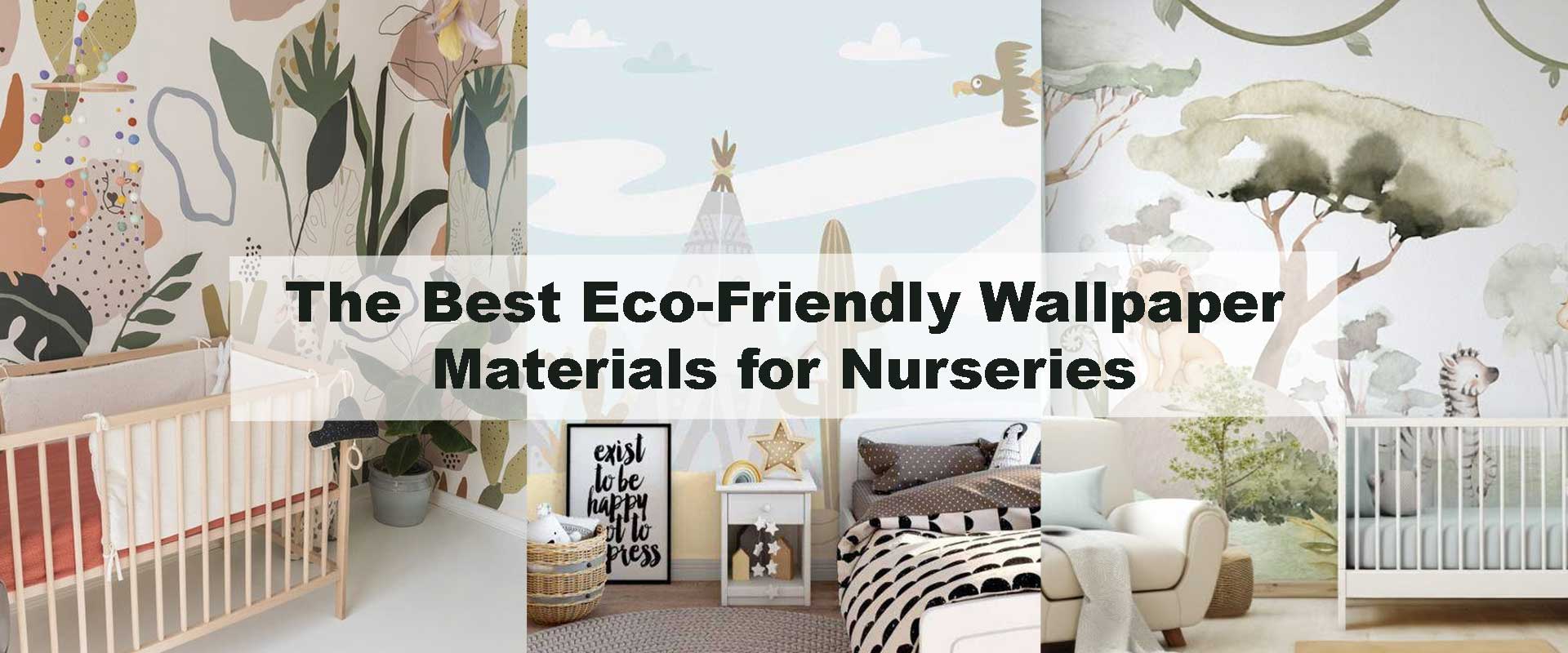
The Best Eco-Friendly Wallpaper Materials for Nurseries
Designing a nursery is about more than colour and pattern—it’s about creating a space that feels safe, calm, and supportive from the very first day. Eco-friendly nursery wallpaper has become a preferred choice for parents who want gentle materials, healthier indoor air, and a visual atmosphere that feels naturally soothing. Wall surfaces cover a large area in baby rooms, which makes the materials behind those designs especially important.
By choosing environmentally responsible wallpaper materials, nurseries gain a quieter visual rhythm and reduced exposure to unnecessary chemicals. The result is a room that feels thoughtfully layered, comforting, and ready to adapt as your child grows.
Why Eco-Friendly Wallpaper Matters in Nurseries
Nurseries are spaces where babies rest, sleep, and spend extended periods close to walls. Conventional wall coverings may contain synthetic layers or chemical finishes that release compounds into the air over time. Eco-friendly alternatives focus on breathable structures and low-emission finishes that support cleaner indoor environments.
Beyond health considerations, sustainable wallpaper materials also encourage timeless styling. Soft textures, natural pigments, and restrained patterns help create interiors that remain visually relevant long after infancy, reducing the need for frequent wall changes.
What Defines an Eco-Friendly Wallpaper Material?
Understanding what truly makes a wallpaper eco-conscious helps parents move beyond surface-level claims and make confident, informed choices for nursery spaces. Genuine eco-friendly wallpaper focuses not only on appearance, but also on how materials interact with air quality, moisture, and long-term comfort within the room.
Natural or Renewable Base Layers
Eco-friendly wallpapers are typically made from paper, cellulose, or plant-based fibres rather than plastic-heavy substrates. These natural bases allow walls to breathe, supporting healthy moisture regulation and reducing the likelihood of condensation or trapped pollutants behind the surface. In nurseries, this breathability contributes to a more balanced environment that feels fresher and more comfortable throughout the day and night.
Low-Emission Printing Inks
The inks used in wallpaper printing play a significant role in indoor air quality. Water-based or latex inks release far fewer emissions than solvent-based alternatives, helping minimise odours during installation and in the weeks that follow. In nursery settings, where babies spend extended periods resting close to walls, low-emission inks support calmer sleep conditions and everyday comfort.
Gentle Surface Finishes
Eco-friendly wallpaper avoids high-gloss laminates and synthetic sealants in favour of soft, matte finishes. These surfaces reduce light reflection and visual sharpness, helping create walls that feel soothing rather than stimulating. The tactile quality of matte finishes also adds warmth and depth, reinforcing a sense of quiet and reassurance within the nursery.
Responsible Production Standards
Beyond materials and finishes, eco-friendly wallpaper reflects thoughtful manufacturing practices. Responsible production prioritises reduced waste, lower energy use, and recyclable or biodegradable components wherever possible. While these qualities may not be immediately visible, they contribute to healthier living spaces and support long-term environmental responsibility without compromising design quality.
Best Eco-Friendly Wallpaper Materials for Nursery Spaces
Paper-Based Wallpaper
Paper wallpaper remains one of the most nursery-appropriate choices due to its simplicity and breathability. Free from plastic layers and heavy coatings, it allows walls to regulate naturally, reducing the chance of trapped moisture or chemical build-up within the room.
In nursery interiors, paper wallpaper lends itself beautifully to hand-drawn motifs, softly illustrated scenes, and muted colour stories. Its matte, natural surface absorbs light gently rather than reflecting it, helping create a space that feels open, calm, and reassuring when paired with understated furniture and organic textiles.
Non-Woven Wallpaper
Non-woven wallpaper combines natural fibres with environmentally responsible binders, resulting in a surface that is both strong and breathable. This construction supports airflow through the wall, helping maintain a comfortable indoor balance without sealing in humidity.
Parents often gravitate toward non-woven designs when seeking durable Nursery Wallpaper options that still prioritise air quality and visual softness. The material’s stability also allows patterns to sit cleanly on the wall, maintaining clarity without appearing rigid or harsh.
Fabric-Textured Wallpaper
Fabric-textured wallpaper introduces a tactile quality that feels especially suited to nursery environments. Created using woven or textile-inspired finishes from natural fibres, these surfaces subtly soften sound while adding depth and warmth to the room.
In nurseries, fabric textures create a cocooning effect that supports rest and quiet focus. Their gentle surface variation reduces visual sharpness, making the space feel enveloping and comfortable without relying on strong contrasts or intricate pattern repetition.
Clay-Coated and Mineral Paper Wallpaper
Clay-coated and mineral paper wallpapers replace synthetic sealants with naturally derived finishes, preserving breathability while enhancing colour depth. The result is a soft, matte surface that feels grounded and visually calm, even in slightly deeper tonal palettes.
These wallpapers work particularly well in nurseries styled with earthy hues, gentle botanicals, and nature-led themes. By allowing pigments to appear rich without gloss or glare, clay-coated finishes support a peaceful atmosphere that feels rooted and enduring rather than decorative.
Eco-Friendly Wallpaper Compared to Conventional Options
| Feature | Eco-Friendly Wallpaper | Conventional Wallpaper |
|---|---|---|
| Base Material | Paper, cellulose, natural fibres | Vinyl, PVC blends |
| Ink Type | Water-based, low-emission | Solvent-based |
| Breathability | High | Low |
| Installation Odour | Minimal | Often strong |
| Visual Finish | Soft, matte | Glossy or synthetic |
| Nursery Suitability | Excellent | Limited |
This contrast shows why sustainable materials are increasingly chosen for baby rooms, especially where wellness-driven interiors matter.
Colour and Pattern Choices That Complement Eco Materials
Eco-friendly wallpaper materials reach their full potential when paired with colours and patterns that respect a nursery’s need for visual calm. Soft neutrals, muted pastels, and gently layered tones help regulate sensory input, creating walls that feel soothing rather than attention-demanding. These palettes allow babies’ eyes to rest while still offering subtle variation and warmth.
Designs drawn from Neutral Nursery Wallpaper palettes enhance this effect by shifting focus toward texture, tonal depth, and natural light interaction instead of bold contrast. Light botanical motifs, delicate animal forms, and loosely illustrated shapes introduce curiosity at a gentle pace, encouraging visual engagement without crowding the space or overwhelming developing senses.
Supporting Healthy Air Quality Through Material Choices
Eco-friendly wallpaper contributes directly to healthier nursery air by reducing the presence of trapped moisture and airborne irritants. Breathable fibres allow walls to regulate naturally, while low-emission inks minimise lingering scents during the crucial early weeks after installation. This balance supports a calmer indoor environment where sleep and comfort remain uninterrupted.
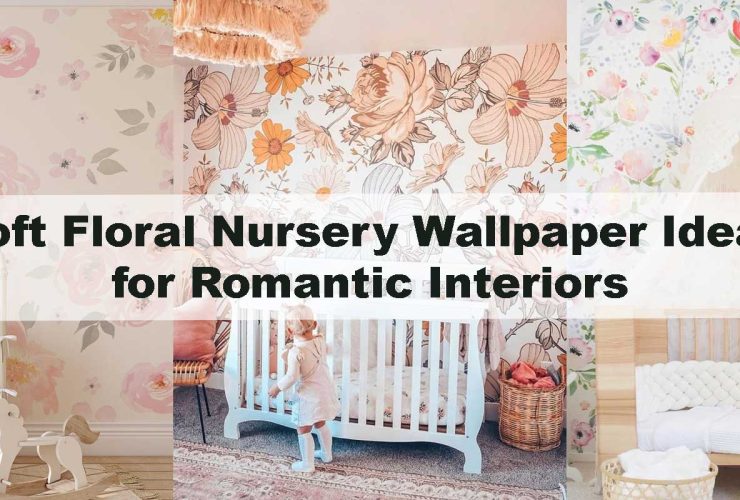
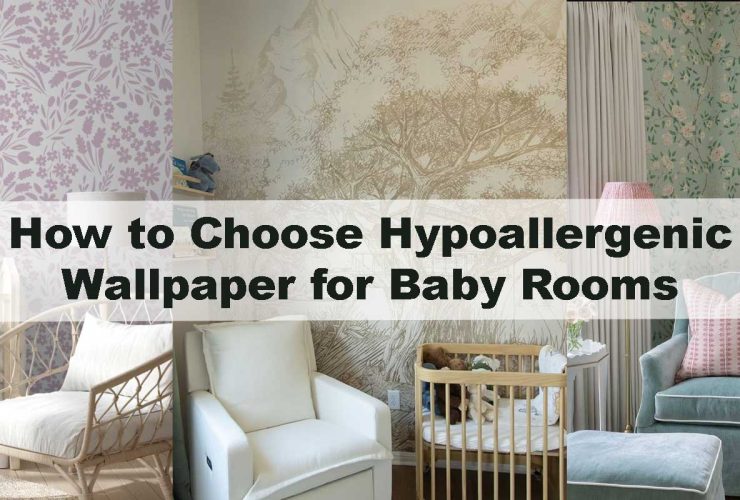
These principles closely reflect the guidance shared in How to Choose Hypoallergenic Wallpaper for Baby Rooms, where material composition and air purity are central to nursery well-being. Maintaining good airflow during installation further supports these benefits, allowing the wallpaper to settle gently before the room enters daily use.
Flexible Eco-Friendly Options for Growing Nurseries
Nurseries rarely remain static, and eco-friendly wallpaper materials increasingly reflect this reality. Peelable formats made with breathable backings and gentle adhesives allow walls to evolve without surface damage or heavy renovation. This flexibility makes it easier to adjust colours, themes, or layouts as children grow and preferences shift.
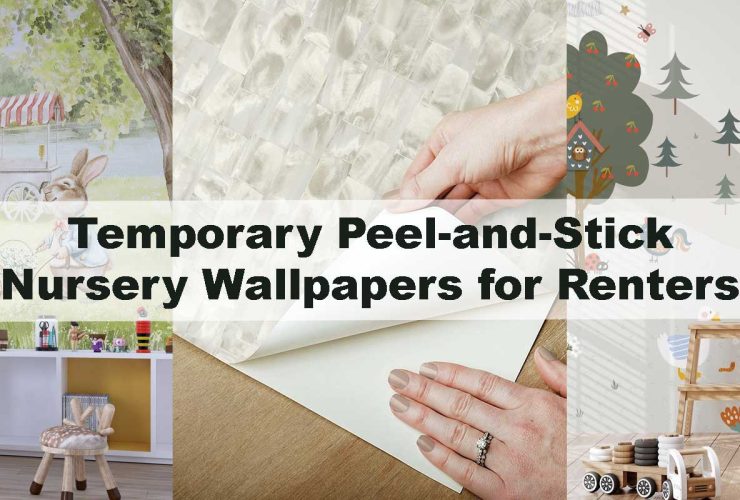
Choosing adaptable materials supports long-term planning and reduces the need for frequent reworking. This approach aligns naturally with the ideas discussed in How to Switch Nursery Wallpaper as Kids Grow Without Redecorating Entire Rooms, where thoughtful wallpaper decisions simplify future changes while keeping the overall interior calm and cohesive.
Pairing Eco-Friendly Wallpaper With Natural Nursery Elements
Eco-friendly wallpaper materials feel most harmonious when paired with furnishings that reflect the same natural values. Light-toned wooden cribs, softly grained storage pieces, breathable cotton bedding, and wool or jute rugs help extend the organic story from the walls into the rest of the room. Together, these elements create a layered environment that feels grounded, warm, and intentionally calm rather than styled for visual impact alone.
Nature-led wall designs drawn from Botanical Nursery Wallpaper styles strengthen this connection even further. Gentle leaf silhouettes, flowing stems, and softly shaded greenery echo outdoor rhythms, offering babies visual comfort that feels familiar and reassuring during early development.
Installation Tips for Eco-Friendly Nursery Walls
Even the most thoughtfully chosen wallpaper benefits from careful installation. Using low-VOC adhesives supports healthier air conditions, while steady airflow during application allows moisture to dissipate naturally rather than becoming sealed behind the surface. This attention to detail helps preserve the breathable qualities that make eco-friendly materials so effective in nursery settings.
Allowing the room a brief resting period after installation gives walls time to fully settle before furniture and textiles are introduced. This pause ensures the nursery feels fresh, balanced, and ready to support daily routines without lingering scent or humidity concerns.
Long-Term Value of Eco-Friendly Nursery Wallpaper
Eco-friendly wallpaper continues to offer benefits long after the newborn stage has passed. Breathable materials help regulate wall conditions across changing seasons, while natural textures and understated patterns reduce visual fatigue over time. This durability makes sustainable wallpaper a reliable backdrop for evolving nursery layouts.
Many parents find that eco-conscious designs transition smoothly into toddler and early childhood spaces with only minor styling updates. As furnishings change and personal touches are added, the wallpaper remains relevant, quietly supporting a calm and adaptable interior without the need for frequent replacement.
Frequently Asked Questions
Is eco-friendly wallpaper suitable for newborn nurseries?
Yes. When made with natural fibres and low-emission inks, eco-friendly wallpaper supports cleaner air and gentle surroundings for newborns.
Does eco-friendly wallpaper last as long as traditional wallpaper?
High-quality sustainable wallpapers are designed for durability and can last many years with proper care.
Are removable wallpapers always eco-friendly?
Not automatically. It’s important to select options that still use breathable materials and low-emission adhesives.
Can eco-friendly wallpaper handle temperature changes?
Breathable wallpapers adjust well to changing conditions, helping maintain wall comfort across seasons.
Do eco-friendly wallpapers limit design variety?
No. Modern sustainable wallpapers offer a wide range of colours, patterns, and textures designed specifically for nursery interiors.
Final Thoughts
Choosing the best eco-friendly wallpaper materials for nurseries means investing in comfort, safety, and thoughtful design from the very beginning. Natural fibres, breathable surfaces, and gentle inks come together to create walls that support both wellness and beauty.
By pairing sustainable materials with timeless visuals and calming tones, eco-friendly nursery wallpaper becomes a lasting foundation—one that grows gracefully alongside your child while supporting a healthier home environment.