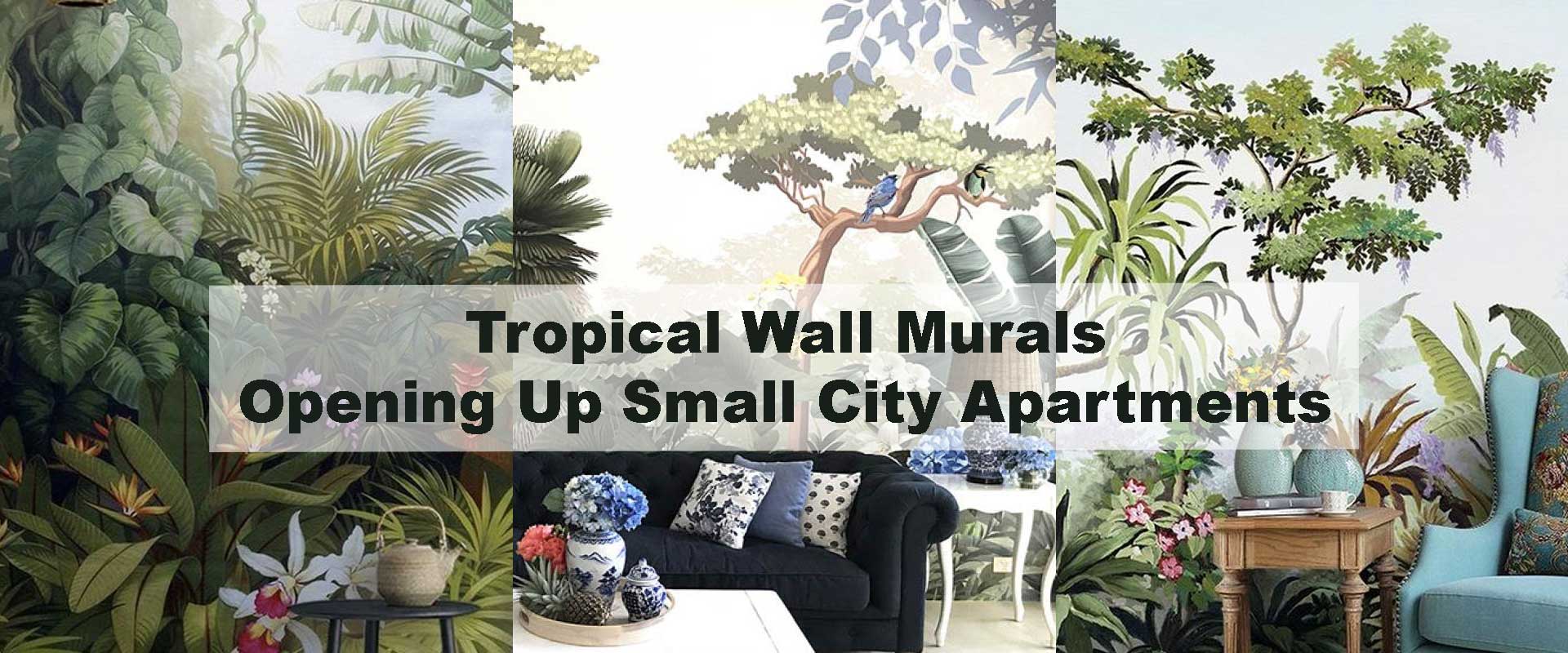
Tropical Wall Murals Opening Up Small City Apartments
Living in a small city apartment often means working creatively with light, color, and visual movement to make compact spaces feel more open. Tropical wall murals offer one of the most effective ways to reshape these environments because their depth-filled foliage, soft gradients, and calming nature motifs naturally expand the room’s visual boundaries. When chosen thoughtfully, these murals transform tight studios and modest urban homes into breathable, uplifting retreats that feel larger than their square footage. Many homeowners even discover that a mural can achieve spatial openness more effectively than a full renovation—especially when referencing ideas similar to how can tropical wallpaper make small rooms feel larger.
With city living, every design decision matters. The right mural can not only brighten dim corners but also redirect the eye upward, outward, or across the space, creating the illusion of extended openness. Whether you prefer airy botanical outlines, gentle watercolor leaves, or lush rainforest details, tropical wall murals offer an accessible way to bring calm movement and natural balance into the home. And with styles found in the forest collection or the deeply layered patterns in botanical themes, compact interiors can feel less confined and more inviting.
Why Tropical Murals Work So Well in Small Urban Homes
Small apartments face several common limitations: narrow walls, low ceilings, limited natural light, and sometimes awkward floor plans. Tropical murals counter these challenges by using depth, natural shapes, and airy motion to visually enlarge the environment. Designs with vertical foliage create upward lift. Murals with sweeping botanical arcs add horizontal flow. Soft watercolor backgrounds introduce ambient brightness without crowding the room.
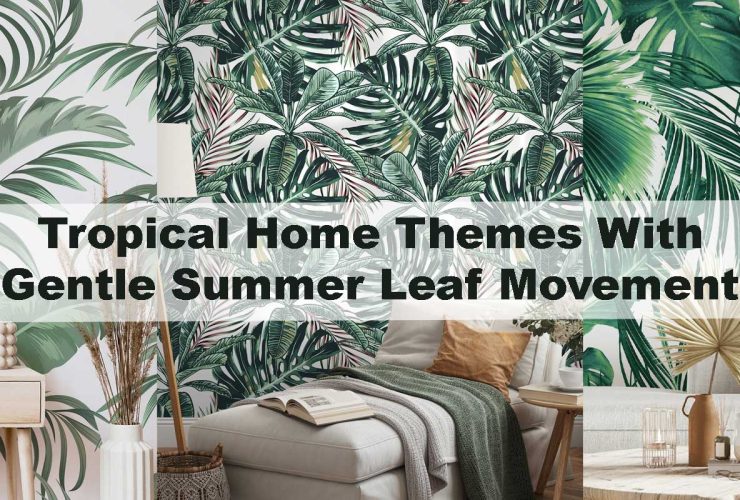
Many city apartments also rely heavily on artificial lighting. Tropical murals work beautifully with warm LEDs and soft diffused lamps because their nature-inspired gradients echo organic sunlight. This effect aligns with design insights similar to fresh botanical wallpaper themes inspired by tropical leaves, where layered tones and smooth transitions create a lifted visual field.
Mood also plays a role. Tropical murals evoke openness because the human eye associates greenery, sky-like tones, and soft organic shapes with outdoor landscapes. Even in a compact studio, a single well-chosen mural can evoke the comfort of a garden, rainforest, or coastal path. When placed on a feature wall, the room’s proportions instantly feel more spacious.
Choosing the Right Tropical Style for Limited Space
1. Light Botanical Outlines
If your apartment has low ceilings or limited window light, choose murals with gentle leaves, soft silhouettes, or airy linework. These designs diffuse brightness across the wall without feeling heavy. They are ideal near seating areas, next to dining nooks, or behind work desks in small rooms.
Light botanical murals pair exceptionally well with Scandinavian furniture and minimalist décor. Their soft contours maintain clarity while adding the depth necessary to make a compact room feel balanced. This approach echoes the minimalist principles shared in what tropical wallpaper style works best for bright living rooms, where calm palettes anchor open, breathable design.
2. Deep Tropical Murals for Dramatic Impact
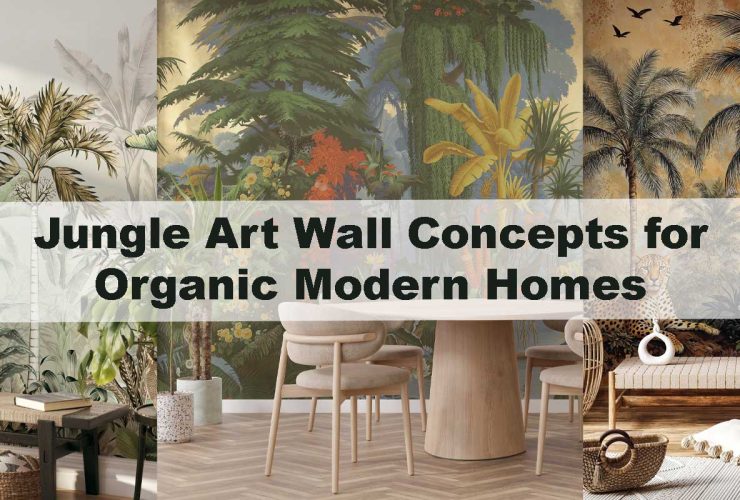
Dense tropical foliage can also work beautifully in small apartments if paired with balanced lighting and subtle décor. Deep green murals—found in deep jungle designs—offer an immersive sense of nature that pulls the viewer inward, expanding the visual dimension of the wall. The shadows and gradients mimic real foliage layering, making the room feel larger through perceived distance.
This technique mirrors concepts found in jungle leaf murals that add depth to modern interior corners, where structured greenery builds visual flow in tight spaces.
3. Watercolor and Gentle Gradient Murals
Watercolor murals use delicate pigmentation and smooth transitions to brighten compact rooms. Their dreamlike atmosphere softens harsh lines and makes walls recede visually. These murals work exceptionally well in bedrooms, reading corners, and narrow hallways.
The diffused color creates a visual “breath” that works perfectly in smaller homes. Pair these murals with pale woods, white furniture, or slim-profile décor for a clean, expanded aesthetic. Many homeowners discover that watercolor botanicals from watercolor murals create the most calming and spacious effect in small city apartments.
How Tropical Murals Affect the Perception of Space
Vertical Growth for Height
Murals that showcase tall palms, upward-reaching leaves, or canopy-inspired structures create the illusion of height. For apartments with low ceilings, this can dramatically change the spatial feel of the room. The viewer’s eye is gently guided upward, extending the vertical dimension.
This approach relates closely to insights shared in soft tropical wallpaper ideas for relaxing bedroom makeovers, where calm upward flow helps rooms feel more open and serene.
Horizontal Sweep for Width
Designs with broad leaf arcs, diagonal foliage, or stretched landscape views introduce width, making tight rooms appear broader. This works especially well on longer walls or in narrow rooms like studio hallways.
Soft Backgrounds for Depth
Murals with misty gradients, pale sky-like tones, or foggy botanical layers introduce depth through gentle visual fading. Rooms with limited windows immediately benefit because these patterns behave like pseudo-light sources.
Organic Shapes for Fluidity
Tropical murals avoid harsh geometric lines. Their organic curves soften edges, blur corners, and fill the room with flowing energy. Compact apartments often feel boxy, but natural forms invite a more fluid, relaxed spatial perception—a principle echoed in why choose jungle wallpaper over traditional patterned prints, where organic motifs outperform rigid patterns in shaping visual mood.
Best Placement Ideas for Small Apartments
1. Behind the Sofa
Placing a tropical mural behind the sofa transforms an ordinary wall into an expressive visual stage that expands the entire room. This position naturally catches the eye the moment you step inside, shifting awareness away from the apartment’s limitations and toward the vibrant depth of the mural. Mid-scale foliage, airy palm silhouettes, or soft watercolor gradients are perfect here because they add movement without overwhelming the seating area. This setup creates a gentle backdrop that makes the living room feel thoughtfully layered and more spacious.
2. Opposite Windows
When a tropical mural sits directly opposite a window, the wall becomes a reflector of natural brightness. Even small city apartments with limited sunlight gain added luminosity as daylight bounces off the mural’s soft tones. Designs featuring pale botanicals, beach-inspired washes, or blue-green hues amplify this effect, making the wall appear to glow softly in the late afternoon or early evening. Murals from the coastal patterns collection perform exceptionally well because their breezy, horizon-like openness mimics outdoor space and visually widens the room.
3. Bedroom Headboard Wall
Adding a tropical mural behind the bed instantly gives a compact bedroom more depth and calmness. The vertical or flowing foliage creates a serene backdrop that expands the headboard area, making the room feel taller and more grounded at the same time. Soft botanical arrangements, misty greens, and muted leaf clusters bring a restful presence that never competes with bedding or furniture. Many homeowners gravitate toward murals that echo the gentle movement described in botanical wallpaper panels adding gentle jungle color movements, creating a soothing, layered warmth that improves the overall ambiance.
4. Entryway Accent Wall
In small city apartments, the entryway is often narrow or under-lit. A tropical mural here immediately opens up the space, giving visitors a sense of lightness the moment they enter. Large botanical silhouettes or subtle watercolor foliage can create a welcoming transition, guiding the eye forward toward the rest of the home. This placement also helps offset the compact nature of apartment hallways, making them feel brighter and more thoughtfully styled.
5. Small Dining Corner
If your apartment includes a tiny dining corner or kitchenette space, a tropical mural can transform it into a cozy, uplifting nook. Lush green leaves, soft tropical color palettes, or minimalist botanical shapes anchor the dining area without requiring physical dividers. Even a petite table for two feels more intentional and inviting with a natural backdrop behind it. This approach adds presence and depth, making the space feel like a designated room instead of an extension of the kitchen.
Pairing Furniture and Colors With Tropical Murals
Neutral Foundations for Balance
Neutral furniture—such as white, beige, taupe, light oak, or pale gray—acts like a visual buffer that allows your tropical mural to breathe. By reducing contrast and keeping the foreground simple, these tones emphasize the mural’s layered depth and help the room feel naturally expanded. Minimalist chairs, slim bookshelves, or low-profile sofas avoid interrupting the mural’s movement, preserving the illusion of spaciousness.
Soft Fabrics for Calm Flow
Textiles with organic character—linen, cotton, woven fibers, boucle, or soft knits—enhance the relaxed atmosphere created by tropical designs. These fabrics add quiet texture that complements botanical patterns instead of competing with them. In small apartments, this harmony is essential because heavy or shiny materials can make the space feel tight. Soft, breathable fabrics help maintain calm flow and soften the room’s edges.
Pops of Color for Cohesion
To unify the room, draw one or two accent colors directly from the mural—sage, teal, sandy beige, warm yellow, or soft coral—and repeat them subtly through pillows, lamps, vases, or throws. This technique strengthens visual continuity across the space and increases the perception of openness. It follows the same principles seen in tropical forest walls bringing breezy warmth into coastal spaces, in which color harmony lifts the entire room and enhances depth.
How Lighting Enhances Tropical Murals in Compact Homes
Indirect Lighting for Soft Depth
Indirect lighting is one of the most powerful tools for elevating a tropical mural in a small apartment. Diffused lamps, soft LED strips tucked behind furniture, and shaded fixtures gently wash the wall with illumination that enhances the mural’s natural gradients. Instead of flattening the artwork, this type of lighting enhances every curve, shadow, and layer, making the foliage feel dimensional and almost sculptural. By allowing the light to glide across the surface rather than hit it directly, you create a subtle ambient glow that expands the perception of space and keeps the room feeling open rather than compressed.
Warm Light for Comfort
Warm light blends beautifully with tropical greens, leafy silhouettes, and soft botanical tones. Warm LEDs soften the contrast between the wall and the room, introducing a gentle layer of comfort that makes compact apartments feel soothing and enveloping rather than tight. This type of lighting also enhances the shadows within the mural, giving the foliage natural depth and helping the eye move across the room more fluidly. Warm lighting is especially effective in evening hours, when its golden quality makes tropical murals appear richer, calmer, and more inviting.
Natural Light for Clarity
Even the smallest window becomes a significant asset when paired with a tropical mural. Positioning the mural opposite a source of natural light helps distribute brightness evenly across the room, eliminating dark corners and making the space feel more open. Botanical murals with airy leaves, pale tones, or watercolor effects benefit the most because they reflect light softly, brightening the apartment while adding visual clarity. Morning or midday sunlight can bring subtle highlights to the mural’s textures, enhancing depth and reinforcing the lightweight, breathable feeling that tropical designs naturally bring to compact interiors.
Popular Tropical Mural Themes for Small City Apartments
These tropical mural themes are particularly effective in compact urban homes because they manipulate light, depth, and visual flow. When used purposefully, each theme reshapes the proportions of the room and brings in a sense of fresh natural movement.
Palm and Canopy Murals
Palm and canopy murals are exceptional for visually expanding height in small rooms. Their upward-reaching leaves mimic natural vertical growth, guiding the eye from floor to ceiling. This lifts the entire room and counteracts the compressed feel that often comes with low ceilings in city apartments. Choose airy palm silhouettes or tall canopy arrangements for a soft, spacious effect that pairs beautifully with simple furniture lines.
Botanical Watercolor Murals
Watercolor botanicals introduce an ethereal softness that works perfectly in tight rooms. The gentle washes, blurred edges, and misty gradients diffuse heavy lines and make the wall appear farther away. This is especially effective in dim or enclosed apartments where natural light is limited. Watercolor themes also integrate smoothly with pastel furnishings, Scandinavian décor, and minimalist layouts, adding openness without visual clutter.
Rainforest Silhouettes
Rainforest silhouettes blend shadowed leaves, layered forms, and gradient backgrounds to create immersive depth. The darker outlines contrast softly with mid-tone foliage, generating a subtle 3D effect that enlarges compact walls. They are ideal for renters aiming to make a single wall appear deeper and more atmospheric—much like the principles seen in tropical leaf patterns that refresh clean neutral spaces, where structure and shading work together to lift the room’s mood.
Minimalist Tropical Linework
Minimalist botanical linework blends simplicity with tropical charm, making it perfect for modern city apartments. These designs use thin outlines, monochrome or soft two-tone palettes, and spacious compositions that maintain plenty of breathing room. They brighten the interior instantly and prevent overcrowding—particularly useful when decorating around compact furniture or built-in storage areas.
Warm Sunset Tropicals
Sunset-inspired tropical murals incorporate soft terracotta, golden gradients, warm coral blends, and gentle horizon tones. These colors add warmth to shadowy or window-poor apartments while helping small rooms feel more expansive. Their warm tonal transitions act like ambient lighting, making them especially effective in north-facing or evening rooms needing more radiance.
Small Apartment Layout Examples Using Tropical Murals
Here are layout-specific ideas showing how tropical murals reshape spatial perception in compact city homes.
1. Studio With a Single Feature Wall
In a studio apartment, a tropical mural becomes the room’s central design anchor. By placing it on the longest or most visible wall, you can subtly divide the space into functional zones—sleeping, lounging, working—without adding physical barriers. Choose a mural with medium-scale foliage or soft gradients to create a natural “frame” around your living area and give the studio a sense of organized openness.
2. Narrow Living Room With Opposing Windows
Narrow living rooms often feel corridor-like, but a tropical mural opposite the main window helps widen the space visually. The reflected light brightens botanical tones, enhances depth, and forms a balanced path between the window and the mural. Palm canopy themes or light watercolor botanicals work especially well because they expand the room laterally while keeping the view airy and uncluttered.
3. Compact Bedroom With Limited Floor Space
In a tight bedroom, placing a tropical mural behind the headboard transforms the wall into a visual extension of the room. The soft natural depth makes the bed area feel elevated and spacious. Designs from fresh green designs offer delicate shading and gentle movement, helping the space feel lighter, taller, and more restful. Pair with neutral bedding to maintain clarity and balance.
4. Open Kitchen–Dining Corner in City Apartments
Small dining corners or kitchenette nooks benefit immensely from a tropical mural. It adds ambience without consuming any physical space and can establish a cozy, inviting backdrop for meals. Subtle foliage, warm gradients, or minimalist palm outlines help define the zone while keeping the kitchen visually clean. This technique is ideal for renters or homeowners who want to personalize the space without permanent changes.
Maintenance and Practical Tips
Maintaining the look and longevity of your tropical mural ensures the room continues to feel open and vibrant.
Choose High-Quality Prints
High-resolution murals preserve crisp details and layered shading—important in small apartments where the wall is viewed up close. Sharp foliage edges, smooth gradients, and balanced color tones prevent the mural from looking flat or pixellated, ensuring it continues to expand the room visually.
Use Removable or Peel-and-Stick Options
Removable murals are perfect for renters or those who enjoy updating their décor. They apply smoothly, offer strong visual impact, and can be removed without damaging the wall. This flexibility allows you to refresh the room’s style as needed while maintaining the illusion of space.
Avoid Overcrowding the Decor
To maximize the spatial benefits of a tropical mural, keep surrounding décor minimal. Avoid heavy gallery walls or large competing patterns that reduce visual openness. Let the mural act as the main feature so the room retains its sense of expanded depth and calm flow.
Keep Lighting Balanced
Tropical murals look their best when the lighting complements the natural textures. Soft warm LEDs, diffused floor lamps, and gentle accent lighting enhance shadows, highlight foliage contours, and maintain the soothing aesthetic. Balanced lighting prevents the mural from appearing too flat or overly bright.
Conclusion
Tropical wall murals are an exceptional design choice for opening up small city apartments. Their natural flow, layered depth, and uplifting palettes transform compact rooms into inviting, breathable spaces with minimal effort. Whether you prefer watercolor botanicals, gentle palms, or deeper layered foliage, each style enhances openness and brings refreshing clarity to urban homes. By using nature-inspired patterns, harmonious colors, and strategic placement, even the smallest apartment can feel enriched and expanded. Tropical murals offer both beauty and functionality—an easy investment with a deeply transformative visual impact.