Vintage trellis wallpaper for creating structured beauty in minimalist spaces
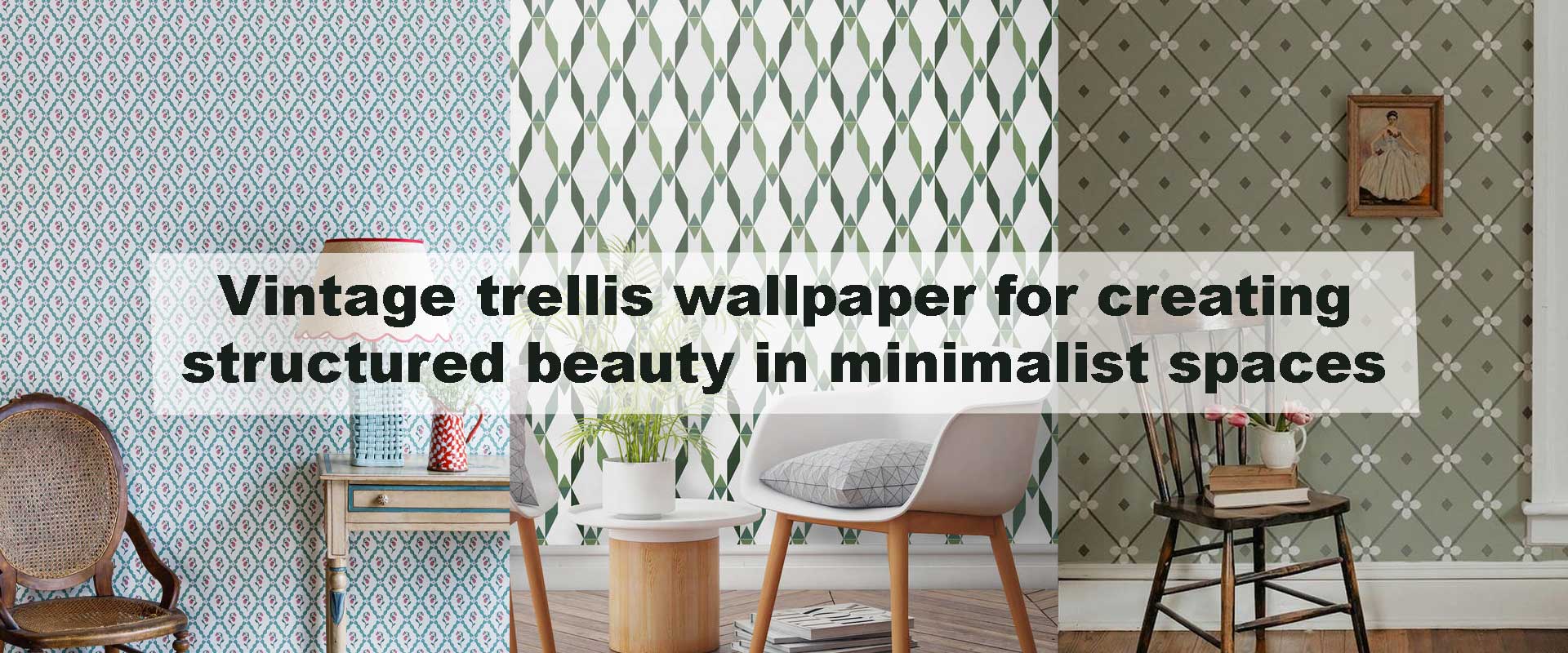
Vintage trellis wallpaper has a quiet confidence that feels perfectly at home in minimalist interiors. Clean lattice lines, rhythmic repetition, and balanced geometry introduce order without visual heaviness, allowing simple spaces to feel composed rather than plain. When minimalism leans too stark, trellis patterns soften the atmosphere while still respecting restraint, symmetry, and clarity.
In contemporary minimalist homes, trellis designs act as architectural detailing rather than decoration. They guide the eye, define surfaces, and create subtle movement across walls, all while preserving openness. This balance makes vintage trellis wallpaper an ideal choice for those who appreciate structure, calm, and timeless design layered with just enough character.
Why Trellis Patterns Align So Well With Minimalist Design
Minimalism thrives on proportion, rhythm, and intention rather than visual emptiness. Vintage trellis wallpaper reinforces this philosophy by introducing pattern through disciplined repetition instead of decorative excess. The structure feels deliberate and controlled, allowing walls to gain presence without disrupting the clarity that minimalist spaces depend on.
The geometry of trellis designs closely mirrors the linear language found in minimalist furniture, shelving systems, and architectural detailing. Straight lines, soft angles, and repeated forms echo one another across the room, creating cohesion rather than contrast. Instead of competing with clean silhouettes, trellis patterns quietly support them, adding dimensional interest that feels architectural rather than ornamental. This relationship reflects the same balance discussed in Timeless damask motifs bringing heritage elegance to modern interiors, where historic pattern structure enhances contemporary restraint without overpowering simplicity.
Another strength of trellis wallpaper lies in its visual rhythm. The predictable movement of the lattice guides the eye gently across the wall, preventing visual tension or distraction. Because the pattern unfolds evenly, the space feels composed and grounded, allowing the mind to rest rather than react. This steady rhythm supports the calm, intentional atmosphere that minimalist interiors aim to achieve, making trellis designs especially effective in spaces designed for focus, relaxation, or quiet living.
Choosing the Right Vintage Trellis Wallpaper for Subtle Impact
Not every trellis pattern belongs in a minimalist interior. The most successful choices prioritize refinement, breathing room, and tonal harmony rather than bold contrast or decorative complexity. Thoughtful selection ensures the wallpaper enhances structure without becoming the dominant feature.
Pattern Scale and Line Weight
Fine-lined trellis designs work exceptionally well in minimalist rooms because they soften into texture when viewed from a distance. Rather than announcing themselves immediately, these patterns reveal detail gradually, rewarding closer attention without demanding it. Larger trellis scales can also succeed, particularly in rooms with generous proportions, high ceilings, and restrained furnishings.
The key is negative space. Adequate spacing between lines allows the pattern to breathe, preventing visual compression and maintaining the openness minimalism requires. When the wall feels spacious, the trellis becomes a stabilizing element rather than a decorative interruption.
Color Harmony Over Contrast
Color choice plays a crucial role in preserving calm. Neutral palettes remain the most reliable and elegant option, allowing trellis geometry to integrate seamlessly into minimalist environments. Soft beige, muted taupe, warm gray, and chalky white backgrounds absorb light gently, helping the pattern feel embedded within the surface rather than layered on top of it.
Subtle tonal contrast—where the trellis lines sit just a shade lighter or darker than the background—adds quiet depth without breaking visual continuity. For interiors that benefit from a touch of warmth, selections from Beige Vintage Wallpaper or Brown Vintage Wallpaper collections offer understated richness while preserving the clean, composed character that minimalist spaces demand.
Where Vintage Trellis Wallpaper Works Best in Minimalist Spaces
Placement is essential when introducing pattern into minimalist interiors. Vintage trellis wallpaper performs best when it supports spatial clarity rather than competing with it, using structure to guide the eye and gently define zones. When thoughtfully positioned, the pattern becomes an architectural layer—adding intention, balance, and quiet elegance without disrupting simplicity.
Feature Walls That Feel Architectural
A single trellis-covered wall can act as a visual backbone in a minimalist room. Positioned behind a sofa, bed, or dining arrangement, the pattern frames furniture with calm precision, lending structure without visual weight. The repeating geometry reinforces symmetry and proportion, helping large surfaces feel composed rather than empty.
This technique works especially well in open layouts, where pattern subtly defines functional areas without the need for partitions. The effect mirrors principles discussed in Classic hallway wallpaper concepts that enhance narrow spaces with depth, where restrained pattern use shapes perception while preserving openness and flow.
Entryways and Transitional Areas
Minimalist entryways rely heavily on first impressions, often using light, scale, and restraint to establish mood. Vintage trellis wallpaper introduces immediate refinement, offering visual order as soon as one enters the space. The structured repetition creates a sense of calm direction, making transitional areas feel intentional rather than overlooked.
In hallways and connecting corridors, trellis patterns also help maintain continuity between rooms. The geometry gently leads movement forward, enhancing spatial rhythm without drawing unnecessary attention to itself.
Built-In Niches and Shelving
Trellis wallpaper works beautifully within recessed niches, shelving backs, and alcoves. In these contained areas, the pattern adds depth and contrast while remaining secondary to curated objects. The repeated lattice creates a subtle framework that elevates ceramics, books, or sculptural pieces rather than competing with them.
Because the pattern stays visually consistent, it supports minimal styling choices, allowing fewer objects to feel more deliberate and meaningful.
Pairing Vintage Trellis Wallpaper With Minimalist Materials
The success of vintage trellis wallpaper in minimalist spaces depends largely on material harmony. Natural wood grains, soft linen upholstery, stone surfaces, and matte ceramics balance the precision of trellis geometry with warmth and tactility. These materials soften the linear pattern, preventing the space from feeling rigid or overly formal.
Low-profile furniture and restrained finishes allow the wallpaper to function as a quiet design framework rather than a focal statement. This balance ensures the pattern enhances the room’s structure while the materials maintain comfort and approachability.
For interiors that lean slightly more expressive while remaining composed, refined selections from Geometric Vintage Wallpaper offer a seamless transition. These designs preserve symmetry and order while introducing subtle variation, making them ideal for minimalist spaces that appreciate controlled visual interest.
Vintage Trellis vs Other Patterned Wallpapers in Minimalist Interiors
| Design Aspect | Vintage Trellis Wallpaper | Floral Vintage Wallpaper | Textured Plain Wallpaper |
|---|---|---|---|
| Visual Structure | Strong, symmetrical rhythm | Organic and flowing | Soft, irregular depth |
| Minimalist Compatibility | Very high | Moderate | High |
| Visual Calm | Balanced and orderly | More expressive | Very subtle |
| Best Use | Feature walls, open spaces | Accent areas | Full-room coverage |
| Timeless Appeal | Classic and enduring | Style-dependent | Neutral and lasting |
This comparison highlights why trellis patterns stand out for minimalism. Unlike florals that lean decorative, trellis designs emphasize order, making them easier to integrate into pared-back interiors.
Lighting Considerations for Trellis Patterns
Lighting plays a defining role in how vintage trellis wallpaper is experienced within minimalist interiors. Soft, diffused illumination allows the repeating lines of the pattern to feel fluid rather than rigid, reinforcing calm visual rhythm instead of sharp contrast. Wall washers, indirect ceiling lights, or warm ambient fixtures gently trace the geometry across the surface, helping the trellis read as architectural texture rather than decoration—especially when paired with matte or softly brushed finishes.
Natural daylight further elevates trellis designs by introducing subtle tonal shifts throughout the day. As light changes, the pattern gains quiet movement without becoming visually demanding, preserving the understated elegance minimalism relies on. This evolving interplay between light and pattern keeps spaces feeling alive and layered, while still honoring simplicity and restraint.
When to Explore Trellis Within Broader Vintage Styles
Vintage trellis wallpaper often feels most cohesive when approached as part of a broader vintage aesthetic rather than a standalone feature. Subtle references to classic design traditions strengthen the structured beauty of trellis patterns, ensuring they feel intentional within minimalist spaces rather than ornamental. Browsing curated selections within Vintage Wallpaper allows homeowners to maintain visual harmony while choosing designs that balance scale, tone, and historical influence.
For interiors that benefit from added warmth without losing clarity, softly tactile options can be especially effective. Designs from Textured Vintage Wallpaper
Frequently Asked Questions
Does trellis wallpaper overwhelm minimalist rooms?
Not when chosen carefully. Fine linework, neutral tones, and thoughtful placement ensure the pattern supports minimalism rather than overpowering it.
Can trellis wallpaper work in small minimalist spaces?
Yes. Smaller-scale trellis patterns actually help define space and add depth, making compact rooms feel more intentional and balanced.
Is vintage trellis wallpaper suitable for modern furniture?
Absolutely. Clean-lined furniture complements the structured geometry of trellis patterns, creating a harmonious blend of old and new.
Conclusion
Vintage trellis wallpaper offers a refined solution for minimalist spaces that crave structure without excess. Its rhythmic geometry, timeless proportions, and quiet elegance enhance simplicity rather than disrupt it. When paired with neutral palettes, natural materials, and thoughtful lighting, trellis patterns transform minimalist interiors into composed, inviting environments with lasting appeal.
By choosing the right scale, tone, and placement, vintage trellis wallpaper becomes an architectural element—bringing structured beauty, calm order, and subtle character to minimalist living spaces that value intention over ornament.