Wallpaper Removal Hacks for Rented Homes
Living in a rented home doesn’t mean you can’t create a space that feels uniquely yours. Many tenants use wallpaper for a quick transformation, yet removing it can feel daunting. Wallpaper removal hacks for rented homes make the process easier, helping you peel away layers safely without losing your deposit. With the right techniques, you can refresh your walls and prepare for new designs in just a few hours.
Understanding Renter-Friendly Wallpaper Options
Before starting removal, it’s worth understanding which wallpapers are easiest to manage. Peel-and-stick varieties remain the top choice for renters, offering strong adhesion yet simple removal without residue. Traditional pasted wallpapers look elegant but require extra care when it’s time to take them down.
Designs from Floral Wallpapers work particularly well in rentals since they balance quality and easy removal. For bold interiors, darker tones like Dark Floral Wallpapers bring depth without long-term commitment, while lighter hues add brightness to smaller rooms.
Why Wallpaper Removal Matters in Rentals
Tenants often fear peeling paint or wall damage during removal. A careful approach prevents issues and keeps your landlord happy. A few reasons mastering wallpaper removal hacks for rented homes matters:
- Avoids unnecessary wall repairs.
- Keeps surfaces clean for repainting.
- Makes reusing removable wallpaper possible.
- Maintains smooth finishes for reapplication.
Choosing patterns such as Modern Floral Wallpapers ensures easy release while keeping your décor stylish throughout your stay.
Step-by-Step Hacks for Safe Wallpaper Removal
These renter-tested methods simplify the process of removing both peel-and-stick and pasted wallpapers.
1. Start from a Corner
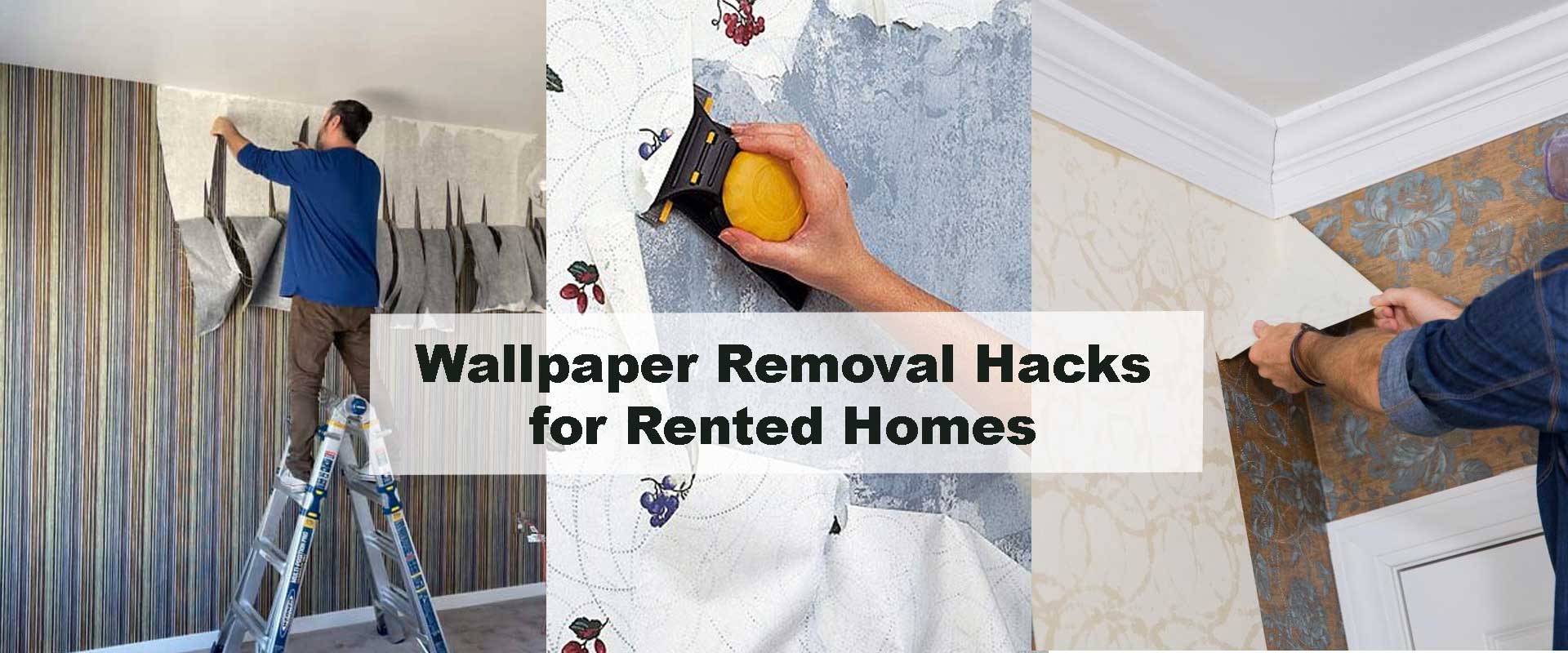
Find a loose edge near a socket or skirting. Gently lift using your nail or a plastic scraper and peel diagonally at a 45-degree angle. Slow, steady pressure helps avoid tearing or pulling off paint.
2. Warm the Adhesive
Using a hairdryer on medium heat softens glue and allows smooth peeling. Keep the dryer six inches from the surface and move it continuously to prevent heat spots.
3. Peel Slowly and Evenly
Work from top to bottom, pulling gently as you go. If resistance increases, pause to reheat that section. Rushing increases the risk of paint lifting underneath.
4. Clean Off Any Residue
After removal, wipe with a mix of warm water and mild detergent or vinegar. This step eliminates leftover stickiness and prepares your wall for its next makeover. Those tackling older patterns can take cues from Removing Old Wallpaper Before Installing Florals for managing stubborn glue effectively.
5. Rinse and Dry
Finish by rinsing with plain water and letting the surface dry completely. Smooth, dry walls ensure the next layer of wallpaper—perhaps a soft Vintage Floral Wallpaper—adheres perfectly.
The Magic of Steam for Stubborn Wallpaper
When heat alone isn’t enough, steam becomes a renter’s best friend. It loosens old paste without harsh chemicals.
- Fill a handheld steamer with water.
- Hold it on the wall for about 10–15 seconds.
- Peel slowly while the wallpaper remains moist.
Steam works especially well in older apartments with layered papers, making removal efficient and wall-safe. Keep ventilation open and floors dry to avoid moisture buildup.
Reusing Peel-and-Stick Wallpapers
One of the smartest wallpaper removal hacks for rented homes is learning how to reuse peel-and-stick wallpaper. Premium vinyl holds its tackiness, letting you transfer it to a new space.
Carefully remove the panels, place them sticky-side up on wax paper, and roll them without creasing. When ready, reapply to smooth surfaces. Subtle options like White Floral Wallpapers transition seamlessly between bedrooms and home offices.
Common Mistakes Renters Should Avoid
A few small missteps can turn simple removal into a repair project. Avoid these:
- Pulling too fast: damages paint layers.
- Skipping cleaning: dirt or grease hardens glue.
- Using metal scrapers: causes scratches.
- Over-steaming: bubbles the plaster underneath.
More techniques for addressing post-removal imperfections appear in Fixing Wallpaper Seams and Bubbles, which guides you through smoothing surfaces without repainting entire walls.
Eco-Friendly Removal Alternatives
If you prefer natural methods, vinegar and citrus oil mixtures effectively break down adhesives while being gentle on surfaces. They’re ideal for kitchens and kids’ rooms where chemical removers aren’t welcome.
Many renters pair these techniques with eco-conscious choices like Watercolor Floral Wallpapers, which use breathable materials and low-VOC adhesives suitable for sustainable interiors.
Refreshing Walls After Wallpaper Removal
Once the wallpaper is gone, take the opportunity to revive your walls. Fill tiny nail holes, sand lightly, and apply a quick coat of primer if you plan to paint.
For renters who prefer sticking with wallpaper, aesthetic options such as Aesthetic Floral Wallpapers bring subtle texture without heavy color saturation. More on long-term upkeep appears in Cleaning & Maintaining Floral Wallpaper, detailing easy methods for preserving future designs.
Quick Hacks for Large Rooms
Tackling wallpaper removal in large spaces like living rooms requires strategy. Divide walls into sections and peel gradually to maintain control. Use painter’s tape to track progress and prevent overlap.
Opening windows improves airflow, especially when steaming. Large rooms benefit from airy, removable patterns such as Living Room Floral Wallpapers, which make future redecorating simpler.
Protecting Paint and Wall Texture
Painted drywall can be fragile. Test your method on a small area first. If the wallpaper feels stiff, reheat or steam gently before pulling. Always use microfiber cloths to wipe adhesive remains.
Small scuffs can be patched with leftover wall paint. This quick step ensures walls remain spotless, preserving the finish for the next tenant.
Preparing for New Wallpaper
After removal, make sure the wall is spotless and dry before applying new wallpaper. A thin coat of primer enhances adhesion.
Refreshing with subtle hues like Pink Floral Wallpapers softens bedrooms instantly, while cooler tones like Blue Floral Wallpapers make compact spaces appear brighter and larger.
Tools Every Renter Should Keep Handy
Preparation matters. Keep these essentials nearby:
- Plastic scraper or putty knife
- Hairdryer or steamer
- Microfiber cloths
- Mild detergent or vinegar
- Painter’s tape
A minimal toolkit ensures your wallpaper projects stay stress-free, from first application to final peel.
Budget-Friendly Wallpaper Removal Tips
You don’t need special gear to remove wallpaper effectively. Borrow a steamer from a friend, mix your own vinegar solution, and reuse wallpapers in smaller rooms. If minor touch-ups remain, use sample paint pots instead of full cans.
Cost-effective prints like Abstract Floral Wallpapers allow renters to refresh décor frequently without overspending.
Preventing Future Wallpaper Struggles
Smart preparation saves future headaches. Always clean and prime your walls before applying wallpaper, and stick to removable types designed for smooth surfaces. Avoid applying on damp walls to prevent adhesion issues later.
Bedrooms or home offices styled with Floral Wallpapers for Bedrooms demonstrate how renter-friendly materials simplify both installation and removal.
When to Seek Professional Help
If your rental walls have multiple wallpaper layers or damaged plaster, professional help can prevent further harm. Experts use controlled steam pressure and neutral removers tailored to delicate surfaces.
They can also recommend removable wallpapers suited for specific environments—like moisture-resistant varieties for kitchens or subtle florals for bright living rooms.
FAQs About Wallpaper Removal Hacks for Rented Homes
1. What’s the easiest way to remove wallpaper in a rental?
Begin from a loose corner and use gentle heat from a hairdryer. Peel slowly to maintain wall integrity.
2. Can peel-and-stick wallpaper be reused?
Yes. Remove carefully, store flat on wax paper, and it can be reapplied to new surfaces without losing stickiness.
3. Will wallpaper removal damage paint?
Not if you peel patiently and avoid sharp tools. Use low heat and mild cleaning agents to preserve the paint underneath.
4. What removes leftover adhesive best?
Warm water mixed with dish soap or vinegar loosens residue effectively without harming the finish.
5. How should I prep for new wallpaper afterward?
Wipe the surface clean, let it dry, and apply primer before adding your next design. This ensures smooth adhesion and durability.
Conclusion
Wallpaper removal in rented homes is all about patience and preparation. With these wallpaper removal hacks for rented homes, you can safely peel, clean, and refresh walls while keeping them flawless. From using gentle steam to storing reusable panels, each method ensures style flexibility without damage.
When it’s time to redecorate, renter-friendly collections such as Floral Wallpapers and calming tones from Green Floral Wallpapers offer versatile looks that adapt beautifully to new beginnings and evolving spaces.