Which Art Deco Pattern Works Best for Dining Spaces With Neutral Furnishings?
Choosing the right Art Deco pattern for a dining space with neutral furnishings is less about making the room louder and more about giving it structure, rhythm, and quiet confidence. When chairs, tables, and cabinetry lean toward beige, taupe, soft grey, or warm wood, the walls become the element that defines personality. The best Art Deco patterns don’t fight those neutrals—they frame them, sharpen them, and elevate the entire dining experience, which explains Why Art Deco Wallpaper Is Returning as the Biggest Luxury Design Trend in contemporary interiors.
Below is a clear breakdown of which Art Deco patterns work best in neutral dining spaces and why they consistently outperform other decorative approaches.
Why Neutral Dining Rooms Need Pattern, Not Color
Neutral dining rooms already offer calm and balance, but without pattern they can feel unfinished. Art Deco is particularly effective here because it relies on geometry, symmetry, and contrast rather than busy ornamentation. Instead of filling the room with color, Deco patterns introduce visual order that feels intentional and architectural.
This is why many designers turn to Art Deco Wallpaper as a defining layer in dining areas. The style creates a backdrop that feels curated rather than decorative, allowing neutral furniture to look refined instead of plain, especially when lighting and material finishes are thoughtfully balanced.
Geometric Line Patterns: The Most Reliable Choice
If one Art Deco pattern consistently succeeds in neutral dining rooms, it’s linear geometry. Vertical, stepped, and angular lines naturally mirror the proportions of dining furniture—table edges, chair backs, sideboards, and cabinetry—creating visual continuity rather than interruption. This alignment gives the room a sense of order, making the space feel composed and purposeful even before décor is layered in.
Geometric Art Deco patterns excel because they organize the eye. Instead of drawing attention to individual elements, they establish a visual rhythm that quietly guides movement around the room, supporting relaxed conversation and long meals. This architectural clarity is especially valuable in dining spaces, where balance and calm enhance the overall experience.
Geometric Art Deco patterns bring:
- A sense of height and vertical lift, particularly effective in compact dining areas
- A steady visual cadence that keeps walls engaging without becoming busy
- A tailored, architectural presence that sharpens neutral palettes
In dining rooms with pale wood tables or upholstered seating, fine metallic accents or darker linear outlines introduce contrast without heaviness. This balance closely reflects the principles behind The Best Art Deco Wallpaper Patterns for Dining Rooms With Warm Lighting, where structured geometry and ambient glow work together to create intimacy. It’s why many homeowners choose Geometric Art Deco Wallpaper—it elevates neutral dining spaces while remaining timeless and grounded.
Fan and Sunburst Motifs for Softer Neutrals
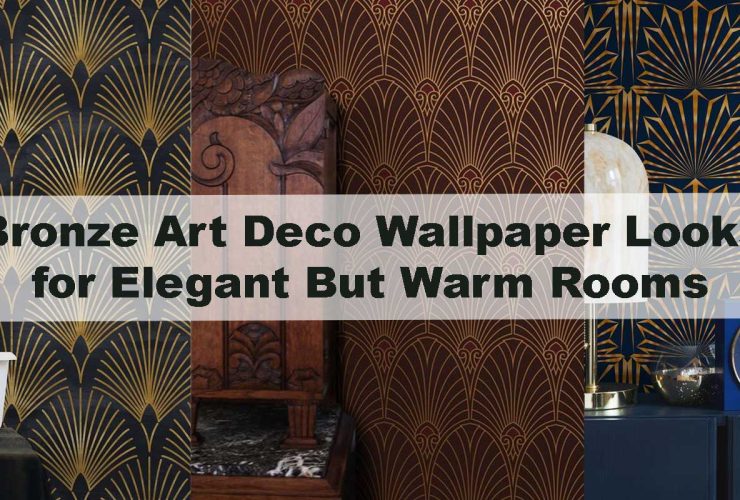
Not all neutral dining rooms are defined by sharp lines and minimal silhouettes. Spaces styled with creamy whites, warm taupes, curved furniture, or softer materials benefit from Art Deco patterns that introduce movement without rigidity. In these environments, fan and sunburst motifs often outperform strict geometry.
These patterns radiate outward, creating a gentle sense of expansion that feels welcoming rather than formal. The curves soften the room’s edges while maintaining the symmetry that defines Art Deco, allowing walls to feel expressive without overpowering neutral furnishings. This makes them particularly well-suited to dining rooms designed for hosting, where warmth and flow matter as much as visual refinement.
Fan and sunburst motifs work especially well with:
- Rounded or oval dining tables that echo curved repetition
- Upholstered chairs with soft contours
- Linen, boucle, or subtly textured fabrics
By balancing movement with structure, these motifs help neutral dining spaces feel intentional, inviting, and quietly celebratory—perfect for rooms centered around shared moments rather than strict formality.
Marble-Inspired Deco for Elevated Neutral Spaces
Neutral dining rooms often depend on texture rather than color to achieve richness, and marble-inspired Art Deco patterns excel precisely because they balance softness with structure. The organic movement of veining prevents the walls from feeling static, while crisp Deco linework introduces clarity and intention. The result is a surface that feels architectural and layered, more like a crafted wall finish than a decorative backdrop.
What makes marble-inspired Deco especially effective in dining spaces is its ability to slow the eye. Subtle tonal shifts encourage appreciation rather than distraction, creating an atmosphere that feels calm yet refined. This is why marble motifs are frequently chosen for formal dining rooms or spaces that visually connect to living areas—they transition gracefully without abrupt contrast. Designers often turn to Marble Art Deco Wallpaper when a dining space needs depth, sophistication, and visual interest without relying on bold color statements.
Abstract Deco Patterns for Contemporary Neutral Homes
In contemporary interiors where neutral furnishings are streamlined and understated, abstract Art Deco patterns often outperform more traditional motifs. Instead of strict repetition, these designs interpret Deco geometry in a looser, more fluid way, allowing the pattern to feel expressive without becoming dominant. This subtle abstraction keeps the dining area visually engaging while preserving its sense of calm.
Abstract Deco patterns are particularly successful when:
- Furniture silhouettes are clean and modern
- The dining area flows into adjacent spaces
- The goal is atmosphere rather than formality
In these settings, pattern functions as an architectural layer rather than a focal point, echoing the principles discussed in How Art Deco Wallpaper Enhances Modern Minimalist Furniture. When used thoughtfully, Abstract Art Deco Wallpaper integrates seamlessly into neutral dining spaces, adding depth and sophistication without interrupting the room’s quiet confidence.
Metallic Accents: Use With Restraint
Metallic detailing sits at the heart of Art Deco design, but in dining rooms with neutral furnishings, subtlety determines success. Soft gold, aged brass, or champagne-toned accents introduce warmth and gentle luminosity, catching light in a way that elevates the space without overpowering it. When handled carefully, metallics act less like decoration and more like architectural punctuation.
Rather than large metallic blocks or high-shine finishes, the most successful Art Deco dining spaces rely on refinement:
- Thin metallic linework that traces geometry without dominating it
- Light-reflective highlights that respond to evening lighting
- Muted metallic tones that feel brushed, satin, or softly aged
This approach allows metallic elements to harmonize with wood grains, upholstered seating, and stone or ceramic table surfaces. Thoughtfully selected Luxury Metallic Art Deco Wallpaper works best as a compositional layer—adding depth and elegance—rather than becoming the focal point itself.
Pattern Scale Matters More Than Color
In dining environments, pattern scale influences comfort far more than color strength. Meals are social, lingering experiences, and wall designs that feel too busy or oversized can disrupt that sense of ease. Small, intricate patterns often create visual noise, while overly large motifs may compete with table settings, lighting fixtures, and artwork.
Medium-scale Art Deco patterns strike the most effective balance:
- Clear enough to be appreciated from across the table
- Repetitive enough to feel ordered and intentional
- Controlled enough to maintain a calm dining atmosphere
This measured scale supports conversation rather than distracting from it, which is why structured Art Deco designs consistently outperform pictorial or highly ornate styles in dining spaces. The result is a room that feels composed, elegant, and comfortable—qualities that neutral furnishings rely on to truly shine.
Best Art Deco Pattern by Dining Room Size
| Dining Room Size | Best Pattern Style | Why It Works |
|---|---|---|
| Small dining space | Vertical geometric lines | Enhances height and visual clarity |
| Medium dining room | Fan or sunburst motifs | Adds movement without clutter |
| Large dining area | Marble or abstract Deco | Fills space without heaviness |
Final Verdict: Which Pattern Works Best?
For dining spaces with neutral furnishings, geometric line-based Art Deco patterns remain the most dependable choice. They introduce structure, reinforce symmetry, and elevate understated furniture without stealing focus. Curved motifs, marble-inspired designs, and abstract interpretations also perform beautifully when matched to room scale and lighting, but geometry forms the foundation that rarely disappoints.
When applied thoughtfully, Art Deco wallpaper transforms a neutral dining room into a space that feels intentional, balanced, and quietly luxurious—perfectly suited to both everyday meals and special gatherings.