3D Art Deco Effect Walls: Do They Really Add Drama to Interiors?
Flat walls rarely tell a story—but dimensional ones can completely change how a room feels.
In recent years, 3D Art Deco effect walls have emerged as one of the most talked-about interior design upgrades, especially for homeowners craving depth, glamour, and architectural presence. Unlike traditional wallpaper or painted finishes, these designs rely on shadow, geometry, and visual layering to create drama that feels intentional rather than decorative. Within the first glance, the space feels more sculpted, more refined, and unmistakably bold—qualities that sit at the heart of Art Deco design.
As interest grows in expressive interiors, many are questioning whether these walls truly live up to the hype. Do 3D Art Deco effect walls genuinely transform interiors, or are they simply another passing trend? To answer that, it helps to understand how Art Deco’s structured elegance pairs so naturally with dimensional surfaces—and why designers continue to return to this style when visual impact matters most.
What Defines a 3D Art Deco Effect Wall?
Geometry as Architecture, Not Decoration
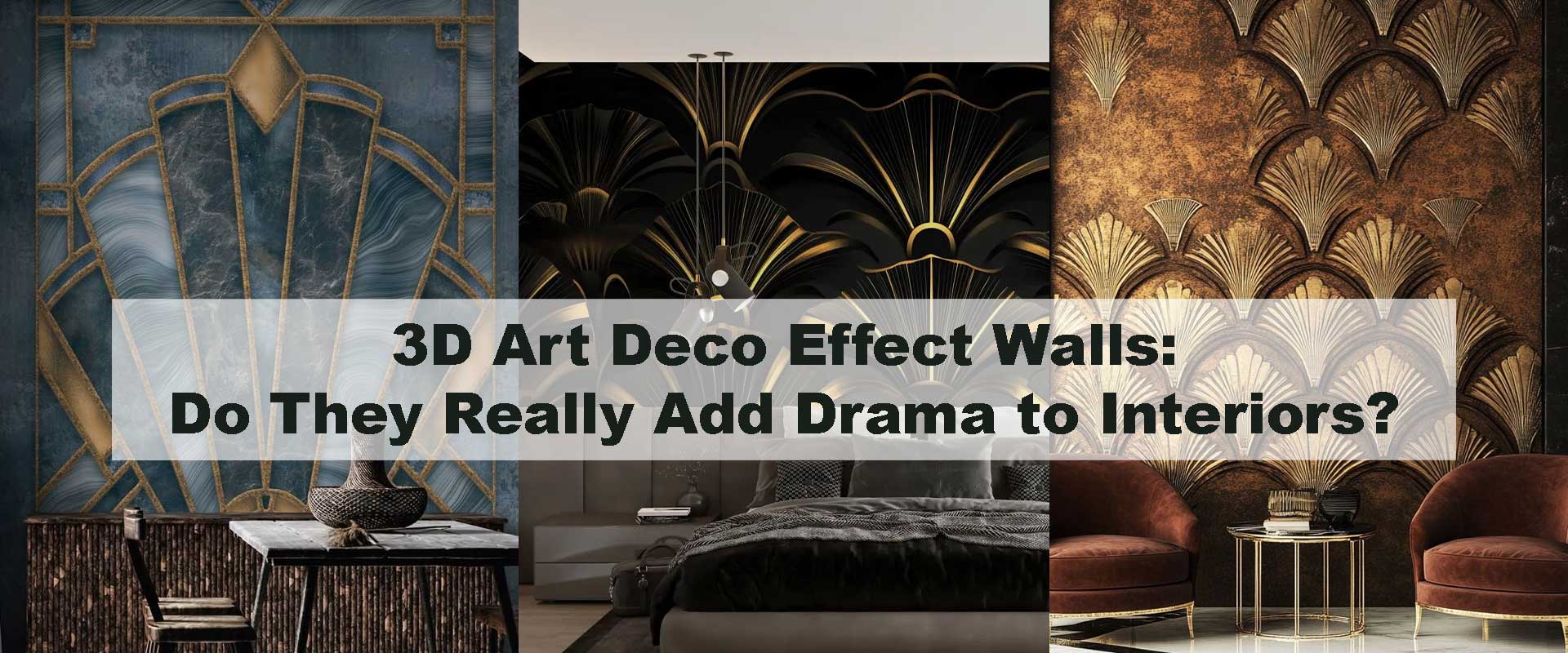
A true 3D Art Deco effect wall goes far beyond surface patterning—it uses geometry to echo architectural relief. Repeating arches, stepped silhouettes, sunburst radiations, and layered linear compositions are arranged to simulate depth and structural presence, even when the wall remains physically flat. The visual experience feels closer to bespoke wall paneling or sculptural cladding than to conventional wallpaper.
This distinction is central to Art Deco itself. The style has always prioritized order, symmetry, and architectural strength over softness or ornament for ornament’s sake. When these principles are translated into dimensional visuals, the wall becomes a spatial anchor. It establishes hierarchy within the room, guiding the eye and grounding surrounding furnishings with a sense of intention. As light moves across these geometric forms, the surface feels dynamic—never static—shifting subtly throughout the day.
Depth Created Through Light and Shadow
The drama of a 3D Art Deco wall is largely shaped by how it controls light. Raised lines and recessed planes catch illumination differently, allowing shadows to naturally trace the geometry. This interplay highlights rhythm and repetition, reinforcing the architectural logic behind the design rather than distracting from it.
In spaces with directional lighting or generous natural light, this effect becomes even more pronounced. Shadows evolve as the day progresses, introducing gentle movement without visual noise. For this reason, designers often describe 3D Art Deco walls as experiential rather than merely decorative. The wall doesn’t sit passively behind furniture—it actively contributes to atmosphere, mood, and spatial depth, shaping how the room feels as much as how it looks.
Why Drama Matters in Interior Design
Visual Tension Creates Interest
In interior design, drama isn’t about excess—it’s about visual tension. The most compelling spaces balance restraint with expression, allowing the eye to engage without feeling overwhelmed. Flat, neutral walls often recede entirely, especially in modern interiors where furniture is minimal and color palettes are controlled. Without contrast, these spaces can feel incomplete or emotionally flat.
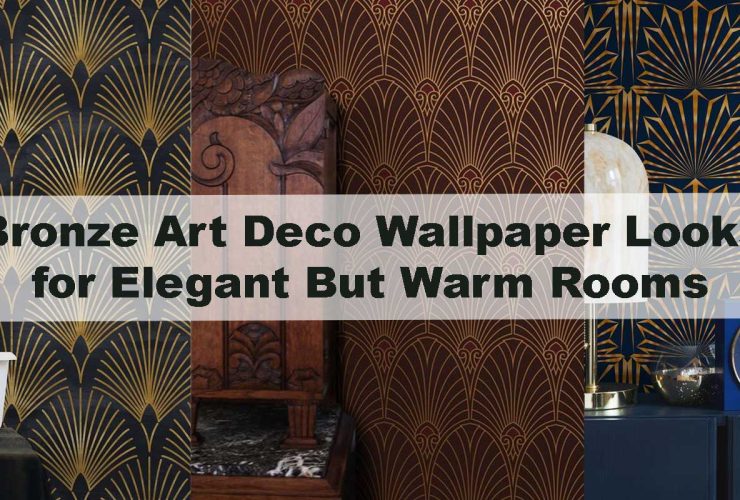
A 3D Art Deco effect wall introduces contrast through structure rather than clutter. Repetition and symmetry provide order, while dimensional geometry delivers impact. This balance explains why Art Deco continues to resurface in contemporary interiors, as discussed in Why Art Deco Wallpaper Is Returning as the Biggest Luxury Design Trend. It offers drama that feels disciplined, not decorative.
Creating a Sense of Permanence
Drama also plays a psychological role in how we experience space. Dimensional walls feel intentional—almost as if they were part of the original architecture. This perceived permanence elevates interiors, shifting them from styled to considered. Instead of appearing changeable or trend-led, the space feels established and confident.
In open-plan homes or apartments, this quality becomes especially valuable. A 3D Art Deco wall can define zones—separating living, dining, or working areas—without physical barriers. The result is a layout that feels both fluid and purposeful, using visual drama to introduce function as well as refinement.
How 3D Art Deco Effect Walls Transform Different Spaces
Living Rooms That Command Attention
In living rooms, 3D Art Deco effect walls often eliminate the need for layered décor by becoming the room’s defining visual anchor. A single feature wall placed behind a sofa or media unit can establish structure, direction, and hierarchy within the space. The geometry naturally draws the eye upward and outward, subtly expanding the perceived scale of the room while giving it a more intentional, architectural feel.
When paired with tactile materials like velvet upholstery, lacquered finishes, or brushed brass accents, the effect becomes cinematic rather than overwhelming. Light glides across dimensional lines, creating contrast that feels curated instead of decorative. This is why many homeowners gravitate toward sculptural patterns from curated 3D Effect Art Deco Wallpaper selections—these designs deliver drama that feels grounded, refined, and effortlessly confident.
Bedrooms With Depth and Calm
Although drama may seem at odds with rest, 3D Art Deco walls perform beautifully in bedrooms when symmetry and restraint guide the design. Balanced patterns and controlled color palettes introduce depth without visual agitation, allowing the wall to feel composed rather than dominant. Soft metallic inflections or tonal layering add quiet richness, enhancing atmosphere without disturbing calm.
Placed behind the headboard, a dimensional Art Deco wall acts as a grounding backdrop that brings structure to the room. It frames the sleeping area much like architectural paneling would, reinforcing comfort through order and repetition. This refined balance closely mirrors the design philosophy explored in Black and Gold Art Deco Bedroom Walls That Feel Like a 5-Star Hotel, where contrast and depth are used to evoke luxury without excess.
Dining Areas That Feel Architectural
Dining spaces are particularly receptive to dimensional design because they benefit from slower, more deliberate visual engagement. Repeating Art Deco patterns echo the rhythm of gathering and conversation, while vertical lines, stepped forms, or arched motifs introduce height and ceremonial presence. The wall becomes less of a backdrop and more of a spatial framework for shared moments.
In dining rooms styled with neutral palettes, a 3D Art Deco effect wall often becomes the defining element that elevates the entire setting. Warm, directional lighting enhances shadow play across the geometry, while understated furnishings allow the wall’s structure to lead the experience. The result feels architectural and composed—transforming everyday dining into something quietly theatrical.
Are 3D Art Deco Walls Overpowering?
Scale and Pattern Selection Matter
One of the most common concerns around 3D Art Deco walls is whether they feel visually overwhelming. In reality, drama is determined far more by scale than by the style itself. Large, intricate motifs thrive in expansive rooms with generous ceiling height, where repetition has space to unfold without crowding the eye. In more compact interiors, tighter geometries and streamlined line work maintain impact while preserving balance.
When a design aligns with a room’s proportions, the result feels immersive rather than imposing. The wall reads as an architectural enhancement, not a decorative interruption. Subtle relief effects—frequently found in refined Textured Art Deco Wallpaper—provide an accessible starting point for those exploring dimensional design, offering depth without visual overload.
Color Controls Intensity
Color choice plays an equally powerful role in shaping how dramatic a 3D Art Deco wall appears. High-contrast combinations exaggerate depth by sharpening edges and shadow lines, delivering bold, statement-making energy. Tonal palettes, on the other hand, create a more restrained form of drama—one rooted in light, shadow, and surface movement rather than color contrast.
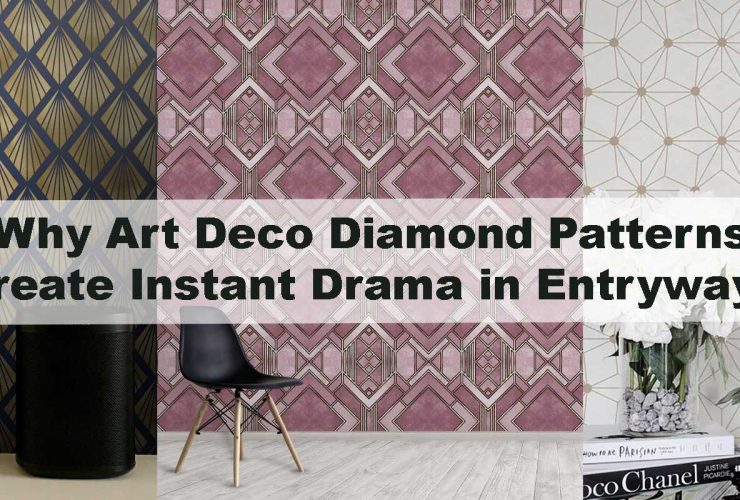
This adaptability allows dimensional Art Deco walls to sit comfortably across a wide range of interiors, from expressive, layered spaces to pared-back modern homes. Many minimalist interiors now rely on sculptural wall depth instead of strong color to introduce character, a principle explored in How Art Deco Wallpaper Enhances Modern Minimalist Furniture. In these settings, geometry becomes the statement, proving that bold design doesn’t always require bold color.
3D Art Deco vs Traditional Feature Walls
| Feature | 3D Art Deco Effect Walls | Flat Painted or Patterned Walls |
|---|---|---|
| Visual Depth | High, created through geometry and shadow | Minimal, relies on color only |
| Light Interaction | Dynamic throughout the day | Static appearance |
| Architectural Feel | Strong, sculptural presence | Decorative only |
| Longevity | Timeless Art Deco structure | Trend-dependent |
This comparison highlights why many designers favor dimensional Art Deco walls when aiming for lasting impact rather than short-term trends.
Materials and Finishes That Enhance the Effect
Metallic Accents for Maximum Drama
Metallic accents play a pivotal role in amplifying the three-dimensional impact of Art Deco walls. Finishes like brushed gold, champagne, and warm bronze don’t merely add shine—they interact with geometry by catching light along edges, grooves, and layered forms. This reflective behavior sharpens visual depth, making patterns feel more sculptural and architectural rather than ornamental.
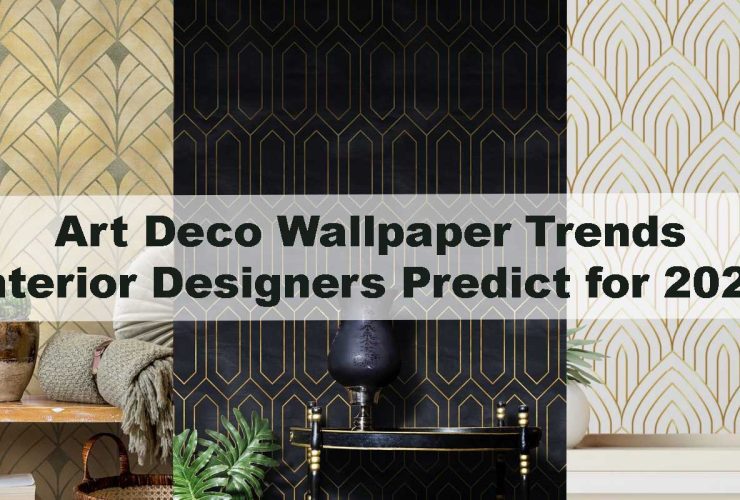
What makes metallics especially effective in Art Deco is their restraint. Instead of overwhelming the wall, thin metallic lines and soft luster highlights create controlled glamour that feels refined and intentional. This principle aligns closely with insights shared in Are Metallic Gold Art Deco Patterns Worth the Investment for Interiors?, where reflective finishes are valued not just for luxury, but for their ability to enhance perceived depth and long-term visual richness.
Marble and Stone Illusions
Marble- and stone-inspired finishes introduce a contrasting softness that elevates 3D Art Deco walls beyond rigid geometry. Natural veining patterns weave through structured lines, creating a dialogue between organic movement and architectural order. This balance prevents dimensional designs from feeling too sharp or mechanical, especially in spaces meant to feel composed and elegant.
These illusions are particularly effective in formal or transitional interiors, where subtle luxury is preferred over bold statement-making. The gentle variation found in marble visuals slows the eye, encouraging appreciation of depth, texture, and pattern layering. Rather than shouting for attention, these walls communicate sophistication through quiet complexity.
Lighting: The Secret Ingredient
Directional Lighting Enhances Dimension
Lighting is often the defining factor that determines whether a 3D Art Deco wall truly comes alive. Directional sources such as wall washers, sculptural sconces, or angled ceiling lights skim across geometric surfaces, intensifying highlights and shadows. This grazing effect sharpens edges and deepens recesses, transforming static patterns into dynamic architectural features.
Without intentional lighting, even the most intricate dimensional design can lose its impact. That’s why designers increasingly treat wall finishes and lighting as a single design decision. When planned together, the result feels cohesive, immersive, and deliberately crafted rather than decorative.
Natural Light Adds Movement
Natural light introduces a different kind of drama—one rooted in time and movement. As sunlight shifts throughout the day, shadows migrate across raised forms, subtly altering the wall’s appearance. This creates a living surface that evolves from morning to evening, adding visual interest without introducing clutter or color changes.
In rooms with generous windows, 3D Art Deco walls gain an almost cinematic quality. The interplay between geometry and daylight delivers depth that flat walls simply cannot achieve, reinforcing why dimensional design continues to resonate in modern interiors seeking both elegance and atmosphere.
Are 3D Art Deco Effect Walls Practical?
Easy to Maintain Visually
Despite their layered and architectural appearance, most 3D Art Deco effect walls are remarkably low-maintenance in everyday living. Because the depth is created through visual illusion—clever geometry, shading, and pattern engineering—there are no raised surfaces to collect dust or require special care. Maintenance remains comparable to traditional wallpaper, making it a practical choice even for busy households.
In fact, the structured repetition of Art Deco patterns works to your advantage over time. Subtle marks, light fluctuations, or natural shadows are far less noticeable on dimensional designs than on flat, solid walls. This built-in visual camouflage helps the wall maintain a refined, polished appearance for years without constant upkeep.
Long-Term Design Value
Art Deco’s enduring appeal lies in its disciplined use of symmetry, proportion, and geometry—principles that rarely fall out of favor. Unlike trend-driven prints that can feel dated within a few years, 3D Art Deco effect walls age with quiet confidence. Their architectural quality allows them to feel intentional rather than decorative, which is why they continue to resonate across changing interior styles.
This sense of longevity is also why dimensional Deco designs are frequently highlighted within curated Art Deco Wallpaper collections created for statement interiors. Rather than following trends, these walls establish a lasting visual identity that evolves naturally with furniture, lighting, and décor updates.
When 3D Art Deco Walls Work Best
Statement Over Saturation
The true power of a 3D Art Deco wall emerges through restraint. A single feature wall often delivers far more drama than wrapping an entire room in pattern. This focused approach allows the geometry to command attention while giving the surrounding space room to breathe, preventing visual fatigue.
By limiting application, the wall becomes a deliberate architectural moment rather than background noise. This balance is especially effective in living rooms, dining spaces, and bedrooms where one strong visual anchor can define the entire mood of the room.
Complementing, Not Competing
For the design to feel cohesive, surrounding elements should quietly support the wall rather than challenge it. Furniture with clean lines, refined materials, and minimal ornamentation allows the geometric structure to remain the focal point. Lighting should enhance depth, not flatten it, while accessories should echo tones rather than introduce competing patterns.
When everything works in harmony, the 3D Art Deco wall doesn’t overpower the space—it elevates it. The result is an interior that feels intentional, balanced, and unmistakably sophisticated rather than overly styled.
Frequently Asked Questions
Do 3D Art Deco effect walls make rooms feel smaller?
Not when chosen correctly. Vertical or stepped patterns can actually enhance height perception, while balanced geometry prevents visual clutter.
Can 3D Art Deco walls work in modern homes?
Absolutely. Their structured lines pair beautifully with contemporary furniture, adding depth without disrupting modern simplicity.
Are these walls suitable for rental spaces?
Yes, especially peel-and-stick versions that deliver visual drama without permanent changes.
Do they suit neutral interiors?
Neutral palettes often benefit the most, as dimensional patterns add interest without introducing bold color.
Conclusion
So, do 3D Art Deco effect walls really add drama to interiors? The answer is a confident yes—when used with intention. By combining geometry, light, and shadow, these walls transform flat surfaces into architectural features that elevate entire rooms. They don’t rely on excess color or ornamentation; instead, they create drama through structure, rhythm, and depth.
For homeowners seeking interiors that feel curated, expressive, and timeless, 3D Art Deco effect walls offer a powerful design solution. When thoughtfully paired with lighting and furnishings, they move beyond trend status and become defining elements of modern luxury spaces.