What’s the Best Wallpaper for Humid Areas?
Humidity can quietly ruin a beautifully styled interior if the wrong wall finish is chosen. In rooms like bathrooms, kitchens, or laundry spaces, condensation and steam can cause ordinary wallpaper to bubble, peel, or grow mold. Choosing the best wallpaper for humid areas ensures both beauty and performance. Today’s advanced materials make it possible to enjoy pattern and texture without worrying about dampness. From durable vinyl to breathable non-wovens, every choice balances design appeal with moisture control for a flawless finish that lasts.
Why Moisture-Resistant Wallpaper Matters
Humidity affects more than appearance—it weakens adhesive and invites mold. Wallpaper designed for humid environments solves this by resisting water absorption while maintaining decorative charm. The result is a wall covering that performs beautifully even in spaces where steam and splashes are constant companions.
Moisture-friendly wallpaper also expands design possibilities. A vintage floral wallpaper can create a nostalgic spa mood in a small ensuite, while modern floral wallpaper brings vibrant personality to a steamy kitchen. The versatility of these materials ensures your favorite aesthetic thrives regardless of climate.
Vinyl Wallpaper: The Top Performer in Humidity
Vinyl wallpaper remains the most dependable option for humid conditions. Its plasticized surface prevents moisture from seeping through, allowing easy cleaning and long-term durability. Solid vinyl performs best near baths or showers, while vinyl-coated paper works well for kitchens or laundry rooms where splashes are occasional.
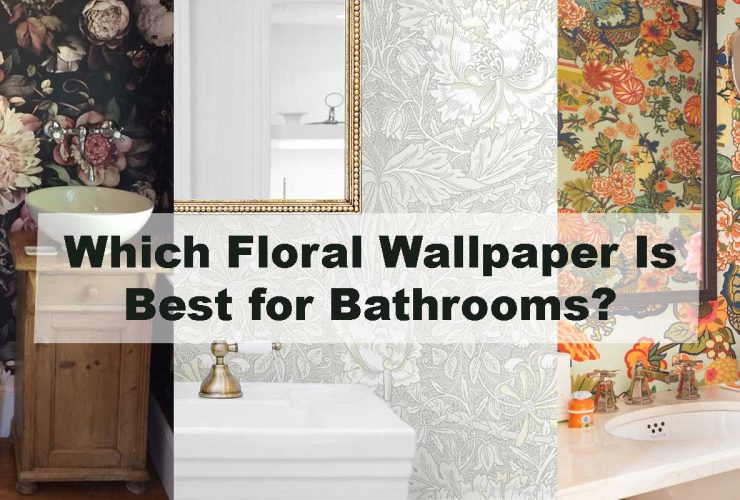
Within this category, you’ll find elegant designs across the floral wallpaper collection, including moisture-resistant finishes like bathroom floral wallpapers that combine protection with refined detailing. Light vinyl florals open up compact bathrooms, while moody dark patterns create serene, spa-like atmospheres that feel indulgent yet practical.
Peel & Stick Wallpaper: Convenient and Resilient
For flexible updates in moderately humid spaces, peel & stick wallpaper offers convenience and style. High-quality varieties feature a protective layer that repels light moisture, making them ideal for powder rooms, laundry corners, or kitchens. Their ease of removal and repositioning makes them perfect for renters or seasonal decorators.
When installed on properly prepared walls, peel & stick wallpaper can last for years without losing adhesion. Insights shared in How Long Does Peel & Stick Wallpaper Last? show that regular cleaning and stable room conditions greatly extend its lifespan.
Fiberglass Wallpaper: Built for Demanding Conditions
Fiberglass wallpaper takes moisture resistance a step further. Its woven glass composition makes it both fire-safe and mold-proof while allowing the wall to breathe naturally. This balance of durability and ventilation ensures trapped condensation doesn’t form behind the surface—a common issue in sealed environments.
While it offers fewer patterns, fiberglass can be painted for a seamless finish that suits modern minimalist interiors or commercial wellness spaces where hygiene is essential.
Non-Woven Wallpaper: Breathable and Stylish
Non-woven wallpaper, made from cellulose and synthetic fibers, delivers dependable stability in fluctuating temperatures. It won’t stretch or shrink with humidity changes, preventing seam distortion. This makes it perfect for softly lit kitchens or compact bathrooms that experience daily steam.
Design lovers often choose non-woven floral wallpaper for its tactile appeal and easy maintenance. Variations within modern floral wallpapers highlight how subtle matte textures and botanical patterns can elevate humid rooms while maintaining structural integrity.
Designing for Damp Environments
Moisture-resistant wallpaper no longer means sacrificing elegance. From marble-effect vinyl to tropical florals, there’s a finish for every mood. Light pastel florals visually enlarge small bathrooms, while dark blooms add depth and warmth. In kitchens, watercolor patterns paired with brass fixtures create a balanced mix of functionality and charm, as reflected in watercolor floral wallpaper collections.
Homeowners often combine these patterns with light-reflective tiles or natural stone countertops to achieve a cohesive design language that feels both fresh and sophisticated.
Best Practices for Installing Wallpaper in Humid Areas
Correct installation determines how well wallpaper withstands humidity. Even premium vinyl needs the right foundation.
- Prepare the Wall – Start with smooth, dry surfaces. Apply a mold-resistant primer to block moisture absorption.
- Use Proper Adhesive – Opt for waterproof or mildew-resistant paste. This ensures strong adhesion under steam exposure.
- Seal the Edges – Run a fine silicone bead along joints near sinks or tubs to protect from seepage.
- Ensure Ventilation – Good airflow keeps humidity levels steady and prevents bubbling.
These same principles are explored in Vinyl vs Fabric Wallpaper Durability Comparison, where installation technique determines how each material performs in long-term moisture resistance.
Rooms That Benefit Most from Humidity-Proof Wallpaper
Bathrooms
Bathrooms are the toughest environment for wallpaper. Vinyl and non-woven designs perform best here, especially when combined with ventilation and sealing. For tranquil tones and enduring quality, floral bathroom wallpapers in gentle shades deliver both calm and protection.
Kitchens
Kitchens experience frequent humidity shifts from boiling water and cooking steam. Washable vinyl wallpapers resist stains and are easy to wipe clean. Patterns with organic textures or vintage floral details soften the space while maintaining practicality.
Laundry Rooms
Typically overlooked, laundry areas gain personality with non-woven or peel & stick wallpapers. Their resistance to heat and moisture keeps walls fresh while adding visual interest.
Caring for Wallpaper in Humid Spaces
Routine maintenance protects even the most advanced materials. Wipe walls gently with a soft damp cloth and mild soap to remove residue. Avoid abrasive cleaners that can dull finishes. Reseal lifted edges quickly and maintain ventilation after showers or cooking. Consistent care ensures your wallpaper remains as vibrant as day one.
Common Mistakes to Avoid
- Skipping primer, which weakens adhesion.
- Installing on damp or freshly painted walls.
- Ignoring ventilation needs.
- Using traditional paper wallpapers not designed for humidity.
Preventing these mistakes—combined with insights from Waterproof Wallpapers for Bathrooms and Kitchens—helps achieve professional, long-lasting results in moisture-heavy areas.
Moisture-Resistant Wallpaper Options
| Wallpaper Type | Moisture Resistance | Cleaning Ease | Design Range | Ideal Rooms |
|---|---|---|---|---|
| Vinyl | Excellent | Very Easy | Vast | Bathrooms, Kitchens |
| Peel & Stick | Good | Easy | Moderate | Powder Rooms |
| Non-Woven | Good | Easy | High | Bedrooms, Laundry Rooms |
| Fiberglass | Excellent | Easy | Limited | Spas, Commercial Spaces |
Vinyl ranks highest overall, offering longevity and diverse design, while non-woven styles excel where moderate humidity meets refined aesthetics.
Trending Humid-Area Wallpaper Styles
Designers increasingly blend practicality with luxury through botanical, textured neutral, and metallic-accented wallpapers. A moody dark floral wallpaper brings dramatic flair to compact powder rooms, while a white floral wallpaper softens bright kitchens for an elegant, breathable feel. In transitional interiors, abstract floral wallpaper bridges classic patterning with modern restraint, ensuring humid zones look curated rather than purely functional.
Environmental Factors That Influence Wallpaper Lifespan
Humidity interacts with heat, airflow, and lighting. Prolonged exposure to trapped steam shortens adhesive life, while poor ventilation encourages mildew. Installing exhaust fans, using dehumidifiers, and keeping airflow consistent enhances wallpaper performance. Together with the right material, these small adjustments ensure your design remains flawless over time.
FAQs About Wallpaper for Humid Areas
1. Can wallpaper last long in humid conditions?
Yes. With materials like vinyl, fiberglass, or treated non-woven wallpaper, you can enjoy years of beauty and durability without peeling or fading.
2. Is peel & stick wallpaper suitable for bathrooms?
It suits lightly humid spaces when walls are properly primed and dry. For higher humidity, waterproof vinyl options perform better.
3. How can I prevent mold behind wallpaper?
Apply a mold-resistant primer and maintain airflow. Breathable materials like non-wovens allow moisture to escape safely.
4. What wallpaper works best in kitchens?
Vinyl wallpaper resists grease, steam, and stains, staying fresh after simple wiping.
5. Should I seal wallpaper edges in damp rooms?
Yes, sealing prevents water from entering seams and extends the life of the wallpaper.
Conclusion
The best wallpaper for humid areas delivers durability and design in perfect harmony. Vinyl leads with waterproof resilience, while non-woven varieties bring breathable comfort and style. Fiberglass suits commercial or spa environments, and peel & stick wallpapers provide flexibility for light-humidity spaces.
From bathroom floral wallpapers to vintage floral wallpaper collections, every choice merges artistry with function. Pair these with insights from Wallpaper vs Wall Mural – What’s Best for You? to confidently design spaces that stay beautiful no matter how steamy they get.