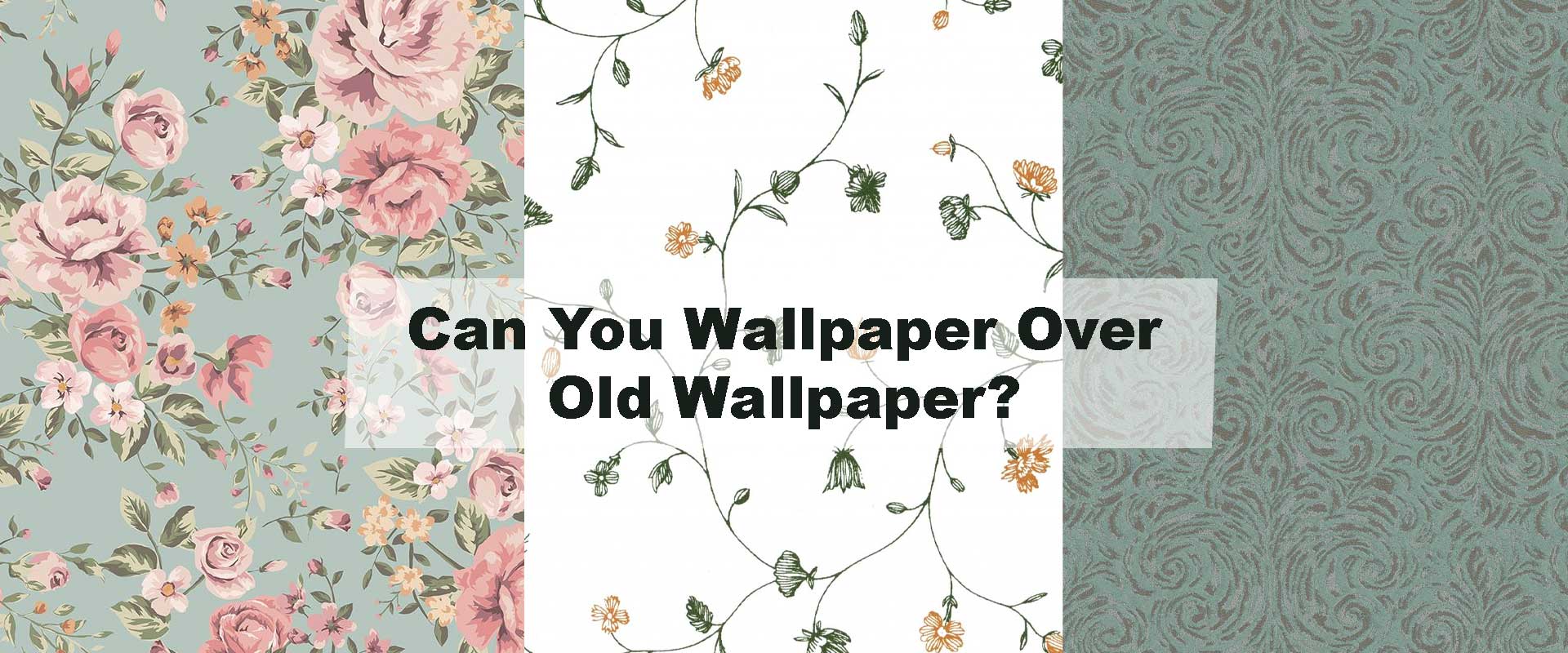
Can You Wallpaper Over Old Wallpaper?
When walls feel outdated but removal sounds exhausting, many homeowners ask — can you wallpaper over old wallpaper? The answer is yes, provided the existing layer is secure, dry, and free from texture. This method saves time, prevents wall damage, and allows stylish reinvention without messy stripping. With the right preparation and materials, a tired space can transform into a design statement that looks freshly built, whether through modern patterns or timeless floral motifs that bring instant charm.
When Wallpapering Over Old Wallpaper Works Best
Wallpapering over an existing layer isn’t just convenient — it can be efficient when conditions are right. If the old wallpaper is firmly attached, smooth, and clean, it becomes a solid base for the next layer. Minor textures can even add subtle depth beneath new designs. In many older homes, this approach protects fragile plaster while achieving an elegant update.
Choosing durable, moisture-resistant patterns such as bathroom floral wallpapers ensures long-lasting beauty, especially in humid environments. These designs pair practicality with artistry, proving that careful selection often outperforms complete removal.
When You Shouldn’t Wallpaper Over Existing Layers
There are times when adding a new layer can create more issues than it resolves. If the old wallpaper shows curling seams, bubbling, or damp discoloration, covering it will only trap those flaws beneath the surface. Multiple existing layers, glossy vinyl coatings, or greasy residues can also prevent new paste from bonding properly. As the adhesive struggles to grip, air pockets form — leading to peeling, mildew, or an uneven finish that ruins the new design’s appeal.
In bathrooms or kitchens, where humidity is constant, moisture can seep between layers and lift edges over time. If you detect a musty smell, visible stains, or crumbling paper, full removal is the wiser path. Though it takes longer, stripping ensures a clean, breathable surface that supports lasting results and future redecorating without risk.
Preparing Walls Properly Before Applying New Wallpaper
Flawless wallpapering begins long before the first strip is applied. Proper preparation transforms a questionable wall into a dependable canvas for new designs.
1. Clean and Dry Completely
Start by washing the old wallpaper with a mild detergent or sugar soap solution to remove grease, dust, and old adhesive. Rinse gently and let the wall dry overnight. A clean surface prevents trapped grime that can weaken adhesion.
2. Secure Loose Edges
Inspect corners and seams closely. Re-glue any lifted edges and sand ridges smooth to maintain an even surface. Even the smallest raised edge can cast a shadow or show through delicate prints, especially lighter ones like those from the white floral wallpaper collection.
3. Apply Primer or Liner
Priming creates a neutral base, sealing old patterns and ensuring the new paste bonds evenly. For heavily printed or dark wallpaper, consider adding lining paper — it smooths texture, hides color contrasts, and enhances longevity. This extra step is particularly useful when switching to softer designs such as pink floral wallpapers.
4. Test Adhesion First
Before applying the full roll, paste a small strip of your new wallpaper onto the wall. Allow it to dry for 24 hours. If it remains firm and smooth, you’re ready to proceed. Testing saves time and prevents surprises after installation.
Proper preparation may feel meticulous, but it’s the foundation of a seamless result that looks freshly applied, not layered.
Choosing the Right Wallpaper Type for Layering
Material choice plays a major role in how successful the layering process becomes. Certain wallpapers bond better, conceal more, and resist moisture longer than others.
Vinyl Wallpapers for Strength and Endurance
Vinyl wallpapers remain the most forgiving choice for covering old layers. Their durability and slight flexibility make them ideal for humid zones or areas prone to wear. Thick vinyl patterns — especially rich tones from dark floral wallpapers — effortlessly hide unevenness while adding sophistication and contrast.
Non-Woven Wallpapers for Breathability
Non-woven wallpapers are crafted for easy handling and air circulation. They reduce the risk of mold between layers while offering a smooth finish that suits both modern and traditional interiors. Their breathable fibers make them perfect for well-ventilated living spaces or creative home offices.
Fabric-Backed Wallpapers for Concealing Texture
When subtle embossing or fine ridges exist, fabric-backed wallpapers provide the thickness needed to mask them entirely. These wallpapers carry a soft, tactile quality ideal for hallways, bedrooms, and accent walls, where depth and refinement matter most.
Each material brings its strengths — the key is balancing visual texture with surface condition for the most harmonious outcome.
Best Patterns to Hide Imperfections
Pattern selection can make or break the success of layering over existing wallpaper. Dense, rhythmic designs tend to camouflage irregularities more effectively than minimal ones.
- Dark botanical florals with layered petals or foliage conceal shadows and uneven tones.
- Soft watercolor blooms blur edges naturally, disguising fine ridges and texture.
- Vintage floral prints add timeless elegance while diverting the eye from imperfections.
If your goal is to lighten a compact space, muted designs from floral wallpapers for bedrooms can make the area feel open and calm. In contrast, dramatic tones such as those found in vintage floral wallpapers lend warmth and artistry to walls that may otherwise feel dated.
Common Mistakes to Avoid When Wallpapering Over Old Wallpaper
Even experienced decorators can make small missteps that impact the final look. Avoiding these pitfalls ensures your layered project feels cohesive and professional:
- Skipping cleaning — adhesive won’t bond over grease or dust.
- Neglecting seam repairs — loose edges eventually lift beneath new paper.
- Choosing thin wallpaper — patterns beneath may bleed through.
- Ignoring humidity control — damp air weakens paste strength.
- Skipping primer — the base layer’s color or texture can reappear later.
Attention to these small details prevents long-term maintenance issues and ensures the new design remains flawless for years.
Expert Techniques for a Flawless Result
Professionals rely on subtle techniques that make wallpaper layering indistinguishable from a full installation.
- Align new strips in the same direction as the previous pattern to minimize visible seams.
- Apply adhesive to the wallpaper, not the wall, to control moisture exposure and prevent bubbling.
- Smooth from the center outward using a wallpaper brush to release trapped air gently.
- Trim corners precisely, allowing a light overlap for a perfectly neat edge.
A steady hand and careful sequencing create the polished appearance expected from premium interiors. Combining these techniques with elegant textures — like those featured in modern floral wallpapers — ensures that even layered walls radiate refined craftsmanship and balance.
Can You Wallpaper Over Vinyl Wallpaper?
Vinyl wallpapers pose challenges because they resist moisture. However, if removal risks damage, layering is still possible. Lightly sand or score the vinyl to open micro-pores, then apply a primer that promotes adhesion. Once dry, your surface can hold a new non-woven or fabric-backed wallpaper securely.
For areas exposed to higher humidity, pairing breathable materials with strong patterns such as modern floral wallpapers maintains both charm and resilience.
Design Advantages of Wallpaper Layering
Applying wallpaper over old wallpaper offers more than convenience. Each added layer provides slight insulation, softens acoustics, and introduces dimension. It also protects fragile plaster surfaces from moisture and scraping.
This method allows creative freedom — switching to bold color palettes, botanical themes, or textured florals instantly refreshes interiors. Patterns from white floral wallpapers work beautifully in bright spaces, while darker palettes lend cozy sophistication without visible flaws beneath.
Sustainable and Eco-Friendly Design Approach
Layering wallpaper responsibly can align with sustainability goals. By skipping the removal process, you reduce waste and chemical cleaners. Opting for eco-safe adhesives and recycled, PVC-free wallpaper materials further enhances your home’s environmental profile.
Earth-inspired designs from green floral wallpapers complement this mindset, bringing the calm of nature indoors while minimizing renovation impact.
Maintenance After Wallpapering Over Old Layers
To maintain your refreshed walls:
- Clean gently using soft cloths and mild soap.
- Keep consistent humidity indoors.
- Repair lifted seams promptly with adhesive.
- Avoid abrasive sponges or excessive moisture.
These small habits extend the lifespan of your layered walls, keeping them crisp and inviting for years.
Cost and Time Comparison: Remove vs. Cover
| Aspect | Removing Wallpaper | Wallpapering Over |
|---|---|---|
| Time | 1–2 days | 3–5 hours |
| Cost | Moderate to High | Low |
| Wall Damage Risk | High | Minimal |
| Finish Quality | Excellent if walls smooth | Excellent with proper prep |
| Eco Impact | More waste | Less waste |
For fast, affordable makeovers, layering is often the smarter route — particularly when working with stable surfaces and high-quality materials.
Practical Scenarios Where Layering Excels
Layering wallpaper over an existing design isn’t just a timesaver — it’s a strategic design choice that shines in specific situations. In rental properties, for example, where permanent renovations are often restricted, this method offers a reversible yet transformative solution. Peel-and-stick wallpapers or non-woven varieties can refresh entire rooms within hours, and when it’s time to move, they peel away cleanly without damaging the walls beneath.
In historic homes, where fragile plaster or ornate cornices make removal risky, layering preserves structural integrity while breathing new life into aged interiors. A well-chosen pattern from the vintage floral wallpaper collection can subtly highlight a home’s heritage charm while concealing years of wall texture beneath.
For seasonal refreshes, layering also provides effortless adaptability. Whether preparing for spring gatherings or cozy winter evenings, quick swaps using lightweight floral designs maintain an ever-evolving mood. Patterns that echo natural tones or soft watercolors from floral wallpapers for living rooms keep spaces feeling renewed throughout the year, proving that layering can be both practical and beautifully dynamic.
Troubleshooting After Installation
Even with careful preparation, small imperfections can occasionally appear — but these are easily corrected with patience and precision.
Bubbles or Raised Spots
Air pockets can form if paste wasn’t evenly distributed. Use a pin to pierce the bubble gently, then smooth it with a wallpaper brush or damp cloth, moving outward to release trapped air.
Peeling Edges or Seams
Edges that lift slightly can be secured with a small amount of wallpaper adhesive. Press firmly with a seam roller and wipe away excess paste immediately to avoid shiny marks.
Color Shadows or Show-Through
If faint outlines of the old pattern are visible, apply a matte primer before the next wallpaper update, or select a dense design such as dark floral wallpapers to mask residual tones completely.
Moisture or Mold Patches
In humid environments, condensation can lead to mildew between layers. Gently remove affected sections, dry the wall thoroughly, and treat it with a mild anti-mold solution before reapplying.
By tending to small flaws as soon as they appear, your walls retain a polished, professional look. When combined with durable materials and timeless designs like modern floral wallpapers, these maintenance steps ensure your layered interior remains effortlessly elegant and long-lasting.
Why Floral Wallpapers Excel for Layered Walls
Floral patterns naturally disguise surface inconsistencies while adding warmth and movement. Their organic flow softens geometry and hides faint ridges underneath.
Designs from our floral wallpaper collection offer endless variation — from gentle pastels to bold abstract botanicals. Watercolor florals bring tranquility to small rooms, while larger blooms create impactful focal points that transform dated walls into refined statements.
To deepen the sense of luxury, pair them with subtle texture contrasts inspired by insights shared in Why Designers Are Returning to Dark Florals.
FAQs About Wallpapering Over Old Wallpaper
1. Is it safe to wallpaper over existing wallpaper?
Yes, provided the base is clean, dry, and securely attached. Priming improves adhesion and prevents color bleed.
2. Can I wallpaper over vinyl wallpaper?
Yes, but lightly sand and prime it first so the new layer bonds properly.
3. Will the old pattern show through?
Thicker wallpapers or floral designs conceal old patterns completely.
4. How many layers are acceptable?
Two maximum. More layers trap moisture and weaken adhesion.
5. Can I later remove the new layer without damage?
If you used primer or lining paper, it should peel cleanly with minimal effort.
6. Which wallpaper type hides imperfections best?
Vinyl and non-woven wallpapers paired with dense florals offer the best coverage.
7. Does layering affect indoor air quality?
Not when using non-toxic adhesives and breathable wallpaper materials.
Conclusion
So, can you wallpaper over old wallpaper? Yes — when the surface is sound, primed, and properly prepared. This technique revives interiors with minimal effort, keeping walls intact while introducing renewed personality. From textured vinyls to romantic florals, layering lets creativity flourish without demolition.
Whether you’re adding warmth to a living area or enhancing elegance in a powder room, floral wallpapers remain the most forgiving and transformative choice. With mindful application and durable materials, your renewed walls will tell a seamless story of timeless design and careful craftsmanship.