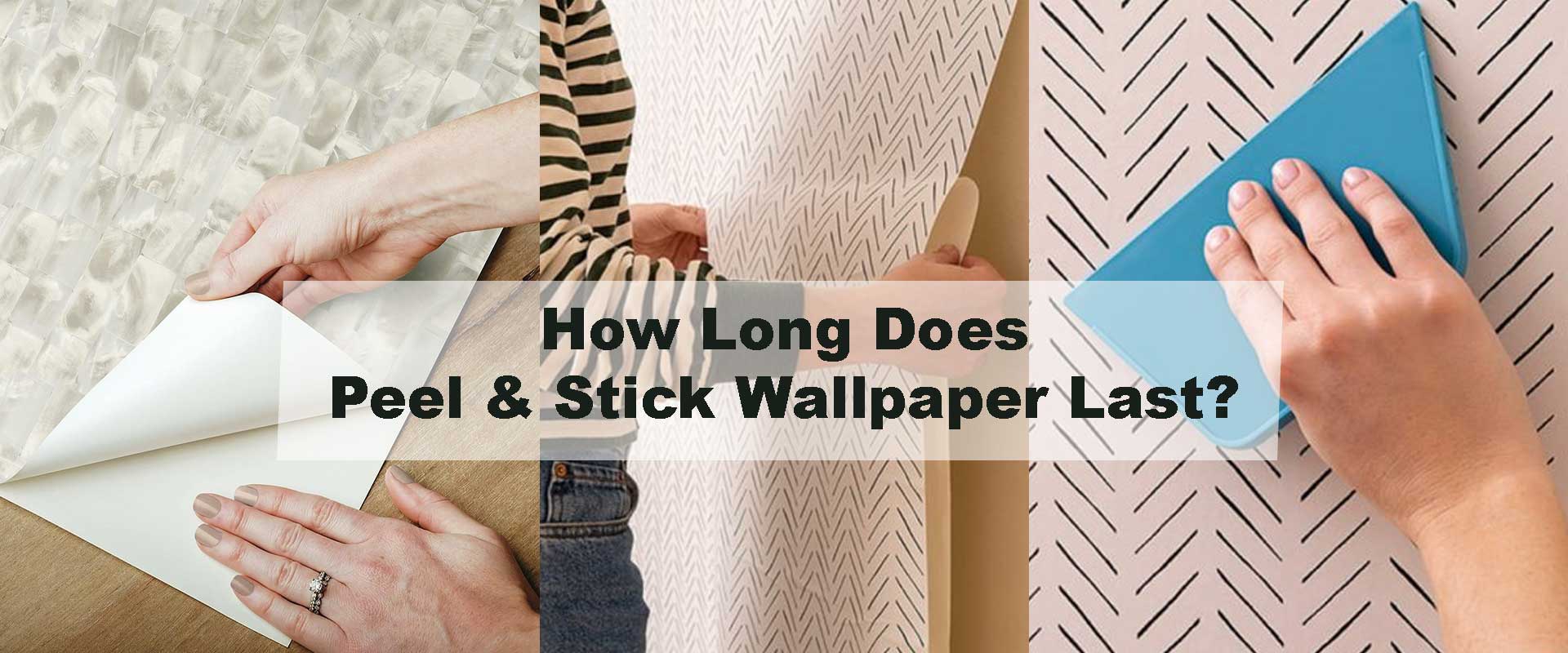
How Long Does Peel & Stick Wallpaper Last?
Peel and stick wallpaper has completely redefined home styling. Loved by renters and homeowners alike, it delivers instant transformation without the mess of glue or paste. But one question often comes up before installation — how long does peel and stick wallpaper last? Its lifespan depends on a mix of factors, from wall surface and application method to environmental conditions. When installed with care and maintained well, this modern wallpaper solution can stay stunning for years while giving you the freedom to change styles anytime.
What Is Peel & Stick Wallpaper?
Peel and stick wallpaper is a self-adhesive wall décor that sticks directly to clean, smooth walls. It doesn’t require any additional paste or tools, making it ideal for quick makeovers or rented homes. Each roll features a pressure-sensitive backing that holds firmly yet allows for repositioning when needed. Modern varieties often use durable vinyl or woven fabric that resists moisture, mild scratches, and fading — qualities that make them both practical and stylish.
Designers often combine peel and stick wallpaper with timeless motifs such as botanical prints, modern florals, and artistic abstracts from curated collections like floral wallpapers, proving that easy application doesn’t mean sacrificing sophistication.
Average Lifespan of Peel & Stick Wallpaper
Most high-quality peel and stick wallpapers last three to five years, though some can endure for up to seven years with excellent care. The biggest factors influencing lifespan include the wall surface condition, adhesive strength, and room environment.
Walls that are clean, smooth, and lightly primed ensure the adhesive bonds evenly, helping designs stay pristine longer. In spaces with low humidity—such as bedrooms and living rooms—soft floral or textured wallpapers, especially from floral wallpaper for bedrooms, can maintain their charm for many years without peeling or fading.
What Affects Longevity the Most
1. Surface Preparation
A well-prepared surface is the foundation for durability. Any dust, texture, or residue on the wall prevents proper adhesion, causing early edge lift or bubbling. Applying a primer or sanding glossy finishes gives the adhesive the best chance to grip securely.
2. Environment
Peel and stick wallpaper performs best in rooms with stable temperature and low moisture. In humid areas such as bathrooms, even top-tier adhesive may weaken unless ventilation is consistent. Opting for moisture-tolerant patterns like those in bathroom floral wallpaper collections extends lifespan.
3. Application Technique
Smooth application ensures a tight seal. Pressing seams firmly and eliminating air bubbles prevents premature peeling. Quality tools—squeegees, rulers, and precision knives—make a visible difference.
4. Adhesive & Material Quality
Premium vinyl wallpapers use stronger, longer-lasting adhesives that maintain grip without damaging the wall upon removal. Budget variants may lose tack quicker, especially on washable paints.
Peel & Stick vs Traditional Wallpaper Longevity
| Feature | Peel & Stick Wallpaper | Traditional Wallpaper |
|---|---|---|
| Average Lifespan | 3–5 years | 8–15 years |
| Ease of Application | Quick, no paste | Requires glue |
| Removability | Clean and simple | Time-consuming |
| Maintenance | Wipe with damp cloth | More delicate |
| Best For | Rentals & quick updates | Long-term décor |
Traditional wallpaper lasts longer overall, but peel and stick wallpaper offers unmatched flexibility. If you enjoy updating your décor often, it’s the better choice. For further insight into material durability, see Vinyl vs Fabric Wallpaper Durability Comparison, which breaks down how construction affects longevity.
Can Peel & Stick Wallpaper Be Permanent?
Surprisingly, yes. Although intended for temporary use, high-quality peel and stick wallpapers can look brand new for years. When installed correctly on primed drywall, they can perform much like traditional wallpaper. Many designers now treat it as a semi-permanent design element, layering rich florals or textural neutrals in key areas like living spaces and dining rooms.
A well-balanced palette—such as dark moody blooms paired with soft-toned accents from living room floral wallpaper collections—creates longevity through design harmony as much as through material quality.
When Should You Replace Peel & Stick Wallpaper?
Over time, you might notice small changes such as lifting corners or mild discoloration. These are signs it’s time to refresh your space. The best part is how effortless that process is: just peel it off gently and apply a new pattern. Whether shifting from minimal neutrals to modern florals or embracing vintage-inspired botanicals, the swap is quick and mess-free.
This flexibility encourages regular design refreshes, allowing your interiors to evolve with seasons and moods without the permanence of paste wallpaper.
Tips to Make Peel & Stick Wallpaper Last Longer
- Choose Premium Materials: Look for UV-resistant inks and thick vinyl construction that withstand cleaning and sunlight.
- Prime and Clean the Wall: Eliminate dust and sheen for better adhesion.
- Avoid Moisture: Keep wallpaper away from direct water exposure or heat sources.
- Press Seams Firmly: Properly sealed edges stay intact longer.
- Clean Gently: A soft cloth with mild soap preserves surface finish.
These small steps can extend the wallpaper’s life by several years, ensuring your design remains crisp and contemporary.
Is Peel & Stick Wallpaper Worth It Long-Term?
Absolutely. While it may not last as long as traditional wallpaper, its cost-efficiency, flexibility, and creative freedom make it incredibly worthwhile. For style enthusiasts who enjoy experimenting, peel and stick wallpaper offers endless possibilities without long-term commitment.
Designers often use pattern play—combining large and small florals—to balance energy and flow across a space, a concept beautifully detailed in Large vs Small Floral Prints – Visual Impact Explained.
Ideal Rooms for Peel & Stick Wallpaper
- Bedrooms: Calm botanicals and pastel tones enhance serenity.
- Living Rooms: Bold florals or textures anchor statement walls.
- Kitchens: Subtle designs above counters add color without overwhelming.
- Home Offices: Minimalist prints support focus and calm.
- Entryways: Expressive motifs set a welcoming tone.
Dry, temperature-controlled rooms will always yield the longest lifespan, preserving both adhesive strength and print vibrancy.
Sustainability Benefits
Today’s peel and stick wallpapers often use eco-friendly inks, PVC-free materials, and non-toxic adhesives. Their easy removal process means less waste during redecorations, making them an ideal choice for mindful decorators. For those prioritizing health and sustainability, see Non-Toxic Wallpapers for Healthy Homes for an in-depth guide on safe, breathable designs that don’t compromise aesthetics.
Common Myths About Peel & Stick Wallpaper
- Myth 1: It damages walls — actually, it protects paint underneath when properly applied.
- Myth 2: It only lasts a few months — quality brands last several years.
- Myth 3: It’s just for renters — homeowners use it for full renovations now.
- Myth 4: It can’t handle cleaning — mild wiping keeps it spotless for years.
FAQs About Peel & Stick Wallpaper Lifespan
1. How long does peel and stick wallpaper really last?
Typically between three to five years, but with proper care and wall prep, it can last up to seven years before needing replacement.
2. Does humidity affect how long it lasts?
Yes. High humidity shortens lifespan by weakening the adhesive. Installing it in dry, ventilated rooms ensures it lasts longer.
3. Can peel and stick wallpaper be reused?
Some premium versions can be carefully removed and reapplied once, though reusability depends on adhesive strength and surface condition.
4. How can I make my peel and stick wallpaper last longer?
Prime your walls, use quality brands, avoid direct sunlight, and clean gently with a soft cloth to maintain its beauty for years.
5. Is peel and stick wallpaper good for long-term decorating?
Definitely. Many homeowners use it for semi-permanent projects because it provides flexibility, visual richness, and easy maintenance.
Conclusion
Peel and stick wallpaper typically lasts three to five years, but high-quality versions can easily surpass that with care. Its greatest advantage lies in versatility — refreshing a wall takes minutes, not hours, and you can change designs as often as your mood shifts. From elegant florals to minimalist patterns, collections like floral wallpapers prove that beauty and practicality can coexist effortlessly in modern interiors.