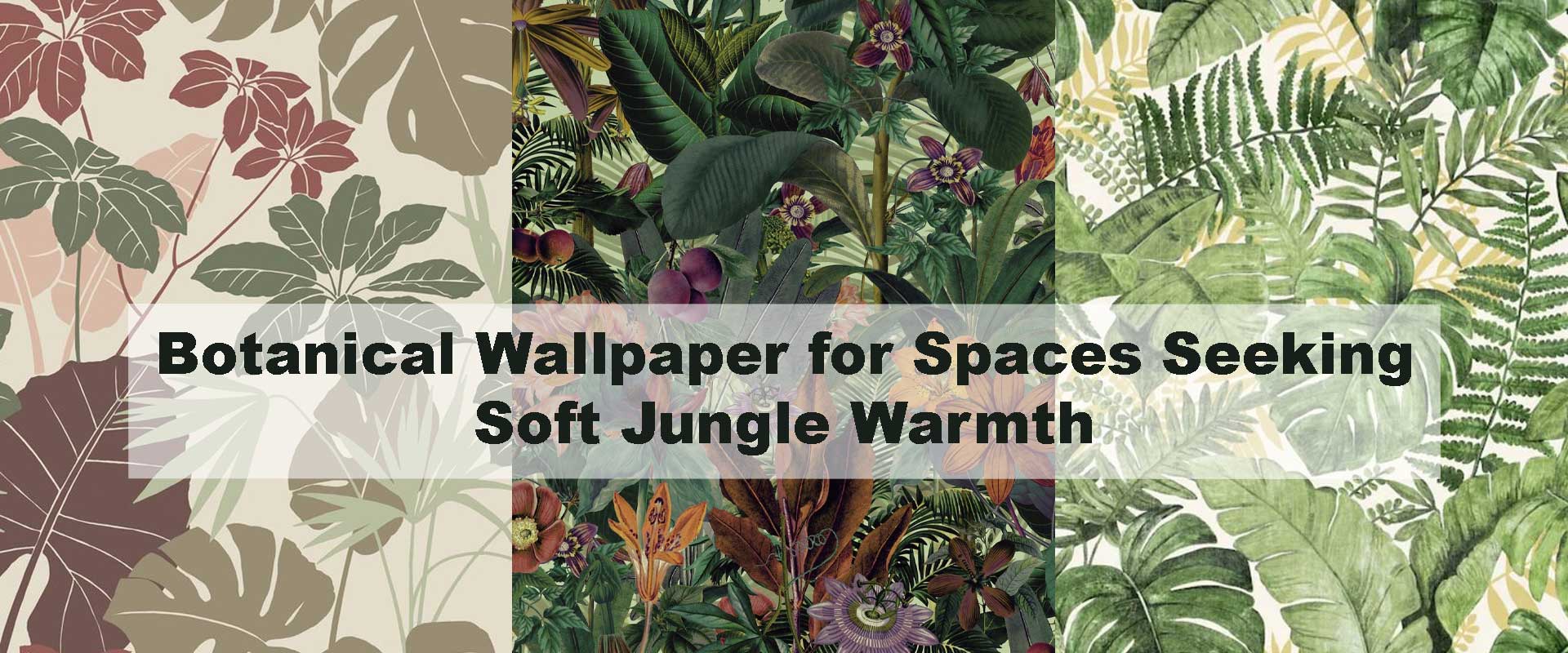
Botanical Wallpaper for Spaces Seeking Soft Jungle Warmth
When a room needs gentle character, softened edges, and natural warmth, botanical wallpaper becomes one of the most transformative design choices. Homeowners often search for ways to introduce the calming beauty of nature without committing to the vibrancy of bold tropical schemes, and botanical themes offer the perfect in-between. Their soft gradients, warm foliage silhouettes, and soothing compositions create inviting environments that feel grounded, balanced, and emotionally warm. In fact, many of the visual principles behind this softening effect closely echo insights shared in How Can Tropical Wallpaper Make Small Rooms Feel Larger?, where natural forms and layered depth help expand the feel of compact interiors.
Botanical wallpaper works especially well in homes seeking soft jungle warmth because it avoids the strong contrast found in full jungle prints, instead favoring gentle transitions and organic shapes that evoke comfort. Patterns inspired by dew-lit leaves, watercolor foliage, and warm green tones deliver a peaceful ambience reminiscent of early sunlight through a quiet canopy. These designs sit at the perfect intersection of serenity and natural richness—an aesthetic that pairs beautifully with wood tones, woven textures, clay accents, or minimal furniture. They are subtle enough for contemporary homes yet warm enough to elevate spaces that feel too plain or cold, capturing a refined tropical softness often celebrated in fresh botanical themes and similar guides.
Why Botanical Wallpaper Naturally Creates Soft Jungle Warmth
Botanical wallpaper has a distinct ability to soften the emotional temperature of a space. Unlike dense tropical designs filled with intense shadows and bold contrasts, botanical patterns use a gentler palette and smoother composition. Their visual softness emerges from three key elements: natural flow, warm gradients, and approachable pattern density.
First, the natural flow of foliage and curved leaf lines helps reduce visual tension. Rooms with sharp corners or rigid furniture benefit greatly from the fluid silhouettes of botanical wallpaper. These patterns introduce movement without causing visual noise, guiding the eye gracefully across the wall. This smooth visual rhythm creates a sense of comfort, making the room feel more welcoming.
Second, botanical themes often rely on warm color gradients—subtle transitions between soft greens, muted clays, warm neutrals, or pastel washes. These gradients mimic natural light and help warm up spaces that feel too stark. A gentle shift in tone can create the effect of sunlight filtering through leaves, adding dimensionality and calmness to the room.
Finally, botanical designs avoid the dense clustering often found in vivid jungle wallpapers. This moderate pattern density makes them ideal for homes that want the emotional warmth of nature without overwhelming the interior. Many designs quietly echo the refined tropical mood found in the broader family of Jungle Tropical Wallpapers, which is why botanical styles blend so effortlessly with contemporary tropical décor trends without appearing bold or dramatic.
How Botanical Wallpaper Adds Depth Without Overwhelming the Space
Depth determines whether a room feels expansive or enclosed, and botanical wallpaper excels at delivering dimensionality in a soft, breathable way. Instead of relying on hard shadows, stark contrasts, or bold outlines, botanical designs use natural visual cues—layered foliage, airy tonal shifts, and medium-scale patterning—to create comfort and warmth without any heaviness. The result is a quiet, immersive depth that enriches the room’s mood and makes the walls feel gently alive.
1. Warm Gradient Washes With Natural Light Effects
Many botanical wallpapers incorporate delicate watercolor gradients that behave like softly diffused sunlight. These transitions wash the wall in warm illumination, brightening the space and softening rigid corners. This subtle glow carries a similar atmospheric quality to designs explored in Deep Jungle Wallpaper Designs That Bring Natural Calm Indoors, where layered depth is used not to dramatize a room but to enrich its natural calm. When placed in rooms with moderate light, these gradients create a serene radiance that feels both uplifting and soothing.
2. Medium-Scale Foliage That Maintains Visual Balance
Scale determines how comfortably a pattern settles into the room. Oversized motifs dominate the space, while small patterns can appear busy or restless. Botanical wallpaper typically relies on medium-scale foliage—a size that guides the eye gently across the wall without disrupting visual flow. This balanced movement adds richness while keeping the space open and breathable, making it well-suited for areas where you want soft jungle warmth without sacrificing harmony, such as living rooms, bedrooms, and dining areas.
3. Layered Leaves That Create Soft Dimensionality
Layering is one of the most effective ways botanical wallpaper introduces depth. Many designs feature leaves with quiet shadowing behind them, creating layers that feel three-dimensional without becoming bold or visually heavy. This technique softens the wall visually, offering a delicate canopy-like effect. In rooms with limited natural light, these layers add depth and nuance rather than darkening the space, preserving the welcoming warmth essential to botanical interiors.
Choosing the Right Style of Botanical Wallpaper for Soft Jungle Warmth
Each botanical style interprets warmth differently, and choosing the right one depends on the emotion you want your space to express. Whether you prefer airy pastels, natural greens, or textured foliage, each variation offers its own ambiance rooted in nature.
Fresh Green Botanical Themes
Fresh green palettes introduce gentle energy without intensity. Their earthy softness feels clean, modern, and rejuvenating—a natural complement to contemporary interiors or neutrally furnished rooms. These tones harmonize beautifully with designs found in the fresh green designs collection, where soft greens echo sunlit leaves and help maintain a warm, tranquil mood.
Watercolor Botanicals for Artistic Warmth
Watercolor botanicals soften a room through blended hues and gently fading edges. Their artistic flow blurs the boundary between wall and artwork, creating a dreamy, immersive warmth. Patterns with clay undertones, misted greens, or warm neutrals echo the expressive softness seen in the watercolor murals selection. These designs work especially well in serene living rooms, bedrooms, or creative spaces where gentle atmosphere matters most.
Botanical Textures and Foliage Variations
Textural botanicals depend on fine detailing—subtle veins, thin shadow lines, or carefully layered foliage—to add warmth and understated depth. These wallpapers create a tactile illusion that feels luxurious yet calm. They complement décor themes associated with the texture and foliage category, making them ideal for homeowners who want warmth with quiet sophistication.
How Botanical Wallpaper Enhances Different Rooms
Applying botanical wallpaper room by room reveals how intelligently it interacts with different architectural needs. Its ability to soften, warm, or brighten makes it one of the most adaptable nature-inspired styles.
Living Rooms
In living rooms—especially those with clean lines, metal fixtures, or minimal layouts—botanical wallpaper introduces emotional softness. The natural curves of foliage help counterbalance angular furniture, while warm gradients add a grounding glow. Botanical themes transform sterile or overly structured living rooms into welcoming, lived-in environments without compromising elegance.
Bedrooms
Soft foliage naturally supports rest, which is why bedrooms respond so well to botanical wallpaper. Designs applied behind the headboard or across all walls encourage calmness, fluidity, and breathing space. This sense of gentle atmosphere aligns with ideas found in Soft Tropical Wallpaper Ideas for Relaxing Bedroom Makeovers, where pattern softness plays a central role in enhancing restfulness.
Dining Spaces
Dining rooms benefit from botanical wallpaper that offers intimacy without heaviness. Warm greens, clay-infused tones, and softly layered foliage create a cozy yet refined backdrop for gatherings. The effect feels inviting and serene, perfect for slow meals and meaningful moments.
Hallways
Hallways often lack identity, making them an excellent canvas for botanical designs. Light foliage patterns introduce movement that prevents the space from feeling narrow or flat. The soft color transitions help connect surrounding rooms, making the hallway feel integrated into the home’s overall design flow.
Entryways
An entryway shapes the emotional tone of the entire home. Botanical wallpapers offer immediate warmth and grounded elegance. They create a hospitable first impression—something warm and natural—without the boldness of full jungle themes.
Pairing Botanical Wallpaper With Soft Jungle-Inspired Decor
Styling is where botanical wallpaper truly transforms a space. The right décor pairings deepen the warm jungle mood and make the wallpaper feel seamlessly integrated into the room.
1. Natural Textures
Materials like rattan, linen, jute, seagrass, and warm wood tones elevate the authenticity of botanical themes. These textures mimic the earthiness of foliage, creating a harmonious, nature-rooted environment that feels soft and inviting.
2. Warm, Earthy Colors
Botanical wallpaper thrives alongside clay tones, muted ochres, warm neutrals, soft greens, and blush shades. These hues amplify the natural warmth in the wallpaper while maintaining visual coherence. They are ideal for accent cushions, ceramics, rugs, and soft furnishings.
3. Curved Furniture
Curved silhouettes echo the organic shapes inherent in botanical motifs. Round tables, circular mirrors, arched shelving, or curved sofas remove visual rigidity and complement the flowing nature of foliage-inspired patterns.
4. Soft Metallic Accents
Warm metals—champagne gold, brushed bronze, antique brass—bring out the inner glow of botanical imagery. They add highlights that feel sunlit rather than glossy, deepening the gentle warmth in the space.
5. Indoor Plants
Plants enhance botanical wallpaper by creating physical depth that mirrors the pattern’s visual layering. Tall palms, broad-leaf plants, and cascading vines interact beautifully with the wallpaper, reinforcing the soft jungle warmth in a natural, effortless way.
Botanical Wallpaper vs. Jungle Wallpaper: Key Differences
Even though botanical and jungle wallpapers share nature-inspired origins, their emotional effects differ significantly.
| Feature | Botanical Wallpaper | Jungle Wallpaper |
|---|---|---|
| Mood | Soft, warm, calming | Bold, immersive, energetic |
| Pattern Density | Light to medium | Medium to high |
| Depth Effect | Gentle layering | Strong shadows and contrast |
| Color Palette | Pastels, muted greens, warm neutrals | Deep greens, bright accents, shadows |
| Best Use | Bedrooms, living rooms, hallways | Feature walls, dramatic spaces |
Botanical designs create warmth through gentleness, while jungle patterns add energy and immersion. Homeowners seeking warmth without intensity often prefer botanicals, a distinction also explored in Why Choose Jungle Wallpaper Over Traditional Patterned Prints.
How Botanical Wallpaper Can Make Compact Spaces Feel Larger
Soft jungle warmth does more than influence the mood of a room—it can subtly change its perceived proportions. Botanical wallpaper contains natural visual cues that help compact spaces feel more breathable, open, and gently expansive. Instead of relying on heavy contrasts or dramatic shadows, these designs use delicate optical effects that guide the eye and soften boundaries. Medium-scale leaves encourage a smooth, continuous visual journey across the wall. Their rhythm prevents the eye from stopping abruptly, which reduces that boxed-in feeling common in small rooms. Light botanical gradients add another layer of openness by introducing soft illumination across the surface; the glow mimics ambient daylight, brightening corners without harsh highlights. Organic shapes play a crucial role as well—curved foliage silhouettes reduce the severity of straight architectural lines, helping compact rooms feel less rigid. Even the direction of foliage flow matters, because gentle vertical or angled leaf arrangements create a subtle push that makes walls seem farther away. These strategies reflect many of the spatial principles discussed in How Can Tropical Wallpaper Make Small Rooms Feel Larger?, showing how nature-inspired patterns can psychologically expand interiors without altering the actual layout.
Choosing Between Light and Deep Botanical Themes
Botanical wallpaper comes in a broad spectrum of tones, each influencing warmth and spatial perception differently. Understanding how color depth interacts with room size and lighting ensures your chosen design enhances softness rather than overpowering the space.
Light Botanical Themes
Soft, airy botanicals are ideal when the goal is to brighten and subtly enlarge a room. Their palettes—fresh greens, misty sages, pale clays, warm neutrals—reflect available light beautifully. These designs thrive in areas with limited daylight, where they introduce gentle radiance without feeling stark. Scandinavian-inspired interiors, small bedrooms, neutral living rooms, and calm relaxation zones benefit from these lighter tones, which maintain warmth while giving the space a smooth, open feel. Their translucency allows other materials, like linens or light woods, to glow softly against them.
Deep Botanical Themes
Deeper botanical tones introduce richness without overwhelming the warmth of a space. Their cocooning quality makes them perfect for larger lounges, intimate reading corners, or homes that embrace layered tropical aesthetics. When paired with warm lighting, deep botanicals create a sophisticated, enveloping ambiance that feels intentional and atmospheric rather than heavy. Their depth adds a luxurious calmness, ideal for homeowners who want comfort, contrast, and emotional warmth in the same design.
Styling Inspiration for Enhancing Soft Jungle Warmth
Styling is where botanical wallpaper truly comes alive. The right pairings deepen the warm jungle atmosphere while maintaining softness and cohesion.
Layer Indoor Plants for Natural Dimension
Plants and botanical wallpaper share a harmonious relationship. Mixing heights—tall palms, medium philodendrons, trailing pothos—creates a layered green landscape that mirrors the wallpaper’s natural flow. The interplay of textures adds depth to compact rooms without visual weight.
Use Wooden Furniture for Earthy Warmth
Wood introduces grounding warmth that complements botanical foliage. Walnut adds richness, teak brings sun-touched golden tones, and ash provides gentle brightness. The natural grain patterns echo the organic shapes in botanical wallpaper, creating a seamless visual conversation between surfaces.
Add Ambient Lighting to Highlight Soft Depth
Warm, diffused lighting brings out the subtleties in botanical patterns. Wall sconces with frosted shades, warm LED strips, and lantern-style lighting enhance shadows delicately, deepening the sense of warmth. Lighting placed near botanical walls can even create a soft halo effect that further expands the room.
Incorporate Clay Ceramics for Earth-Rooted Color
Clay vessels, terracotta pots, and handcrafted ceramics add tactile richness that blends effortlessly with botanical tones. Their earthy warmth stabilizes the lightness of foliage and contributes to the grounded, soft jungle feeling the wallpaper creates.
FAQs About Botanical Wallpaper for Soft Jungle Warmth
1. What makes botanical wallpaper ideal for creating soft jungle warmth?
Botanical wallpaper uses gentle foliage, warm gradients, and naturally flowing shapes that soften a room’s atmosphere. These elements introduce warmth without heaviness, making interiors feel inviting and grounded while still carrying subtle tropical energy.
2. Can botanical wallpaper work in small rooms without making them look crowded?
Yes. Medium-scale foliage, soft shadows, and blended watercolor transitions help open compact rooms visually. The organic movement reduces harsh edges, creating the kind of spacious effect also noted in designs discussed within How Can Tropical Wallpaper Make Small Rooms Feel Larger?.
3. Which color palettes create the warmest botanical look?
Warm greens, clay tones, blush neutrals, muted sage, and soft ochres all enhance jungle warmth. These hues echo natural sunlight and earthy landscapes, helping walls feel softer, calmer, and more harmoniously connected to surrounding décor.
4. Is botanical wallpaper suitable for rooms with minimal natural light?
Absolutely. Light-toned botanicals with watercolor gradients or luminous foliage help brighten dim rooms. Their subtle shading introduces ambient warmth, making darker spaces feel more open and naturally uplifted.
5. Should I use botanical wallpaper on a feature wall or across all walls?
Both approaches work. A feature wall adds soft warmth without committing to full immersion, while covering all walls creates a gentle, enveloping jungle effect. The choice depends on the mood you want—subtle intrigue or fully immersive calm.
6. What décor pairs best with botanical wallpaper for a warm jungle look?
Natural textures such as rattan, linen, jute, and warm woods complement botanical themes beautifully. Soft metallic finishes, clay ceramics, indoor plants, and curved furniture shapes elevate the warmth further, creating a cohesive and grounded interior.
7. Which botanical styles feel closest to a subtle tropical aesthetic?
Wallpapers featuring layered leaves, light jungle shading, or blended watercolor foliage bridge botanical softness with gentle tropical energy. These styles often align with the warm, serene mood found in broader nature-focused themes like Jungle Tropical Wallpapers.
8. Do botanical wallpapers require bold furniture to balance the look?
Not necessarily. Botanical themes pair well with both minimal and statement furniture. Subtle foliage works beautifully with understated décor, while deeper botanical patterns can handle bolder furniture shapes without feeling heavy.
Conclusion
Botanical wallpaper is the ideal design choice for homes seeking soft jungle warmth. Its smooth gradients, calming foliage, and gentle movement make every room feel grounded, welcoming, and naturally balanced. Whether you’re choosing light botanicals for airy calmness or deeper tones for warm cocooning comfort, these designs transform spaces with a natural warmth that feels both sophisticated and soothing. With thoughtful styling and the right pairing of textures and colors, botanical wallpaper can turn any interior into a serene, softly glowing haven inspired by nature’s gentlest side.