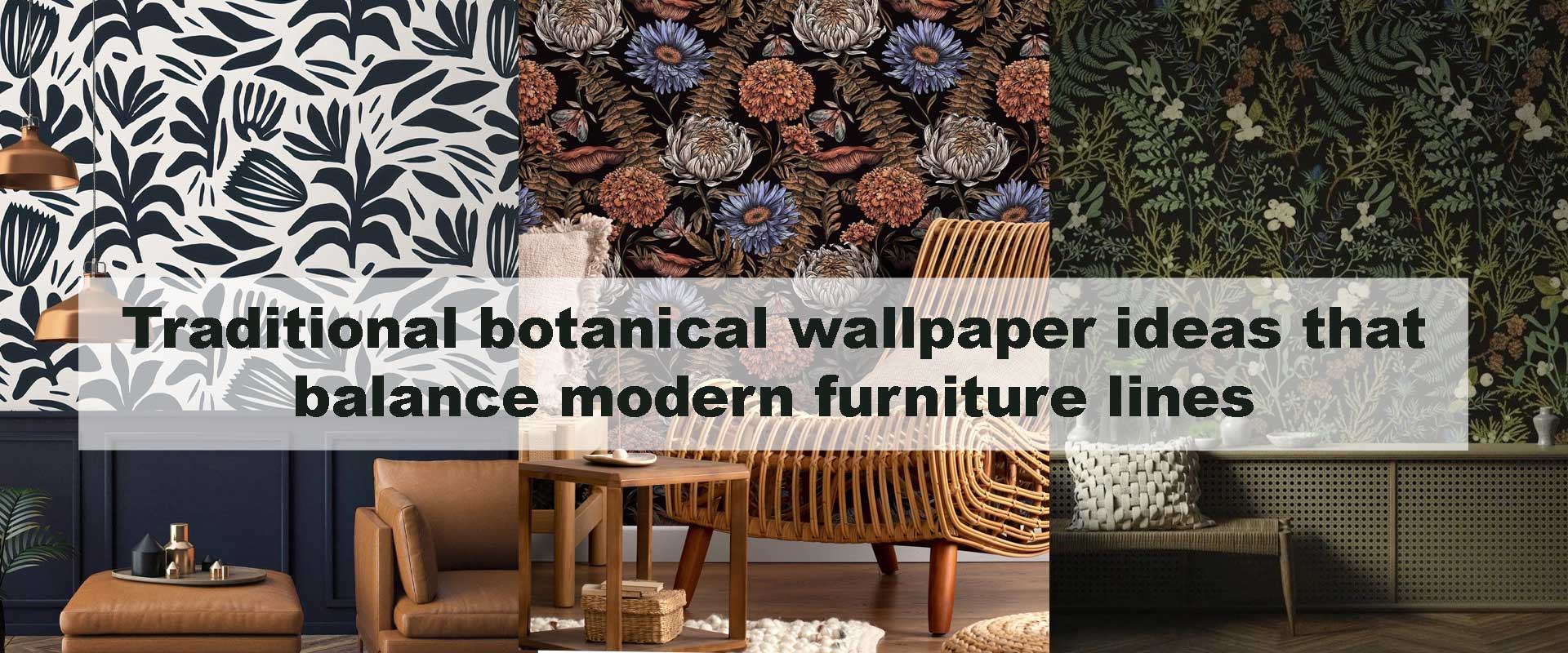
Traditional botanical wallpaper ideas that balance modern furniture lines
Traditional botanical wallpaper ideas that balance modern furniture lines offer a refined way to soften contemporary interiors without diluting their clarity. Clean silhouettes, slim profiles, and restrained furnishings often benefit from an organic counterpoint—something that introduces warmth, movement, and visual storytelling. Botanical motifs, rooted in heritage design, bring exactly that depth while still respecting modern spatial discipline.
When carefully chosen, botanical wallpapers don’t compete with modern furniture; they complete it. The interplay between structured forms and flowing natural patterns creates interiors that feel layered rather than styled, expressive without becoming ornate. This balance is especially appealing in homes that value timelessness over trend-driven design.
Understanding Traditional Botanical Wallpaper in a Modern Context
Traditional botanical wallpaper originates from historical plant illustrations, garden studies, and hand-rendered florals that once adorned European interiors. These designs were never meant to overwhelm a space; instead, they acted as visual companions to architecture and furnishings.
Today, these same motifs are reinterpreted with softer contrasts, controlled color palettes, and refined repeats. This evolution allows botanical patterns to sit comfortably alongside modern furniture, much like the way layered floral compositions bring warmth to contemporary living spaces in Vintage floral wallpaper ideas that transform classic living rooms, where heritage design elevates rather than dominates clean interiors.
Why Botanical Wallpaper Pairs So Well With Modern Furniture
Modern furniture is built around proportion, restraint, and the deliberate use of negative space. While this clarity creates a sense of order, it can sometimes feel visually stark on its own. Botanical wallpaper introduces an organic rhythm that softens these precise lines, adding movement and warmth without disrupting the room’s structural balance.
The strength of this pairing lies in intentional contrast. Curved leaves and flowing stems gently counteract straight edges and sharp angles, while minimalist furniture prevents botanical patterns from feeling dense or overpowering. This balance mirrors the way structured repetition brings harmony to interiors, much like the refined visual order achieved through linear design in How traditional striped wallpaper adds refined symmetry to bedroom walls.
Choosing Botanical Patterns That Feel Contemporary
Selecting the right botanical wallpaper is less about ornament and more about visual discipline. When pattern, scale, and spacing are carefully considered, botanical designs feel purposeful rather than decorative.
Pattern Scale and Visual Weight
Pattern scale determines how a botanical wallpaper interacts with modern furniture. Smaller repeats introduce a gentle layer of texture that blends seamlessly into contemporary spaces, supporting clean furniture silhouettes without drawing excessive attention. Larger botanical illustrations, on the other hand, function more like wall art, creating a strong focal point when paired with understated furnishings.
Open-plan rooms and spacious layouts often benefit from larger-scale botanicals placed behind key furniture pieces. Used this way, the wallpaper anchors the space visually while allowing furniture to remain uncluttered and clearly defined.
Controlled Detailing
Botanical designs with generous spacing between motifs feel especially suited to modern interiors. This visual breathing room allows each element—wallpaper and furniture alike—to remain legible. Overly dense patterns can blur outlines and reduce contrast, while disciplined layouts preserve clarity and compositional balance.
Thoughtfully curated options from Botanical Vintage Wallpaper and Floral Vintage Wallpaper naturally align with modern furniture due to their measured repeats, refined detailing, and controlled visual rhythm.
Color Palettes That Unite Old and New
Color acts as the quiet mediator between botanical heritage and contemporary furniture design. While pattern introduces character, it is the palette that determines whether a space feels harmonious or visually fragmented. Botanical wallpapers grounded in muted greens, soft olives, and gentle sage tones create an effortless connection to modern interiors built around beige, warm greys, and natural wood finishes.
Deeper botanical hues such as forest green, inky navy, or charcoal bring a sense of depth and intimacy when paired with uncluttered furniture forms. These darker tones allow botanical motifs to feel immersive without becoming heavy, especially when modern furnishings remain light in color and restrained in detail. This layered use of color mirrors the calm refinement explored in Blue vintage wallpaper styles that introduce calm sophistication to bedrooms, where tonal depth supports serenity rather than visual noise.
Living Rooms: Botanical Depth Behind Clean Lines
In modern living rooms, botanical wallpaper performs best when it anchors the space rather than envelops it. Acting as a visual backdrop, it brings softness and movement to areas dominated by clean geometry and linear furniture forms. This approach preserves the openness modern living rooms depend on while introducing a sense of warmth and lived-in elegance.
Positioning a botanical feature wall behind a low-profile sofa allows foliage patterns to frame the seating zone naturally. Glass coffee tables, slim-leg chairs, and neutral upholstery prevent visual congestion, ensuring the wallpaper enhances rather than competes with the room’s layout. This careful balance supports spatial flow in a way similar to how patterned walls create depth and direction in compact interiors, as reflected in Classic hallway wallpaper concepts that enhance narrow spaces with depth.
Dining Spaces That Feel Elegant Yet Current
Dining spaces benefit greatly from botanical wallpaper’s ability to shape atmosphere without visual excess. Subtle botanical patterns introduce warmth and intimacy, creating a setting that feels welcoming while still refined. When walls carry this quiet sense of movement, the room gains character without relying on heavy décor or layered styling.
This effect is especially successful when paired with modern dining tables defined by clean edges and sculptural proportions. Simple lighting forms and uncluttered surfaces allow the wallpaper to remain expressive rather than distracting. Elegant options from Ornamental Vintage Wallpaper bring a sense of heritage refinement that aligns effortlessly with contemporary furniture profiles, resulting in dining rooms that feel composed, current, and timeless.
Bedrooms That Balance Calm and Character
Bedrooms respond beautifully to the softness and rhythm of botanical wallpaper when it’s applied with intention. Positioned behind a modern upholstered headboard, botanical designs add depth and visual comfort without disturbing the room’s sense of calm. The pattern becomes a gentle backdrop rather than a focal interruption.
Neutral bedding, restrained textures, and streamlined nightstands allow the wallpaper to breathe, supporting a layered yet restful environment. This quiet sophistication reflects the lasting relevance of classic motifs explored in Timeless damask motifs bringing heritage elegance to modern interiors, where heritage design enhances modern living through balance rather than excess.
Hallways and Transitional Spaces
Hallways and transitional spaces offer a unique opportunity to introduce botanical wallpaper without competing against furniture-heavy layouts. Because these areas are designed for movement rather than pause, botanical patterns add visual rhythm that guides the eye naturally through the space. Even slim corridors benefit from this layered interest, transforming what is often overlooked into a considered design moment.
Vertical botanical compositions are especially effective here, subtly reinforcing the sense of height and forward motion. When paired with minimal consoles or streamlined benches, the wallpaper becomes the defining element rather than a backdrop. Tactile finishes from Textured Vintage Wallpaper introduce depth and softness, ensuring the space feels inviting without adding visual weight or clutter.
Styling Accessories for Cohesion
Accessories play a quiet but essential role in unifying traditional botanical wallpaper with modern furniture lines. Rather than acting as focal points, they should echo the wallpaper’s natural language while respecting contemporary restraint. Materials such as wood, linen, and stone reinforce organic themes and bring warmth that feels grounded rather than decorative.
Lighting choices further shape this balance. Clean-lined fixtures with soft diffusion allow botanical patterns to remain expressive without overwhelming the room. When accessories are edited thoughtfully and repetition is intentional, the space feels composed and effortless. This restraint ensures the wallpaper and furniture remain in dialogue, creating an interior that feels cohesive, calm, and deliberately styled.
Botanical Wallpaper and Modern Furniture Balance
| Design Aspect | Botanical Wallpaper | Modern Furniture | Resulting Effect |
|---|---|---|---|
| Visual Language | Organic, flowing motifs | Clean, structured forms | Balanced contrast |
| Pattern Influence | Adds depth and warmth | Maintains clarity | Layered interiors |
| Color Role | Earthy, heritage tones | Neutral, refined finishes | Cohesive palette |
| Spatial Impact | Creates movement | Preserves openness | Calm visual rhythm |
| Longevity | Timeless aesthetic | Trend-resistant design | Enduring appeal |
Avoiding Common Design Mistakes
Botanical wallpaper brings richness, but restraint is essential when pairing it with modern furniture. Overusing detailed patterns across multiple walls can blur clean furniture lines and reduce the sense of spatial clarity that contemporary interiors rely on. Limiting botanical designs to a feature wall or a clearly defined zone allows the pattern to enhance the room without dominating it.
Visual balance is also influenced by what surrounds the wallpaper. When a space begins to feel heavy, the solution is often simplification rather than removal. Reducing accessory clutter, refining color repetition, or adjusting lighting temperature can restore harmony while preserving the character and depth that botanical wallpaper contributes.
Bringing Heritage and Modern Living Together
Traditional botanical wallpaper works so effectively in modern interiors because it introduces warmth and humanity into precise, structured spaces. Organic motifs soften sharp geometry, creating environments that feel lived-in rather than overly styled. This dialogue between nature-inspired artistry and modern design principles results in interiors that feel intentional, calm, and emotionally engaging.
For homeowners seeking a balance between timeless expression and contemporary living, thoughtfully chosen designs from Vintage Wallpaper paired with clean-lined furniture create spaces that evolve gracefully. The result is an interior that respects heritage while remaining adaptable to modern lifestyles and future design shifts.
Conclusion
Traditional botanical wallpaper ideas that balance modern furniture lines demonstrate how contrast can become cohesion. Botanical patterns introduce warmth, narrative, and movement, while modern furniture anchors spaces with clarity and restraint. When scale, color, and placement are carefully considered, interiors feel intentional rather than styled.
This pairing allows homes to feel expressive without excess and contemporary without coldness. Botanical wallpaper becomes not just decoration, but a grounding element that elevates modern living through timeless design language.
FAQs: Traditional Botanical Wallpaper With Modern Furniture
Can botanical wallpaper work in minimalist interiors?
Yes. When used selectively and paired with streamlined furniture, botanical wallpaper adds softness without disrupting minimal layouts.
What furniture styles pair best with botanical wallpaper?
Mid-century modern, low-profile seating, and furniture with slim frames complement botanical patterns by preserving visual breathing space.
Is it better to use botanical wallpaper on one wall or multiple walls?
In modern interiors, one or two walls typically provide the best balance, keeping patterns impactful without overwhelming the space.
Do botanical wallpapers make rooms feel smaller?
Light backgrounds, controlled repeats, and minimal furniture help maintain openness and spatial clarity.
Are botanical wallpapers suitable for open-plan homes?
Yes. They help visually define zones such as dining or seating areas without introducing physical barriers.
How can botanical wallpaper avoid feeling too traditional?
Balancing it with contemporary lighting, neutral furnishings, and restrained accessories keeps the overall look refined and current.