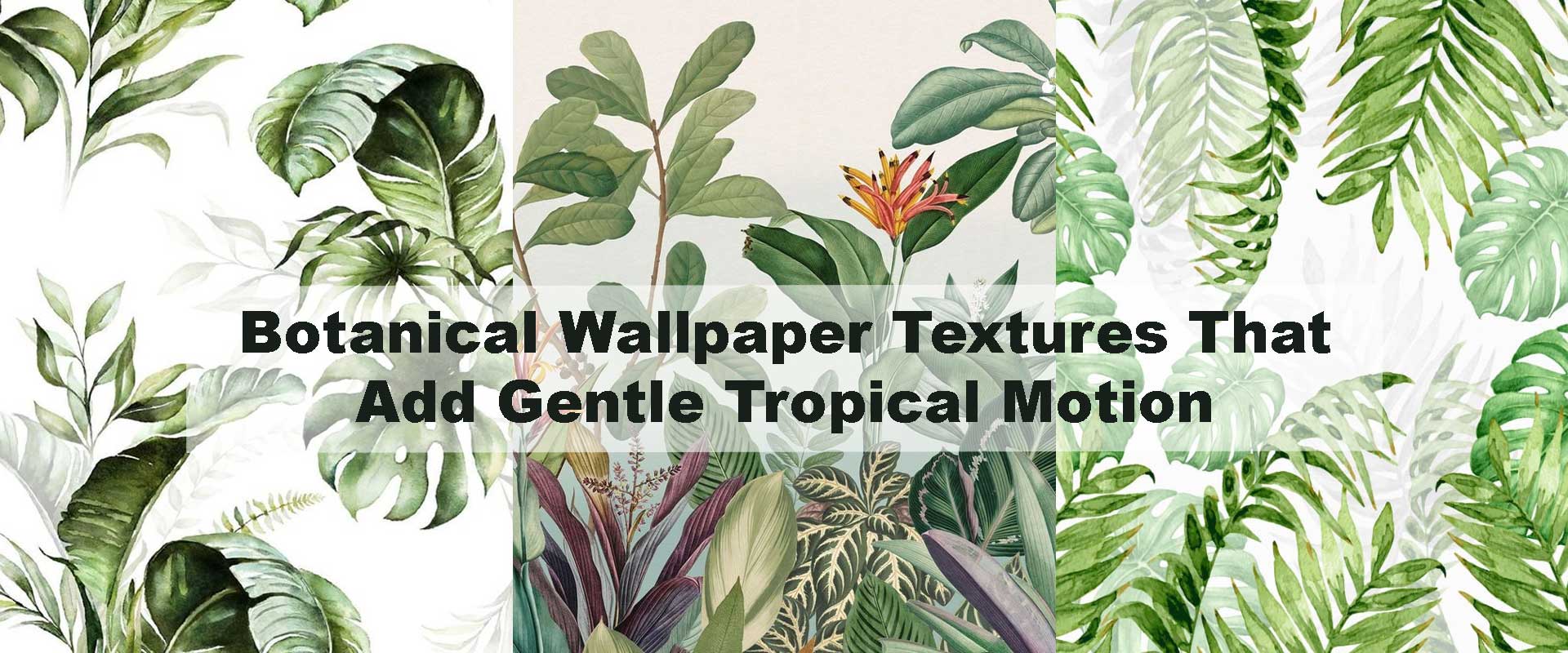
Botanical Wallpaper Textures That Add Gentle Tropical Motion
Softly textured botanical wallpaper has become one of the most reliable ways to create gentle tropical motion inside modern homes. When foliage is illustrated with fine strokes, watercolor gradients, or layered shading, the wall begins to feel alive—but without overwhelming the room. In the first 100 words, botanical wallpaper textures naturally support biophilic design while keeping the atmosphere calm and cohesive. Many homeowners choose them to replace flat surfaces with breathable movement that echoes outdoor scenery and subtle shifting light. These textures work beautifully in living rooms, airy bedrooms, hallways, or even compact spaces that need more visual depth. Their appeal grows even stronger when paired with natural materials, warm neutral palettes, or fresh green accents from collections such as lush forest styles. The result is a refreshing balance of clarity, calmness, and quiet tropical flow.
Why Botanical Texture Creates Natural Tropical Motion
How Subtle Linework Adds Movement
Botanical linework offers an elegant balance between detail and openness. Thin, flowing strokes create a rhythm across the wall, giving the impression of movement even when the pattern remains minimal. This style works particularly well when paired with touches of watercolor or soft gradients, lending a sense of breathing space that enhances daylight. These designs echo the visual clarity mentioned in How Can Tropical Wallpaper Make Small Rooms Feel Larger?, where gentle foliage helps interiors feel taller and more welcoming.
The Emotional Effect of Layered Foliage
Layered botanical textures add depth by mimicking the arrangement of natural leaves. Instead of flat visuals, the overlapping tones form a dynamic yet calming appearance. Rooms gain dimension without feeling heavy. When combined with airy décor, woven furniture, or pale wood tones, this layered look introduces gentle tropical motion that transforms static walls into stories of light and shadow. You’ll often see this effect highlighted in our botanical themes, which offer variations from crisp linework to expressive watercolor washes.
Why Soft Tropics Fit Modern Homes
Modern interiors thrive on balance—clean lines enriched with organic textures. Botanical wallpaper bridges this perfectly. Its tropical cues remain graceful rather than bold, creating fresh ambiance even in minimalistic rooms. The motion created by gradients, leaf direction, and natural shaping ties the space together, especially when your design includes cooler tones, warm taupe bases, or hints of rainforest shading. That’s why these textures appear so frequently in Jungle Tropical Wallpapers, providing a gentle tropical feel that adapts beautifully to multiple décor styles.
Types of Botanical Wallpaper Textures and Their Effects
1. Watercolor Botanical Textures
Watercolor botanicals offer fluid transitions and soft motion through diluted pigments and gentle leaf silhouettes. Their diffused edges create an inviting sense of openness, helping the wall feel visually lighter. In bright rooms, the watercolor motion enhances the natural glow, making it easier to pair with light fabrics and Scandinavian-inspired elements. This style sits closely with our curated watercolor murals where movement comes from shifting opacity and soft brushwork.
Best Rooms for Watercolor Botanical Textures
- Bedroom feature walls
- Sunlit living room corners
- Soft tropical dining rooms
- Relaxed reading zones
Watercolor botanicals also work well with curved furniture and matte finishes, enhancing calmness through visual flow. Their gentle motion feels similar to the serene movement described in Fresh Botanical Wallpaper Themes Inspired by Tropical Leaves—light, airy, and full of natural ease.
2. Textured Leaf Outlines
Outlined foliage creates motion through direction and spacing. When leaves are angled, layered, or arranged in repeating arcs, they mimic natural breeze and botanical sway. These wallpapers often use monochromatic or muted tones, making them versatile in both large and compact rooms. The repeated outline effect forms visual pathways that guide the eye gently across the space.
Why Outlined Botanicals Feel So Airy
Fine lines create an intentional softness. Instead of filling the wall with dense detail, the outlines give breathing room between shapes. This openness allows other elements—like warm lighting or natural textures—to shine. Designers often use them in transitional spaces like hallways, where they add life without overwhelming the architecture.
3. Tropical Texture and Foliage Prints
Some botanical wallpapers combine tropical foliage with tactile textures such as grain-like strokes, cross-hatching, or tonal shading. These elements bring a more grounded aesthetic, making the wallpaper feel richer without becoming bold. Our texture and foliage collection captures this beautifully, mixing gentle movement with subtle visual weight.
Ideal Uses for Textural Botanicals
- Feature walls that need dimension
- Rooms with minimal décor
- Spaces with natural stone or darker woods
- Rooms requiring grounding contrast
These wallpapers complement the layered design principles seen in many rainforest and deep jungle patterns, but in a gentler, more accessible way that harmonizes effortlessly with contemporary homes.
How Botanical Wallpaper Creates Mood Through Color and Motion
Soft Greens for Calm Movement
Soft green botanical textures are favorites for their ability to create motion without visual clutter. Greens evoke growth and natural rhythm, helping rooms feel refreshed. They pair beautifully with tropical daylight, woven fabrics, or neutral surfaces. These shades relate closely to our fresh green designs, which soften the wall while still adding dimensional flow.
Warm Taupes and Earth Tones for Organic Flow
Earthy tones add warmth and gentle depth, creating a soothing tropical motion ideal for living rooms and cozy bedrooms. Their grounded palette ensures the wallpaper blends seamlessly with wooden furniture, terracotta accents, and soft neutral textiles. This grounded warmth is similar to the subtle moods highlighted in Deep Jungle Wallpaper Designs That Bring Natural Calm Indoors.
Blue-Green Watercolor Blends for Airiness
Tropical blue-greens create a refreshing sense of airflow and underwater calm. When combined with fluid watercolor motion, they work beautifully in large open-concept spaces. Their airy presence enhances the architecture without demanding visual attention.
Botanical Texture Styles
| Style Type | Motion Level | Best For | Atmosphere | Works Well With |
|---|---|---|---|---|
| Watercolor Botanicals | High | Bedrooms, bright corners | Airy, fluid, calming | Linen fabrics, pale woods |
| Leaf Outlines | Medium | Hallways, living rooms | Clean, minimal, open | Modern décor, metal frames |
| Textured Foliage | High | Feature walls | Rich, layered, tropical | Dark woods, woven textures |
| Gradient Botanicals | Soft | Studios, bedrooms | Light-filled, transitional | Scandi neutrals |
| Dense Canopy Botanicals | Medium–High | Large rooms | Immersive, lush | Earth tones, leafy plants |
Design Tips for Using Botanical Textures With Gentle Tropical Motion
1. Use Motion to Guide the Eye With Intention
Botanical wallpapers that feature angled leaves, arcing stems, or watercolor strokes can subtly direct sightlines across the room. When the pattern flows upward, it visually lifts low ceilings; when it sweeps horizontally, it elongates compact spaces. This guided motion becomes even more effective near windows or warm ambient lighting, where natural highlights reinforce the movement and make the wall feel alive rather than static.
2. Pair Organic Textures With Earthy Natural Materials
Botanical designs gain an elevated sense of depth when placed near materials that echo their softness. Linen cushions, rattan furniture, woven bamboo panels, pale oak shelving, and smooth stone accents all reinforce the quiet organic rhythm found in textured foliage wallpapers. These combinations make the motion feel more grounded, turning the room into a calm, nature-focused setting that feels cohesive from wall to décor.
3. Blend Gradients With Layered, Soft Lighting
When a botanical wallpaper includes gradients or light tonal shifts, soft lighting helps reveal the full depth of the design. Wall sconces, shaded lamps, and warm LED strips gently highlight layered leaves and painterly textures. This approach mirrors principles noted in What Tropical Wallpaper Style Works Best for Bright Living Rooms?, where subtle illumination showcases motion and adds sculptural calm to the entire space.
4. Create Impact With a Single Feature Wall in Compact Rooms
Smaller rooms benefit greatly from one well-chosen botanical feature wall. A wallpaper with airy outlines, calm green hues, or watercolor motion adds dimensional flow without overwhelming the space. This technique gives the room a visual anchor while allowing the remaining walls to stay quiet, creating an inviting balance of movement and openness—especially helpful in studios, work corners, and low-light bedrooms.
5. Amplify Tropical Motion Through Thoughtful Décor Accents
Botanical textures feel even more dynamic when paired with décor that echoes tropical warmth. Potted palms, woven baskets, terracotta ceramics, layered cushions, and gentle textile patterns extend the wallpaper’s natural energy into the room. These accents avoid visual heaviness while enriching the tropical rhythm already present in the design, creating a unified atmosphere that feels both expressive and soothing.
FAQ
Do botanical textures make rooms feel larger?
Yes. Soft gradients, flowing foliage, and breathable spacing visually open the room, creating a sense of width and gentle motion.
Are botanical wallpapers suitable for minimal interiors?
Absolutely. Minimal interiors benefit from light botanical strokes that add organic depth without compromising simplicity.
Which rooms benefit most from botanical textures?
Bedrooms, living rooms, hallways, and creative corners gain calm movement and visual balance from botanical motion.
Do tropical botanical textures feel too busy?
Not when using soft outlines, watercolor effects, or diffused foliage. These designs maintain clarity and openness.
Can botanical textures complement bold décor?
Yes. Their organic motion softens bold elements, creating contrast without visual conflict.
Conclusion
Botanical wallpaper textures bring gentle tropical motion to modern interiors by blending fine linework, watercolor gradients, natural foliage, and layered shading. These elements create immersive yet calm movement across the wall, offering a refreshing balance between lightness and depth. When combined with thoughtful lighting, natural materials, and tonal color palettes, botanical textures soften the architecture and elevate the room with subtle tropical charm. Whether you prefer watercolor fluidity, clean leaf outlines, or textured foliage blends, there’s a botanical style that harmonizes beautifully with your personal décor choices. Their movement feels especially supportive in welcoming living rooms, peaceful bedrooms, and airy open-plan spaces. Soft tropical textures continue to be a timeless way to enrich your interiors and introduce natural serenity into everyday life.