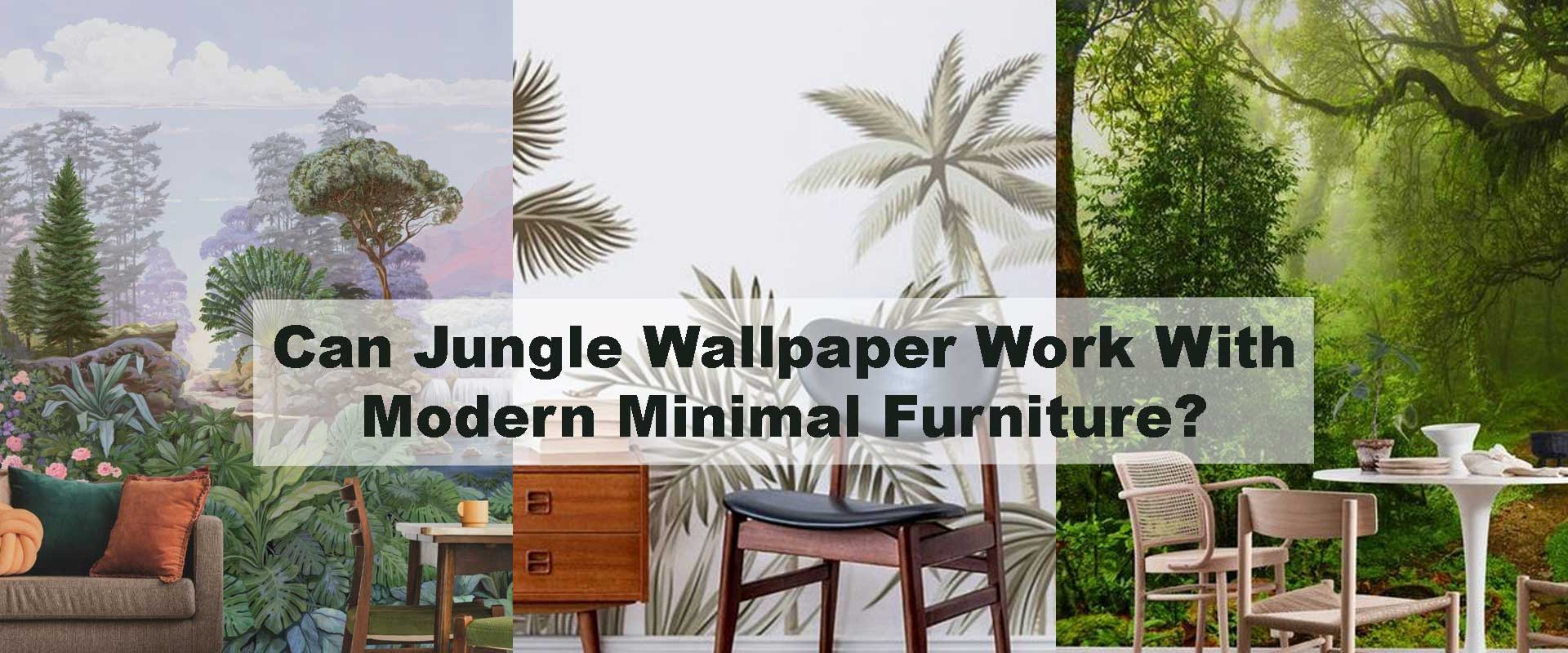
Can Jungle Wallpaper Work With Modern Minimal Furniture?
Jungle wallpaper can work beautifully with modern minimal furniture when the design balances natural depth with clean visual simplicity. Many homeowners assume that bold tropical greenery might overwhelm restrained décor, but the right pattern creates harmony, contrast, and personality. When used strategically, jungle motifs introduce organic movement that enhances the quiet poise of minimal interiors, especially when blended with curated tones from the forest collection or soft gradients typical of lighter tropical palettes.
Modern minimal homes rely on structure, negative space, and clarity. Jungle wallpaper adds nature-inspired fluidity that softens those lines while still respecting restraint. This relationship becomes even more meaningful when using silhouettes, tonal jungles, or watercolor-style foliage that connect effortlessly with essential furniture pieces. Designs with calm, upward growth offer a grounded warmth similar to ideas found in How Can Tropical Wallpaper Make Small Rooms Feel Larger?, where soft shadows help spaces feel more open.
Why Jungle Wallpaper Enhances Minimal Spaces
Minimal interiors aim to simplify, not sterilize. Yet many modern rooms risk feeling too stark without intentional texture, color, or depth. Jungle wallpaper, when chosen thoughtfully, bridges that gap by lending quiet natural movement.
1. Balancing Simplicity With Organic Texture
Modern minimal furniture often features sharp edges, matte finishes, and geometrically aligned forms. Jungle wallpaper introduces gentle visual rhythm that softens these lines, keeping the room from feeling rigid. A design with airy foliage or pale botanical layers pairs exceptionally well with soft-toned woods or monochrome furniture. When the pattern flows upward or diagonally, it supports the clean directionality minimalists love.
Patterns from botanical themes are especially effective here because they merge natural calm with subtle detailing. This interplay creates balance without clutter, giving a quiet room a sense of pulse and warmth.
2. Bringing a Sense of Depth Without Overcrowding
Minimalist homes thrive on space—real or implied. Jungle murals can extend that visual openness when designed with layered shadows, tonal greens, or watercolor blends. These effects mimic the depth strategies discussed in Deep Jungle Wallpaper Designs That Bring Natural Calm Indoors, where gentle contrast guides the eye deeper into the room rather than flattening the walls.
Light jungle designs, especially those with soft sage, muted olive, or dusty teal, can feel almost weightless. They create dimension without overpowering the furniture’s sleek presence. Transparent leaves, soft shadowing, and earthy gradients complement white, cream, and charcoal minimal palettes beautifully.
3. Connecting Minimal Interiors With Nature
Minimal interiors draw inspiration from simplicity, function, and form—yet incorporating natural elements brings soul to the space. Jungle wallpaper is a perfect way to maintain a clean aesthetic while strengthening a connection to outdoors.
Patterns from fresh green designs instantly brighten neutral interiors, while muted jungle tones align with slower, Scandinavian-leaning spaces. Subtle foliage evokes calm movement, similar to insights from Fresh Botanical Wallpaper Themes Inspired by Tropical Leaves, where layered greens bring refreshing balance without visual noise.
How to Choose Jungle Wallpaper for Minimal Furniture
The harmony between jungle wallpaper and minimal furniture comes from thoughtful curation—balancing tone, pattern, movement, and spatial flow. Minimalist interiors thrive on intentionality, so every design choice must contribute to calm, clarity, and visual lightness. With the right approach, jungle motifs become a serene backdrop that elevates the architecture rather than overwhelming the space.
Choose the Right Color Palette
Minimalist rooms rely on cohesion. The wallpaper’s palette has to feel like a subtle extension of the furniture and flooring, not an interruption. Jungle wallpapers with refined or desaturated tones blend seamlessly into the room, creating a layered but effortless calm.
Muted Greens
Soft greens—sage, eucalyptus, dusty olive, and pale moss—offer just enough movement to energize a minimal space without adding visual weight. These tones pair beautifully with white walls, soft beige seating, pale oak flooring, and matte gray finishes. They introduce freshness in a way that feels breathable rather than bold.
Warm Neutrals
Designs featuring soft sepia leaves, sand-washed shadows, or golden undertones add warmth while maintaining restraint. These subtle neutrals create a welcoming glow and align perfectly with wooden furniture, woven textures, or natural linen upholstery. The room feels gently sunlit, never busy.
Cool Minimalist Palettes
For monochrome or strictly modern spaces, soft charcoal leaves, desaturated olives, or grayed blues deliver structure and sophistication. These designs echo the tones found in modern black-metal frames, stone finishes, and cool concrete textures. The room stays crisp, but the botanical detail introduces a sense of calm movement.
Patterns with quiet tonal shifts mirror the woodland softness common in the Jungle Tropical Wallpapers pillar theme, giving minimalist spaces a grounded, organic harmony.
Look for Light, Airy Patterns
Dense jungle artwork has its place—but minimal interiors thrive on openness. Choosing patterns that feel light, breezy, and spacious helps maintain clarity.
Look for:
- Sparse leaf arrangements that let the wall breathe
- Vertical silhouettes that enhance architectural lines
- Watercolor washes for softness and atmosphere
- Soft gradient backdrops that fade gently into the room
- Misty jungle outlines that feel ethereal rather than detailed
These airy compositions are similar in spirit to the insights in Soft Tropical Wallpaper Ideas for Relaxing Bedroom Makeovers, where layered softness keeps the atmosphere serene and uncluttered.
Match Pattern Scale to Room Proportions
Scale influences how the eye reads the room. The right pattern size ensures the wallpaper enhances minimal furniture rather than overpowering it.
- Large patterns work beautifully in open-plan living rooms. The generous negative space allows expansive leaves or silhouettes to look intentional and artistic.
- Medium patterns suit bedrooms and dining rooms, adding balance without competing with essential furniture pieces.
- Light small-scale patterns work for compact spaces when the leaves are spaced apart and lightly shaded, preventing visual busyness.
Choosing scale this way preserves the room’s clarity while giving it a soft, natural rhythm.
Highlight Directional Movement
Minimal interiors respond exceptionally well to clear directionality. Patterns with intentional flow guide the eye gently through the room.
- Upward foliage creates visual lift, making ceilings feel taller
- Diagonal leaves add energy and subtle movement
- Horizontal sweeps widen narrow rooms and create calm expansion
These directional cues echo strategies described in Jungle Leaf Murals That Add Depth to Modern Interior Corners, where movement plays a key role in enhancing dimensional balance.
Styling Jungle Wallpaper With Minimal Furniture
The magic happens when minimal furniture and jungle patterns speak to each other. Clean lines offer structure; foliage adds softness. Together, they form a beautifully balanced space that feels both composed and quietly alive.
1. Pair With Clean, Low-Profile Furniture
Minimal furniture works best when it reinforces negative space. Low-profile silhouettes—slim sofas, streamlined coffee tables, minimalist benches, and straight-lined consoles—allow the wallpaper to be the room’s visual anchor. The calm geometry keeps the natural pattern from feeling busy.
2. Use Simple Materials to Ground the Look
Minimal interiors celebrate natural, tactile materials:
- Pale oak
- Birch
- Rattan
- Matte metal
- Limestone
- Crisp linen
These finishes pair effortlessly with leafy patterns from texture and foliage collections. Both emphasize organic texture without creating heaviness. The combination feels authentic, warm, and curated.
3. Limit Accessories and Let the Wallpaper Lead
Minimalism values intention over quantity. When jungle wallpaper introduces pattern and depth:
- Keep accessories minimal
- Choose simple ceramics
- Use monochrome cushions
- Add one sculptural or soft-glow lamp
This helps the wallpaper stand out without creating competition in the room. The result is a refined, gallery-like balance.
4. Introduce One or Two Living Plants
Plants reinforce the natural story while still respecting minimal restraint. Choose slender, sculptural varieties:
- Snake plant
- Bamboo palm
- Olive tree
- Rubber plant
The subtle greenery ties the wallpaper to the room’s real-life elements. This approach aligns with insights from Tropical Forest Walls Bringing Breezy Warmth Into Coastal Spaces, where small organic touches enhance movement and cohesion.
Where Jungle Wallpaper and Minimal Furniture Work Best
Not every room interacts with pattern the same way, yet certain spaces seem naturally suited to the quiet sophistication of jungle motifs paired with minimal furniture. When the balance of clean lines and organic softness is curated intentionally, these rooms gain depth, emotional warmth, and a more pronounced sense of personality.
Living Rooms
Living rooms often thrive on simplicity, but they can easily feel underdressed without texture or natural detail. Jungle wallpaper shifts the energy by introducing subtle movement and layered softness, creating a backdrop that feels both grounding and serene. When applied to a full feature wall, it transforms sparse seating arrangements into deliberate, gallery-like compositions. Upward-growing foliage elongates the room, giving open-plan spaces a calm, expansive lift. Even with minimal furniture—a low sofa, a slender table, or a single sculptural lamp—the room feels complete, intentional, and richly atmospheric.
Bedrooms
Minimal bedrooms prioritize tranquility, making them ideal for softer jungle expressions. Light foliage, misty greens, and watercolor-style botanical gradients create a gentle visual cocoon behind the headboard. These patterns support an atmosphere of rest without overpowering the room’s simplicity. Tonal jungle designs echo the softened rainforest moods referenced in What Tropical Wallpaper Style Works Best for Bright Living Rooms, giving bedrooms a soothing, almost spa-like stillness. When paired with low-profile beds, linen textiles, and diffused lighting, the result is a space where calm naturally unfolds.
Dining Corners
Dining areas often feature geometric tables, crisp silhouettes, and minimal ornamentation. Jungle wallpaper brings warmth, movement, and a sense of hospitality to these clean-lined spaces. Soft silhouettes, diffuse shadows, or warm-toned botanicals soften the angularity of chairs and tabletops, making the dining zone feel more welcoming. Instead of dominating, the foliage frames the space, creating a refined backdrop that subtly encourages conversation and comfort. This balance works especially well in small dining nooks or open-plan layouts where a gentle anchoring element is needed.
Home Offices
Minimal home offices can easily become too stark, especially when dominated by neutral surfaces and clean geometry. Jungle wallpaper reintroduces sensory depth without disrupting focus. Whisper-green washes, delicate leaf outlines, or tonal botanicals add visual interest that keeps the space from feeling monotonous. These soft natural cues help maintain mental clarity while adding a refreshing breath of nature—ideal for long work sessions. When paired with sleek desks, simple shelving, and restrained décor, the office feels both productive and nurturing.
Jungle Wallpaper vs. Other Wallpaper Styles in Minimal Homes
| Feature | Jungle Wallpaper | Botanical Wallpaper | Abstract Minimal Wallpaper |
|---|---|---|---|
| Visual Energy | Medium–High | Medium | Low |
| Best For | Emotional warmth & depth | Calm natural balance | Ultra-minimal clarity |
| Works With Wood Tones | Excellent | Excellent | Good |
| Negative Space Compatibility | Strong with airy patterns | Very strong | Strong |
| Emotional Mood | Organic, grounding | Fresh, soothing | Quiet, refined |
| Best Furniture Pairing | Wood, matte metals | Light woods, fabrics | Geometric, monochrome |
This comparison highlights why jungle wallpaper stands out: it provides more emotional character than botanical or abstract minimal patterns while remaining compatible with simple furniture.
How to Keep Minimal Rooms From Feeling Too Busy
Minimal spaces rely on clarity, light, and intention—so when jungle wallpaper enters the room, every element must work in harmony. The goal isn’t to strip away personality, but to guide it. When the right tones, silhouettes, and compositions come together, the space gains depth without sacrificing its calm, airy elegance. The key is to curate foliage that feels quiet, refined, and softly atmospheric.
1. Choose Softer, Desaturated Tones
Strong greens or neon botanicals quickly overpower minimal rooms, disrupting the quiet rhythm that clean interiors depend on. Instead, lean toward mist-washed greens, foggy olives, pale mint, or cool eucalyptus shades. These muted palettes act as gentle backdrops, letting modern furniture take a sculptural role while the wallpaper contributes light movement. Soft tonal gradients mimic natural morning haze, which blends beautifully with open, uncluttered layouts.
2. Keep the Overall Palette Tight and Intentional
Minimal interiors thrive on cohesive color relationships. When your jungle wallpaper introduces a shade of green, keep the accompanying palette grounded in calm neutrals—soft white, warm cream, pale wood, charcoal, or stone gray. This restrained approach ensures the foliage feels integrated rather than competing with the room. A tight palette also amplifies negative space, making the wallpaper look like a purposeful design moment instead of a busy focal point.
3. Use Wallpaper on a Single Feature Wall
Minimal design celebrates focus. Applying jungle wallpaper to one carefully chosen wall—behind a sofa, bed, or dining table—maintains visual balance. This placement turns the mural into a statement piece while allowing the remaining walls to breathe. The contrast between pattern and stillness keeps the room open and prevents the eye from feeling overwhelmed.
4. Choose Furniture With Clean, Quiet Silhouettes
Even the most delicate foliage can feel busy if paired with heavy or bulky furniture. Minimalist rooms benefit from slim frames, low profiles, tapered legs, and uninterrupted lines. Think matte black metal, pale woods, or neutral upholstered pieces. These silhouettes echo the restraint of the architecture and give the wallpaper space to shine without competition. The combination results in a room that feels calm, structured, and beautifully layered.
Is Jungle Wallpaper Too Bold for Minimal Homes?
It doesn’t have to be. Modern jungle wallpapers often embrace soft gradients, quiet shadows, and refined botanical outlines rather than loud tropical intensity. These designs naturally complement minimal interiors because they add atmosphere without excess. This approach aligns with the ideas shared in Why Choose Jungle Wallpaper Over Traditional Patterned Prints, where gentle natural movement is favored over bold repetitive motifs.
Boldness is subjective—but pattern density, tonal softness, and scale are what truly determine harmony. A charcoal palm silhouette can feel as serene as a Scandinavian landscape, while a watercolor botanical barely whispers across the wall. With thoughtful selection, jungle wallpaper becomes a tool for subtle depth, not visual chaos.
The Best Jungle Wallpaper Styles for Minimal Interiors
1. Watercolor Jungle Murals
Watercolor jungle murals offer the gentlest way to bring foliage into a minimal space. Their blurred edges, soft tonal washes, and diffused shadows create an almost meditative backdrop that never competes with clean-lined furniture. The brushstroke quality feels artisanal, adding quiet depth while keeping the room visually weightless. This style is ideal when you want nature to feel present but not pronounced.
2. Tonal Leaf Silhouettes
Tonal leaf silhouettes rely on restrained color and crisp outlines to achieve sculptural elegance. Instead of detailed leaves, the focus is on shape, spacing, and rhythm—a perfect match for minimal rooms that appreciate clarity. These silhouettes behave almost like modern art, giving the wall a gentle architectural lift. Their monochrome nature works beautifully with matte black accents, pale woods, or soft white interiors.
3. Minimalist Botanical Forms
Minimalist botanical wallpapers feature oversized leaves arranged with intentional breathing space. The drama comes from scale, not density, which keeps the atmosphere open and uncluttered. These bold-yet-simple shapes act as focal points without overwhelming the eye. When paired with slim furniture or low seating, they create a refined visual interaction that feels both grounded and serene.
4. Misty Rainforest Gradients
Misty rainforest designs introduce depth through soft fading shadows rather than detailed foliage. Their gradient transitions mimic early morning light filtering through trees, giving bedrooms and reading corners a cocoon-like calm. This style adds emotion rather than pattern—ideal for minimalists who want atmosphere without ornamentation. The subtle shift from dense tones to airy highlights expands the sense of space.
5. Soft Tropical Pastels
Soft pastel tropical motifs bring a gentle warmth to Scandinavian-leaning minimal homes. Dusty greens, hazy teals, pale peach leaves, and foggy sage tones feel uplifting without breaking the simplicity of the palette. These shades work beautifully with pale timber, linen textures, and softly curved furniture. Pastel botanicals brighten the room while preserving its serene, uncluttered character.
To maintain a delicate artistic charm, consider styles inspired by painterly techniques, including those found in watercolor murals, which pair naturally with restrained interiors seeking a soft organic touch.
Frequently Asked Questions
1. Does jungle wallpaper clash with minimal décor?
No. When chosen in gentle tones, jungle wallpaper enhances minimal décor by softening sharp lines and adding natural depth. As long as the pattern isn’t overly dense, it blends seamlessly with modern furniture.
2. Which jungle colors work best for minimal homes?
Soft greens, muted olives, pale beige, charcoal, and cool misty blues are excellent options. These tones maintain calmness while introducing earthy character.
3. Can jungle wallpaper work with black or metal furniture?
Yes. Black frames and matte metal accents pair beautifully with botanical silhouettes, creating a refined contrast without disrupting simplicity.
4. Should minimalists choose bold or subtle jungle designs?
Subtle designs work best. Watercolor foliage, tonal leaf outlines, and airy botanical arrangements maintain the clarity that minimalism requires.
5. Where should jungle wallpaper be placed in a minimal home?
Feature walls in living rooms, behind the bed in bedrooms, or behind a low console in entryways are excellent placements that maintain balance and visual calm.
Conclusion
Jungle wallpaper works exceptionally well with modern minimal furniture when chosen with intention. The right pattern softens edges, adds organic movement, and enriches the room without cluttering its simplicity. By selecting gentle tones, airy compositions, and designs that echo natural calm, you create a space where minimalism feels warm, dynamic, and refreshingly grounded. Whether drawn from soft watercolor washes or quiet botanical outlines, the right jungle design brings harmony and character to every modern home.