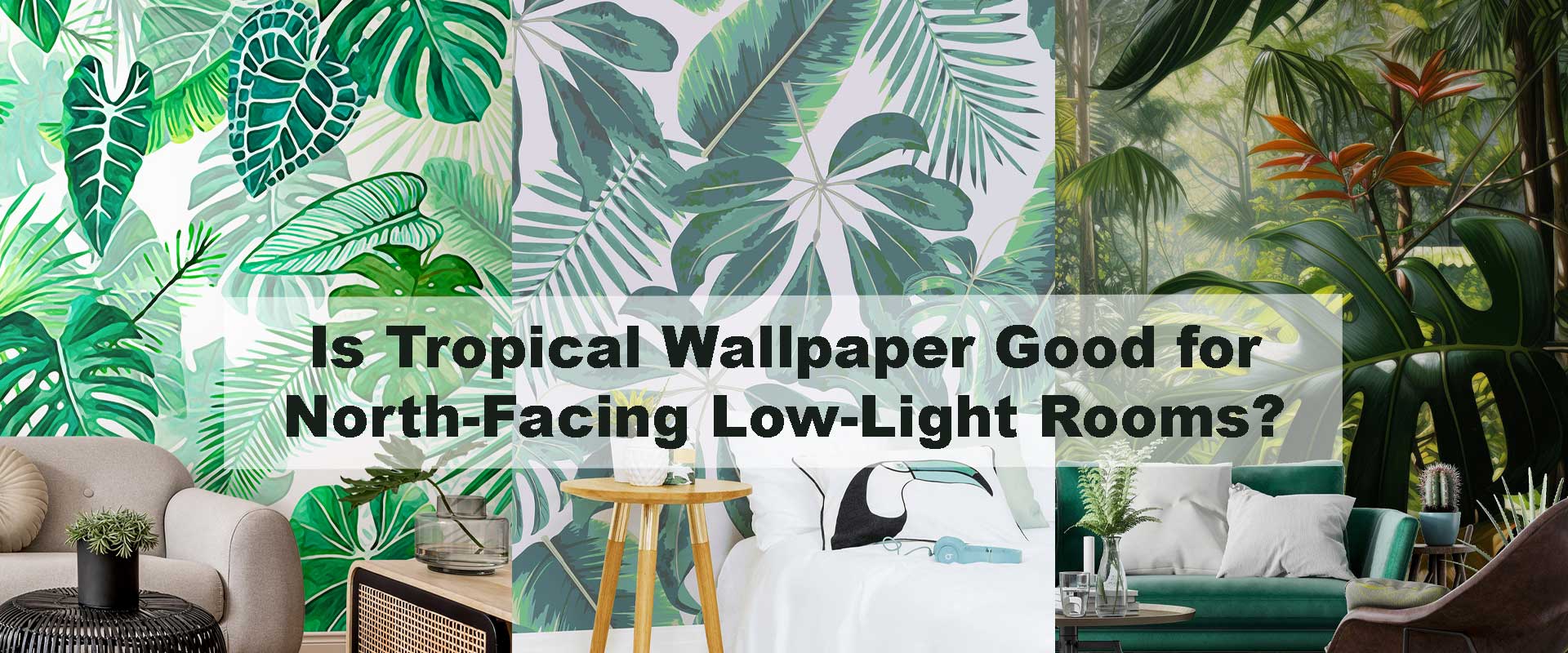
Is Tropical Wallpaper Good for North-Facing Low-Light Rooms?
North-facing rooms often feel dim, cool, or a bit flat, especially during early mornings and winter months. If you want to lift the atmosphere without relying solely on artificial lighting, tropical wallpaper for north-facing rooms becomes an intriguing design tool. The right colors, foliage styles, and tonal variations can brighten the space, add visual warmth, and counteract the subtle coolness these rooms naturally hold. When chosen with care, tropical murals create a space that feels alive, embracing both depth and comfort without overwhelming the soft ambient light.
Many homeowners wonder whether bold tropical themes might appear too heavy for low-light spaces. Interestingly, tropical patterns can do the exact opposite when styled well. Designs featuring fresh botanicals, subtle greens, soft palms, or watercolor transitions introduce movement that awakens the walls. A room with limited sunlight benefits tremendously from these organic cues—especially when you incorporate touches like warm woods or sandy accents. This lively aesthetic also pairs beautifully with calming collections such as forest designs when grounding textures are needed.
Tropical themes work particularly well in interiors requiring more depth to compensate for cooler shadows. Lighter leaf silhouettes, warm gradients, and gentle canopy transitions echo principles mentioned in How Can Tropical Wallpaper Make Small Rooms Feel Larger? —where movement and tonal depth visually expand limited spaces. By selecting warmer foliage tones or golden underlayers, tropical wallpaper can transform a north-facing room into a cozy retreat layered with softness and gentle radiance.
Why Tropical Wallpaper Works Well in Low-Light Interiors
Tropical wallpapers bring natural movement, organic shapes, and color warmth—three traits that greatly benefit dim rooms. North-facing interiors typically run cool because they receive mostly indirect light. That means blues and grays can appear even cooler, while warm tones look softer and more inviting. A carefully chosen tropical palette takes advantage of this shift.
Designs featuring soft sage, light mint, misty palms, or subtle warm greens create a delicate balance that lifts the atmosphere. Tropical wallpapers with watercolor transitions can also prevent shadows from appearing too stark, diffusing the room’s overall tone. Many readers refer back to insights shared in fresh botanical wallpaper themes inspired by tropical leaves—which highlight how shifting leaf layers and airy foliage can introduce soothing tonal variety without feeling dense.
Subtle tropical compositions also help introduce visual movement. Low-light rooms often feel static or slow, especially compared to south-facing spaces with dynamic sunlight. Adding a mural with layered canopy flow or elegant leaves creates an inviting sense of motion. For a gentler aesthetic, interiors often pair subtle palms with botanical themes for a grounded, nature-focused ambiance.
How Color Temperature Impacts Tropical Wallpaper in Low-Light Rooms
Color temperature shapes how tropical wallpaper behaves in a north-facing space, often making certain hues appear muted or cooler than expected. Instead of fighting these shifts, the right palette can transform them into an advantage. When foliage carries warm undertones or softly blended gradients, the cooler daylight becomes a natural diffuser—softening contrasts and helping warm tones glow more gently across the wall. This dynamic makes tropical wallpaper unexpectedly harmonious in dim rooms, especially when the design leans toward warmth and subtle botanical movement.
Warm-Toned Foliage
Warm greens with olive, chartreuse, or mellow sunlit yellow undertones bring gentle vibrancy to rooms that lean naturally cool. Unlike crisp emerald or bluish greens, these warmer shades feel grounded and comforting, counteracting the blue cast of northern light. As the day progresses and the light grows diffuse, these greens continue to glow softly, ensuring your tropical wallpaper maintains depth and warmth even during early evenings or overcast weather. Their luminous quality helps create a consistent sense of uplift that feels both organic and soothing.
Soft Neutrals with Tropical Accents
Soft neutrals—such as sandy fronds, beige branches, taupe palm silhouettes, or stone-washed botanical outlines—offer the perfect balance for homeowners who want a calm tropical mood without overpowering the space. These hues reflect ambient light more easily than saturated greens, preventing the wallpaper from absorbing too much brightness. Their minimalism blends seamlessly with modern interiors, lending an airy structure that pairs beautifully with the natural softness of tropical motifs. Insights from soft tropical wallpaper ideas for relaxing bedroom makeovers reflect how these warmer neutrals introduce serenity while keeping dim rooms feeling open and breathable.
Pastel and Watercolor Styles
Watercolor and pastel-infused tropical murals bring a delicate, painterly atmosphere to low-light rooms. Because their transitions are fluid rather than sharply defined, they interact beautifully with cooler northern light, which highlights their softness rather than washing out their detail. These designs help dissolve harsh edges, making the room feel more relaxed and visually expansive. They are especially appealing in entryways, reading corners, and intimate spaces where softness and tonal blending matter. Pairing these murals with selections from our watercolor murals collection enhances this quiet, artistic charm.
Choosing the Right Pattern Scale for a Dim Room
Pattern scale has a powerful effect on how wallpaper behaves in low-light conditions. Too dense, and the room feels heavy; too sparse, and the walls may seem underwhelming. The key lies in achieving a rhythm that suits the room’s dimensions while embracing the natural diffusion of northern light.
Large, Airy Foliage
Large-scale tropical motifs with generous spacing give the eye room to rest, enabling a calmer flow across the wall. These oversized designs allow the light—however subtle—to highlight leaf contours, delivering depth without overwhelming smaller rooms. This airy approach draws from principles mentioned in why choose jungle wallpaper over traditional patterned prints, where spacious patterning preserves clarity, movement, and visual sophistication.
Medium-Scale Leaves
Medium-scale foliage is ideal for modestly sized spaces where you want richness without density. These patterns create a gentle rhythm on the wall and perform beautifully with both natural and artificial light. When paired with warm pendant lighting or soft sconces, medium-scale designs offer a softly immersive feel, making offices, dining corners, and transitional rooms feel more inviting.
Soft Dense Layers
Dense tropical patterns can still thrive in low-light environments when executed with softness—think misty gradients, blurred leaf transitions, or layered silhouettes that feel atmospheric rather than sharp. This kind of density creates a cocoon-like warmth, offering intimacy without heaviness. When you want subtle drama or deeper contrast, these patterns pair beautifully with mood-rich interiors supported by deep jungle designs.
How Lighting Enhances Tropical Wallpaper in North-Facing Rooms
In a dim room, lighting becomes the silent partner that elevates the wallpaper’s depth and beauty. When thoughtfully layered, artificial lighting transforms tropical motifs into softly glowing artwork, enhancing tonal warmth and highlighting intricate foliage details.
Warm LED Bulbs (2700K–3000K)
Warm LEDs counteract northern light’s cool undertones, enriching the greens, taupes, and golden hints within tropical patterns. They help warmer foliage glow naturally, ensuring your wallpaper remains visually comforting even during darker hours. This warmth makes the room feel cohesive and balanced, allowing the tropical theme to reach its full expressive potential.
Diffuse Lighting
Diffuse lighting—through frosted shades, soft fabric lamps, or hidden LED strips—prevents harsh shadows from forming on the mural. This allows layered leaves and watercolor transitions to maintain their softness. It echoes the mood techniques described in deep jungle wallpaper designs that bring natural calm indoors, where gentle illumination complements the subtle theatricality of foliage layers.
Directional Accents
Directional fixtures like spotlights, picture lights, and wall-mounted LEDs allow you to intentionally highlight particular parts of your tropical mural. This technique works especially well with large leaves, flower clusters, or textured bark-inspired sections. By drawing focus to these natural elements, you add a subtle sense of drama that breaks the monotony of cool, flat lighting typical in north-facing spaces.
Textures and Decor Styles That Pair Well With Tropical Murals
Pairing the right materials with tropical wallpaper is essential for balancing cool undertones in a north-facing room. The right textures add warmth, character, and dimensional depth—bridging the gap between natural foliage motifs and the mood you hope to create.
Warm Woods
Warm-toned woods like oak, teak, acacia, and walnut lend instant warmth to cool interiors. Their natural grain complements tropical foliage, grounding the botanical energy with rich, organic texture. This pairing enhances the mural’s earthy undertones, creating a harmonious, grounded feel.
Soft Textiles
Soft textiles such as boucle throws, linen curtains, cotton cushions, or felted accents help counterbalance the crispness of northern light. Their tactility adds comfort and depth, making the room feel softer and more layered. These textiles also reflect warm light gently, helping the foliage appear more radiant.
Metal Accents
Gold, brass, and warm bronze accents are excellent for reflecting and amplifying light. Whether used through lighting fixtures, picture frames, or decorative objects, these metals add localized glow that enhances the tropical mood. Their warmth interacts beautifully with botanical greens and earthy tones, lifting the room’s atmosphere.
These refined styling principles reflect the approach found in tropical forest walls bringing breezy warmth into coastal spaces, where texture plays a key role in balancing natural and ambient light. To add an extra touch of vibrancy, consider integrating decor that harmonizes with our fresh green designs, which blend warmth and gentle energy effortlessly.
Best Types of Tropical Wallpaper for North-Facing Rooms
Below is a comparison of tropical wallpaper styles ideal for low-light interiors.
Top Tropical Wallpaper Styles for North-Facing Rooms
| Style Type | Why It Works | Best Rooms | Key Mood |
|---|---|---|---|
| Light Botanical Palms | Softens shadows, reflects ambient light | Bedrooms, living rooms | Calm, airy |
| Warm Tropical Leaves | Balances cool daylight, adds liveliness | Dining areas, hallways | Warm, uplifting |
| Watercolor Tropicals | Soft transitions reduce harsh contrast | Small rooms, reading corners | Serene, blended |
| Sunset-Toned Tropics | Injects golden warmth | Study nooks, dens | Glowing, cozy |
| Misty Jungle Layers | Adds depth without heaviness | Offices, compact rooms | Immersive, soothing |
If you’re after deeper richness, consider blending patterns inspired by coastal patterns when you want crisp warmth and breezy tonal movement. Designers also frequently integrate canopy-inspired looks from Jungle Tropical Wallpapers to add natural upward flow.
How to Prevent a North-Facing Room From Feeling Too Cool with Tropical Wallpaper
Even with a warm-toned tropical design, north-facing interiors can still feel slightly cool if the surrounding elements aren’t supporting the palette. Low-light spaces need thoughtfully chosen accents that reinforce warmth, soften shadows, and help the foliage feel inviting. When these styling layers work together, the wallpaper’s tropical depth becomes richer and far more vibrant throughout the day.
1. Choose Warm Accents
Layering warm accent shades—such as sandy taupe, caramel beige, muted terracotta, and soft gold—instantly offsets the coolness of indirect northern light. These tones lift the softer greens within the wallpaper and create visual balance, allowing the tropical foliage to glow more naturally during overcast mornings or late afternoons.
2. Mix Layered Textures
North-facing rooms benefit tremendously from tactile variety. Woven baskets, jute area rugs, linen curtains, boucle cushions, rustic ceramics, and natural wood grains add physical warmth that visually counters cooler light. These textures interact beautifully with tropical motifs, grounding the botanical energy and preventing the design from feeling flat.
3. Avoid Harsh Whites
Crisp white surfaces often amplify the cool undertones of northern light. Choosing cream, bone, warm off-white, or soft ivory keeps the space cozy and ensures that the tonal transitions between wallpaper and paint remain gentle. These hues help tropical leaf patterns appear more cohesive and softly illuminated.
4. Add Warm Indirect Lighting
Layered lighting is essential. Floor lamps with fabric shades, warm LED bulbs, wall sconces, or small table lamps gently diffuse light across the wallpaper. This indirect glow highlights the leaf contours, soft gradients, and tropical warmth without creating harsh hotspots that compete with the design.
These elevated principles reflect the balanced styling seen in which jungle wallpaper suits a minimal modern home, where the right mix of textures and warm accents creates harmony with natural foliage patterns.
Should You Choose Bold or Subtle Tropical Wallpaper for North-Facing Rooms?
Choosing between bold or subtle wallpaper depends on how you want the room to feel—and how much natural light the space receives. North-facing rooms lean toward cooler tones, so the pattern’s personality plays a major role in determining mood, comfort, and visual energy.
Go Bold If…
- You want a dramatic feature wall that anchors the room with visual depth.
- The space is used mostly in the evenings when warm artificial lighting enhances richer tones.
- Your furniture includes warm woods, earthy ceramics, or neutral upholstery that can balance deeper foliage.
Bold tropical wallpapers often include layered leaves, rainforest density, or high-contrast shadows. When paired with warm lighting and textured décor, these designs become richly immersive, creating a cozy and atmospheric retreat.
Choose Subtle If…
- You prefer a calm, open, and naturally bright ambiance that feels effortless.
- The room is small or narrow and benefits from lighter visual movement.
- You rely primarily on natural daylight and want the wallpaper to soften the coolness, not intensify it.
Subtle tropical designs—like watercolor palms, airy botanicals, or softly layered greens—help open up low-light rooms while maintaining a tranquil mood. As highlighted in tropical depth murals that bring natural calm indoors, even denser designs feel soothing when their edges are softened through misty gradients or blurred foliage transitions.
Practical Tips for Installing Tropical Wallpaper in a Low-Light Room
Transforming a dim space into a warm, welcoming interior requires thoughtful preparation. These practical steps help tropical wallpaper perform beautifully in low-light conditions and ensure the final look feels intentional and cohesive.
1. Test Samples in Morning and Evening Light
North-facing rooms shift dramatically throughout the day. Morning shadows may cool down green tones, while evening lighting can warm them up. Testing samples against the wall in both conditions helps you choose a palette that remains inviting at all hours.
2. Warm Your Base Layer
If you’re painting the remaining walls or preparing the room before installation, opt for warm neutrals instead of bright white. Beige, cream, buff, or soft taupe provide a warm foundation that complements tropical greens, prevents stark contrasts, and creates a smooth transition from wallpaper to paint.
3. Consider Lighting Placement Before Installation
Think strategically about where lamps, sconces, or overhead lights will land once the wallpaper is installed. Gentle directional lighting can highlight palms, emphasize leaf silhouettes, and enhance tonal depth, turning natural foliage into a design focal point.
4. Use Complementary Decor
To complete the look, integrate earthy, warm, or textural elements that amplify the wallpaper’s effect. Linen throws, warm metals, woven accessories, ceramics, and soft upholstery enhance visual warmth and help the space feel richer and more layered.
These practical steps align with the environmental considerations found in botanical wallpaper panels adding gentle jungle color movements, where lighting, wall color, and surrounding textures work together to support the mural’s natural flow.
Frequently Asked Questions
1. Will tropical wallpaper make my north-facing room look darker?
Not if you choose warm-toned or airy patterns. Designs with soft greens, golden highlights, or watercolor transitions actually brighten dim rooms.
2. Are bold rainforest designs too heavy for low-light spaces?
Many bold designs work beautifully, especially when layered with warm textiles and lighting. Soft-edged jungle murals are ideal for atmospheric depth.
3. What colors should I avoid in a north-facing room?
Avoid overly cool tones like icy blue or stark gray. Warm neutrals, golden undertones, and olive greens perform far better.
4. Can tropical wallpaper help a small north-facing room feel bigger?
Yes. Airy foliage, vertical flow, and watercolor blending create visual movement that helps open up compact rooms.
5. Which decor styles pair best with tropical wallpaper in low-light rooms?
Warm woods, brass accents, textured textiles, and neutral upholstery complement tropical patterns and add essential warmth.
Conclusion
Tropical wallpaper is an excellent choice for north-facing low-light rooms, offering natural warmth, layered movement, and tonal softness that elevates the interior without overwhelming it. By selecting warm foliage tones, airy botanical styles, or watercolor tropical transitions, you can counteract cool daylight and create a welcoming, vibrant space. Pair these designs with warm woods, soft lighting, and thoughtful textures to achieve a harmonious look that feels both inviting and uplifting. When chosen with care, tropical wallpaper for north-facing rooms transforms dim areas into beautifully illuminated sanctuaries full of comfort and character.