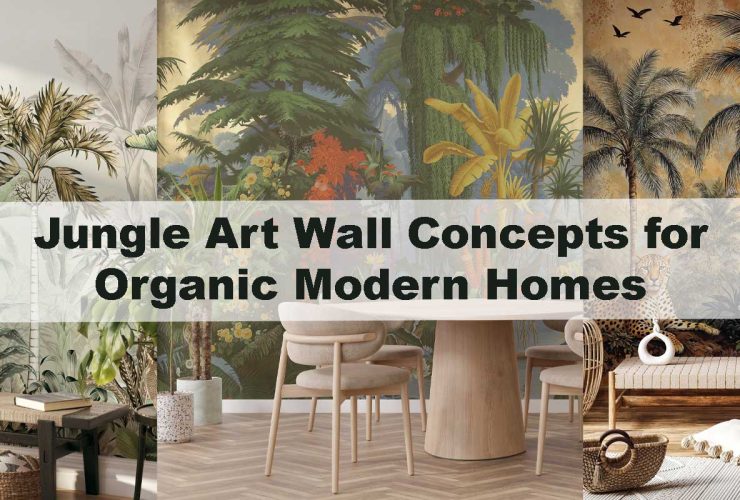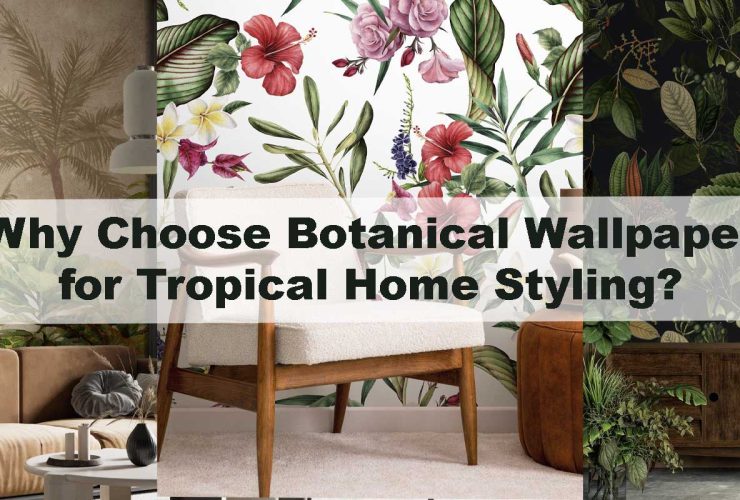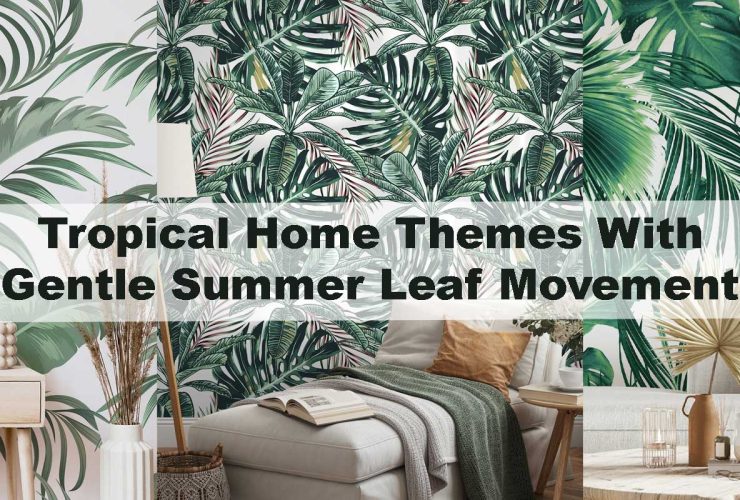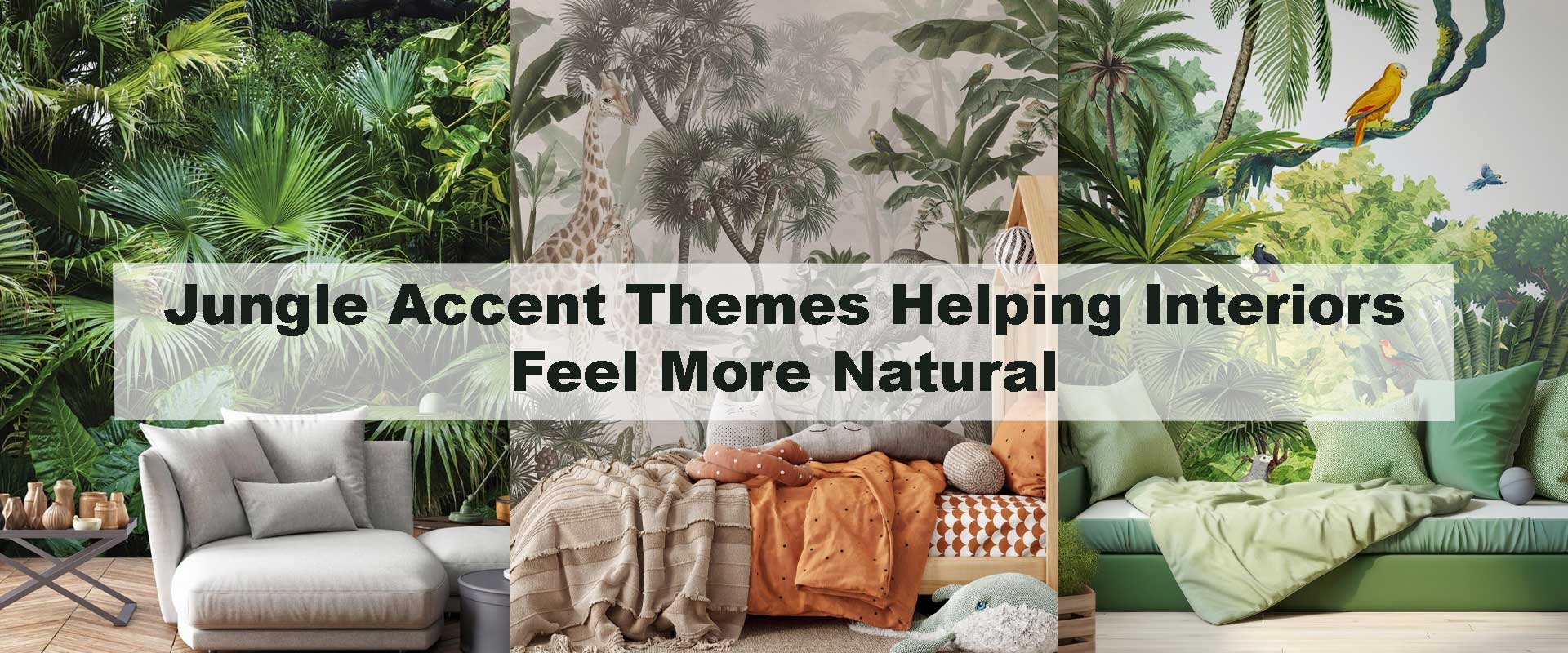
Jungle Accent Themes Helping Interiors Feel More Natural
Jungle accent themes are becoming one of the most trusted ways to help interiors feel more natural, grounded, and emotionally balanced. In a world of screens, sharp edges, and artificial lighting, these nature-led designs reconnect rooms with organic rhythm and visual depth. By layering foliage, soft shadows, and botanical movement, jungle accents transform interiors into spaces that feel alive rather than styled. This shift is not about bold statements alone—it’s about comfort, longevity, and atmosphere. When thoughtfully applied, jungle accent themes soften architecture, reduce visual noise, and create rooms that breathe with quiet confidence, making everyday living feel more intuitive and restorative.
Why Jungle Accent Themes Feel Instantly Natural
Jungle-inspired interiors feel instinctively right because they reflect how the human eye experiences the outdoors. Nature is never flat or repetitive; it unfolds in layers, depth, and subtle variation. Jungle accent themes echo this rhythm through overlapping leaves, gradual tonal shifts, and organic spacing that guides the eye gently across the wall. This balance between detail and openness creates visual harmony that feels relaxed and intuitive rather than designed or staged.
Another reason these accents feel so natural is their remarkable adaptability. Jungle themes don’t compete with interiors—they connect them. Whether a space leans modern, traditional, or pared-back minimal, botanical layers soften transitions between furniture, walls, and architectural lines. Designers often turn to jungle accents when a room needs warmth without visual noise, or character without tipping into excess.
The Psychology Behind Jungle-Inspired Interiors
Natural environments are proven to reduce mental fatigue, and jungle accent themes recreate this calming effect indoors. Layered foliage and softened contrast slow the way the eye moves across a surface, easing visual tension and encouraging a sense of rest. This makes jungle-inspired walls especially effective in shared living areas, where comfort and balance matter more than bold statements.
Color psychology deepens this effect. Greens are associated with renewal, safety, and emotional stability, while deeper shadowed tones provide grounding and reassurance. Together, they create interiors that feel emotionally supportive rather than stimulating, allowing jungle-inspired spaces to feel welcoming, calming, and easy to live with over time.
Choosing the Right Jungle Accent for Your Space
Jungle accents don’t need to overwhelm a room to make an impact. Accent walls, partial murals, or even framed botanical sections allow nature to enter a space in a controlled, thoughtful way. The most successful results come from choosing a scale and composition that responds to the room’s proportions, ceiling height, and available light.
Rooms with limited natural light benefit from airy jungle designs with misty layers and open spacing that maintain brightness and depth. Sun-filled spaces, by contrast, can support richer greens and denser foliage without feeling closed in. This adaptability makes jungle accents a practical and versatile choice across a wide range of interior settings.
How Jungle Accents Soften Modern Interiors
Modern interiors often rely on clean lines, smooth surfaces, and restrained color palettes, which can sometimes feel emotionally cool. Jungle accents introduce softness without disrupting structure. Organic leaf forms gently counterbalance straight edges, while layered visuals add warmth without adding physical clutter or visual chaos.
This approach works particularly well alongside neutral furnishings. When furniture remains calm and understated, the jungle accent wall becomes the emotional anchor of the room, grounding the space visually and atmospherically. Designers frequently apply this principle when selecting from the Jungle Tropical Wallpapers range, especially for contemporary homes that seek warmth, depth, and a stronger connection to nature without sacrificing modern clarity.
Forest-Inspired Jungle Accents for Grounded Spaces
Forest-style jungle accents are defined by vertical rhythm, softened shadows, and layered depth that visually roots a room. Tall trunks, rising branches, and overlapping canopies guide the eye upward while simultaneously anchoring the space, creating a sense of emotional steadiness rather than stimulation. These designs echo the quiet order of woodland environments, making interiors feel secure, balanced, and naturally composed.
Homes that feature forest-inspired accents often feel calmer and more reflective. This approach works especially well in living areas, hallways, and transitional zones where the goal is subtle presence rather than visual excitement. Carefully curated designs from the forest collection strengthen this effect through controlled pacing, tonal softness, and compositions that feel immersive without being overpowering.
Rainforest Layers That Add Visual Movement
Rainforest-inspired jungle accents introduce a different energy—one rooted in motion and vitality. Dense foliage, overlapping leaves, and moisture-like gradients create a flowing visual rhythm that brings walls to life. These layers prevent interiors from feeling rigid or static, making rainforest accents ideal for spaces that feel overly structured or emotionally flat.
Despite their richness, rainforest designs remain highly adaptable. When used on a single wall, they become a natural focal point that adds movement while allowing surrounding surfaces to stay calm and supportive. Designers often reference insights from Deep Jungle Wallpaper Designs That Bring Natural Calm Indoors, where layered compositions are shown to energize interiors while still maintaining visual clarity and emotional ease.
Using Jungle Accents to Create Depth Without Darkness
A common concern is that jungle accents will darken a space, but thoughtfully designed compositions do the opposite. Soft gradients, misty layers, and gently fading backgrounds create depth while allowing light to move freely across the surface. Instead of absorbing brightness, these designs shape it, adding dimension without heaviness.
This approach is especially effective in neutral interiors that lack contrast or visual interest. Jungle accents introduce controlled shadow and tonal variation, preventing walls from feeling flat or lifeless. By choosing designs with generous negative space and balanced layering, rooms remain open, breathable, and naturally illuminated.
Botanical Jungle Accents for Soft Transitions
Botanical jungle accents offer a lighter, more illustrative interpretation of nature. Delicate leaf outlines, airy compositions, and refined spacing create a gentle visual flow that feels calm and approachable. These designs are particularly effective in spaces that shift between functions, such as open-plan living areas, reading nooks, or quiet corners.
Because of their softness, botanical accents pair effortlessly with natural materials like linen, wood, and stone. When layered thoughtfully, they blur transitions between surfaces and furnishings, helping the room feel cohesive rather than segmented. Designers often rely on understated selections from botanical themes to achieve an interior that feels organic, refined, and quietly connected to nature.
Jungle Accent Themes in Compact Interiors
Smaller spaces benefit immensely from jungle accents when scale, spacing, and tone are chosen with intention. Vertical foliage patterns naturally draw the eye upward, visually elongating walls and reducing the boxed-in feeling that compact rooms often suffer from. Lighter backgrounds, misty layers, and open botanical spacing prevent visual compression, allowing the wall to feel expansive rather than dense. Instead of shrinking a room, the right jungle accent introduces depth and softness that makes the space feel breathable.
This spatial effect is frequently noted in How Can Tropical Wallpaper Make Small Rooms Feel Larger?, where layered natural imagery reshapes perception without changing physical dimensions. When applied selectively—such as on a single wall or vertical plane—jungle accents help compact interiors feel calmer, taller, and more relaxed.
Safari and Wilderness Accents for Warm Character
Safari-inspired jungle themes bring warmth through earthy palettes, open horizons, and gently suggested wildlife elements. Rather than feeling literal or decorative, these designs evoke a sense of place and quiet adventure, making interiors feel lived-in and expressive. They are especially effective in rooms that feel too minimal or emotionally flat, adding character without overwhelming simplicity.
Wilderness accents shine in spaces that benefit from narrative depth, such as lounge zones or creative corners. Their balance of openness and texture creates interest while preserving calm, a quality that’s thoughtfully reflected in selections from safari & wilderness, where warmth and restraint coexist naturally.
Creating Mood With Shadowed Jungle Palettes
Moody jungle accents rely on deeper greens, shadowed foliage, and softened highlights to create intimacy and emotional depth. These designs shift focus away from brightness and toward atmosphere, making them ideal for spaces where calm and privacy are essential. Instead of energizing the room, they gently slow it down, encouraging rest and reflection.
When paired with warm ambient lighting and plush textiles, shadowed jungle palettes feel enveloping rather than heavy. Designers often turn to moody palettes to craft interiors that feel cocooning, elegant, and quietly luxurious.
Texture and Foliage for Tactile Warmth
Jungle accents communicate texture even when the surface itself is smooth. Layered leaves, bark-inspired forms, and organic detailing create a visual tactility that makes interiors feel warmer and more welcoming. This suggestion of touch adds comfort, subtly softening rooms that might otherwise feel rigid or overly refined.
Such designs are especially effective in spaces dominated by clean lines or polished finishes. By introducing visual softness through foliage, selections from texture and foliage restore balance without altering the room’s structure, allowing warmth to emerge naturally through design alone.
Comparing Jungle Accent Styles
| Jungle Accent Style | Visual Effect | Emotional Impact | Best Used When |
|---|---|---|---|
| Forest Themes | Vertical depth, calm layers | Grounding, stability | Rooms need balance |
| Rainforest Layers | Dense movement | Energy, vitality | Spaces feel static |
| Botanical Accents | Light, illustrated flow | Softness, ease | Transitional areas |
| Safari & Wilderness | Open landscapes | Warm character | Minimal interiors |
| Moody Jungle Palettes | Shadowed richness | Intimacy, calm | Cozy environments |
Conclusion
Jungle accent themes help interiors feel more natural by reconnecting spaces with organic rhythm, emotional balance, and visual depth. Through layered foliage, gentle color transitions, and adaptable styles, these designs soften architecture while enhancing comfort. Whether you prefer light botanical sketches or moody jungle palettes, the result is an interior that feels calm, grounded, and welcoming. By choosing the right scale and tone, jungle accents become more than decoration—they become a lasting foundation for natural living. If you’re ready to create spaces that feel instinctively comforting, jungle-inspired accents offer a timeless path forward.
Frequently Asked Questions
Do jungle accent themes suit all interior styles?
Yes. Jungle accent themes adapt beautifully to modern, traditional, minimalist, and transitional interiors. The key lies in choosing the right density, color depth, and composition so the botanical elements complement existing furniture and architectural lines rather than overpower them.
Will jungle accent walls make a room feel too busy?
Not when selected thoughtfully. Designs with layered foliage, soft gradients, and balanced negative space actually calm the eye. Using jungle accents on a single feature wall keeps the space visually grounded while maintaining openness and flow.
Are jungle accent themes suitable for small rooms?
Absolutely. Lighter jungle compositions with vertical elements and open spacing can enhance depth and make compact rooms feel more expansive. When scale and color balance are handled well, jungle accents visually extend walls instead of enclosing them.
How do jungle accent themes affect natural light?
Well-designed jungle accents enhance light rather than block it. Misty backgrounds, tonal transitions, and soft highlights help reflect ambient light, preventing interiors from feeling dark while still adding visual richness.
Do jungle-inspired interiors feel trendy or timeless?
Jungle themes are considered timeless because they mirror nature rather than follow rigid design trends. Organic patterns age gracefully, remain visually comfortable over time, and continue to feel relevant as interiors evolve.
Can jungle accent themes feel calming rather than bold?
Yes. While some jungle designs are vibrant, many focus on muted greens, soft shadows, and gentle movement. These calmer interpretations are especially effective in spaces designed for relaxation, balance, and emotional comfort.