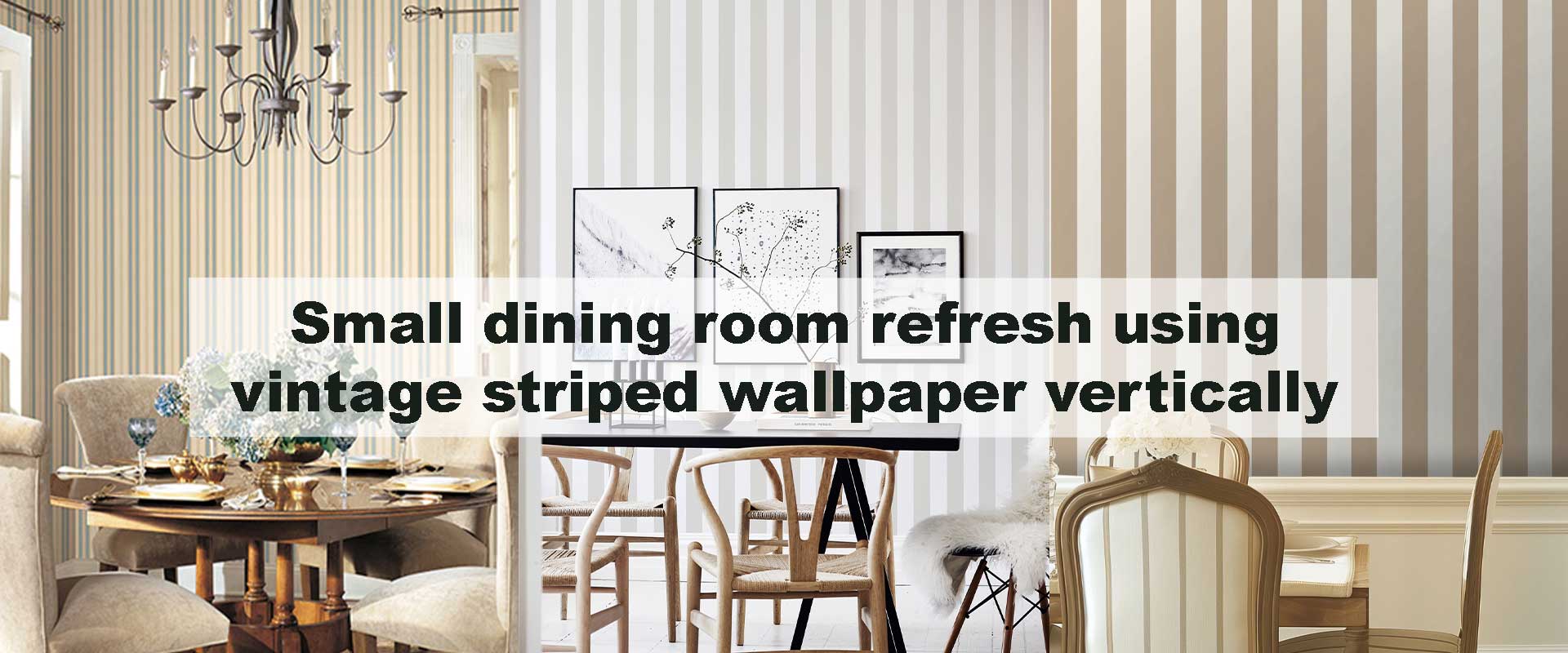
Small dining room refresh using vintage striped wallpaper vertically
A small dining room can feel taller, calmer, and far more refined with one thoughtful design decision. Using vintage striped wallpaper vertically reshapes proportions in a way paint rarely achieves, adding rhythm while visually lifting the ceiling line. This classic approach brings subtle structure to compact dining areas without overwhelming limited square footage.
Vertical stripes drawn from traditional design language introduce balance rather than visual noise. Their refined repetition works beautifully with heritage interiors while still complementing contemporary dining furniture. When chosen with softened tones and classic detailing, this wallpaper style refreshes small dining rooms with lasting elegance.
Why Vertical Vintage Stripes Work So Well in Small Dining Rooms
Vertical stripes instinctively draw the gaze upward, creating a visual lift that benefits dining rooms with limited ceiling height. In smaller spaces, this upward movement reduces the feeling of enclosure, allowing walls to feel taller and more architectural rather than flat or confining. The transformation is subtle but effective, especially in rooms where every visual cue matters.
The effect becomes even more noticeable when seated. Because dining rooms are experienced largely at a lower eye level, vertical stripes extend the perceived height above the table line, helping the room feel balanced rather than compressed. This makes meals feel more relaxed and visually comfortable, even in compact layouts.
Vintage interpretations refine this effect through softened color transitions and gently aged patterning. Instead of sharp contrast, these designs rely on tonal harmony, which keeps stripes elegant and approachable. This is why many homeowners naturally gravitate toward Vintage Wallpaper styles—they offer structure without rigidity and warmth without visual weight.
How Vertical Stripes Reshape Visual Proportions
Dining rooms naturally contain strong horizontal elements, from tabletops to sideboards and chair rails. Vertical stripes counterbalance this by redirecting attention upward, restoring proportional harmony between height and width. As the eye follows the stripe pattern, walls appear taller and more evenly scaled, even when floor space remains unchanged.
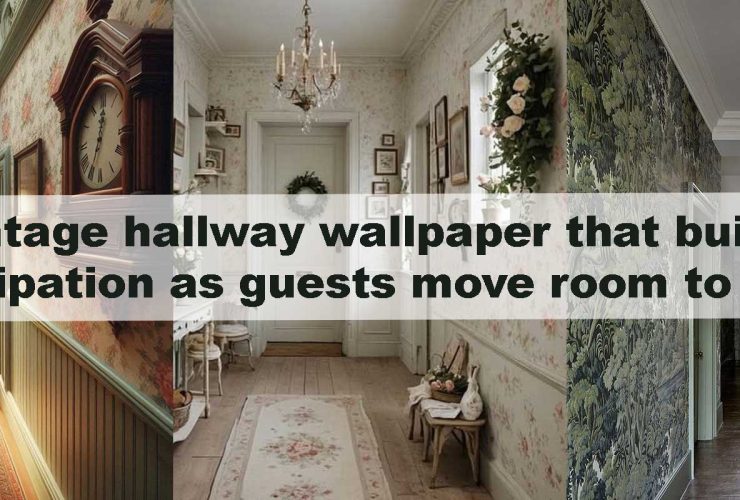
This proportional correction is a well-established interior principle, which is why How traditional striped wallpaper adds refined symmetry to bedroom walls continues to resonate in design-led spaces where balance matters. The same visual logic applies in dining rooms, where stripes quietly organize the room without dominating it.
Traditional stripe designs often include fine detailing, subtle texture, or softened edges. These nuances add depth without heaviness, ensuring the walls feel layered rather than busy. The result is visual interest that supports lingering meals and conversation, maintaining calm while still offering character.
Selecting the Right Stripe Width for Compact Dining Spaces
Stripe width plays a critical role in how successfully the wallpaper performs in small dining rooms. Narrow stripes are especially effective in tight layouts, as their close repetition introduces rhythm without overwhelming the walls. This scale allows furniture, lighting, and table settings to remain visually prominent rather than competing with the pattern.
Narrow stripes are particularly well suited to apartments or dining areas integrated into open-plan living spaces, where restraint helps maintain cohesion. Their refined cadence supports vertical movement while keeping the room feeling light and intentional.
Medium-width stripes introduce slightly more presence while remaining balanced and elegant. When paired with streamlined furniture and uncluttered surfaces, they bring personality without visually shrinking the space. Many designs found within Geometric Vintage Wallpaper collections strike this balance well, offering structured patterning that feels tailored rather than imposing.
Vintage Color Palettes That Enhance Height and Light
Soft neutrals such as warm beige, parchment, and stone allow vertical stripes to stretch walls upward without visual interruption. These hues blur the boundary between stripe and background, creating a gentle continuity that makes ceilings feel higher and walls less defined. Because they reflect natural and artificial light evenly, small dining rooms maintain an open, airy quality from morning through evening.
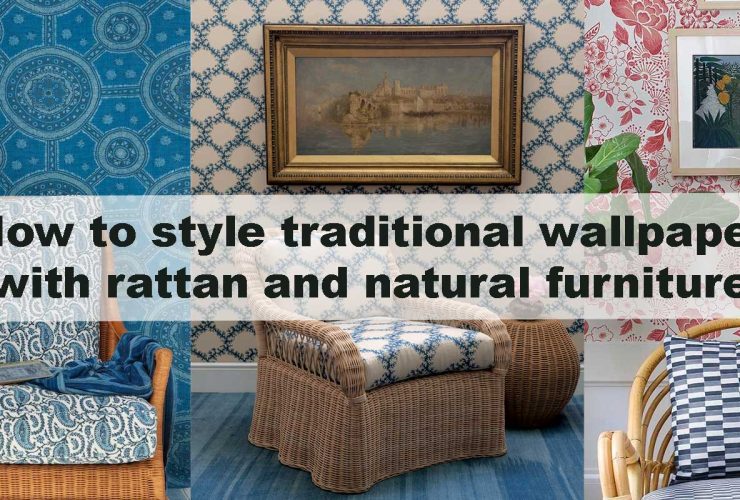
Muted blues, sage greens, and dusty taupes introduce depth while preserving restraint. These tones soften the linear nature of stripes, preventing the pattern from feeling rigid or overly formal. Many traditional stripe designs echo the same nature-inspired undertones found in Botanical Vintage Wallpaper styling, making them especially easy to coordinate with organic textures, wood finishes, and understated decorative accents.
Full Wall Coverage or a Single Vertical Stripe Feature
Covering all walls with vertical striped wallpaper creates a unified, enveloping effect that visually lifts the entire dining room. When the pattern remains subtle and the palette restrained, this approach enhances height consistently without overwhelming the space. It is particularly effective in dining rooms with lower ceilings, where uninterrupted vertical movement makes the room feel architecturally balanced rather than compressed.
A single striped feature wall behind the dining table offers a more restrained alternative while still delivering noticeable impact. When the remaining walls pick up the wallpaper’s lighter tones, the transition feels intentional rather than abrupt. This strategy reflects the same spatial principles used in Classic hallway wallpaper concepts that enhance narrow spaces with depth, where vertical emphasis subtly extends perception without altering the footprint.
Coordinating Furniture with Vertical Stripe Movement
Furniture selection should reinforce, not interrupt, the upward flow established by vertical stripes. Dining chairs with slim silhouettes, open backs, or tapered legs allow the eye to travel freely from floor to ceiling. Tables with refined profiles maintain visual lightness, ensuring the wallpaper remains the primary architectural feature rather than competing for attention.
Natural wood finishes pair effortlessly with vintage striped walls. Oak, walnut, and softly distressed surfaces echo the heritage character of the wallpaper while grounding the vertical movement with warmth. This balance between structure and softness keeps small dining rooms feeling composed, inviting, and comfortably timeless rather than formal or rigid.
Lighting Choices That Reinforce Vertical Emphasis
Lighting becomes most effective when it subtly supports the upward rhythm created by vertical striped wallpaper. Wall-mounted fixtures positioned slightly higher than usual encourage the eye to travel vertically, extending the perceived wall height without drawing overt attention to the source itself. This approach also keeps dining surfaces visually uncluttered, which is especially valuable in compact rooms.
Pendant lighting benefits from a similar sense of proportion. Slender, elongated shades mirror the vertical movement of the stripes, reinforcing architectural lift rather than interrupting it. Warm-toned illumination is particularly flattering here, as it softens vintage patterns, reveals texture gently, and allows the stripes to feel dimensional during evening meals rather than flat or overly graphic.
Ceiling and Trim Treatments That Maintain the Height Illusion
Ceilings play a quiet but decisive role in preserving the illusion of height. Light-reflective finishes in soft white or warm neutral tones allow striped walls to visually rise uninterrupted, preventing the eye from stopping abruptly at the ceiling line. This continuity keeps the dining room feeling open rather than compressed.
Trim should remain understated to avoid breaking the vertical flow. Slim baseboards and restrained molding maintain elegance without competing with the wallpaper pattern. When trim is painted to match the lighter tone within the stripe palette, it visually dissolves into the wall, reinforcing cohesion and allowing height to remain the dominant visual impression.
Decorative Balance and Pattern Control
Accessories should work in harmony with the wallpaper’s vertical movement rather than distract from it. Tall mirrors, narrow-framed artwork, or vertically oriented panels echo stripe direction and subtly amplify height while reflecting light back into the room. These elements add depth without introducing visual noise.
Table styling benefits from restraint. A single sculptural centerpiece or a softly textured runner provides interest without competing for attention. By keeping décor intentional and minimal, the wallpaper remains the defining feature, framing the dining experience with calm structure and timeless character rather than visual excess.
Wall Treatments for Small Dining Rooms
| Wall Treatment | Height Effect | Visual Calm | Suitability |
|---|---|---|---|
| Vertical Vintage Stripes | High | High | Excellent |
| Horizontal Stripes | Low | Medium | Limited |
| Solid Neutral Paint | None | High | Moderate |
| Large Traditional Florals | Low | Low | Challenging |
| Subtle Textured Finishes | Medium | High | Good |
Conclusion
A small dining room refresh using vintage striped wallpaper vertically offers more than surface-level change. By enhancing height, refining proportions, and introducing heritage character, this approach transforms compact spaces into balanced, inviting dining environments. When paired with thoughtful lighting, furniture, and restrained décor, vertical vintage stripes create a dining room that feels taller, calmer, and timelessly elegant.
FAQs
Do vertical stripes really make a dining room feel taller?
Yes. The eye naturally follows vertical lines upward, creating a strong sense of added height.
Can vintage striped wallpaper work with modern dining furniture?
It pairs beautifully, softening contemporary lines and preventing the space from feeling stark.
Is full-wall application better than a feature wall?
Full-wall coverage delivers the strongest height effect, though a feature wall can still work well.
Are vertical stripes suitable for narrow dining rooms?
They are ideal, as they reduce the emphasis on width while enhancing vertical balance.
Do vintage stripes feel too formal for everyday dining?
Not when tones are soft and furnishings remain relaxed—the result feels welcoming rather than rigid.