Wallpaper vs Paint – Which Is Easier to Maintain?
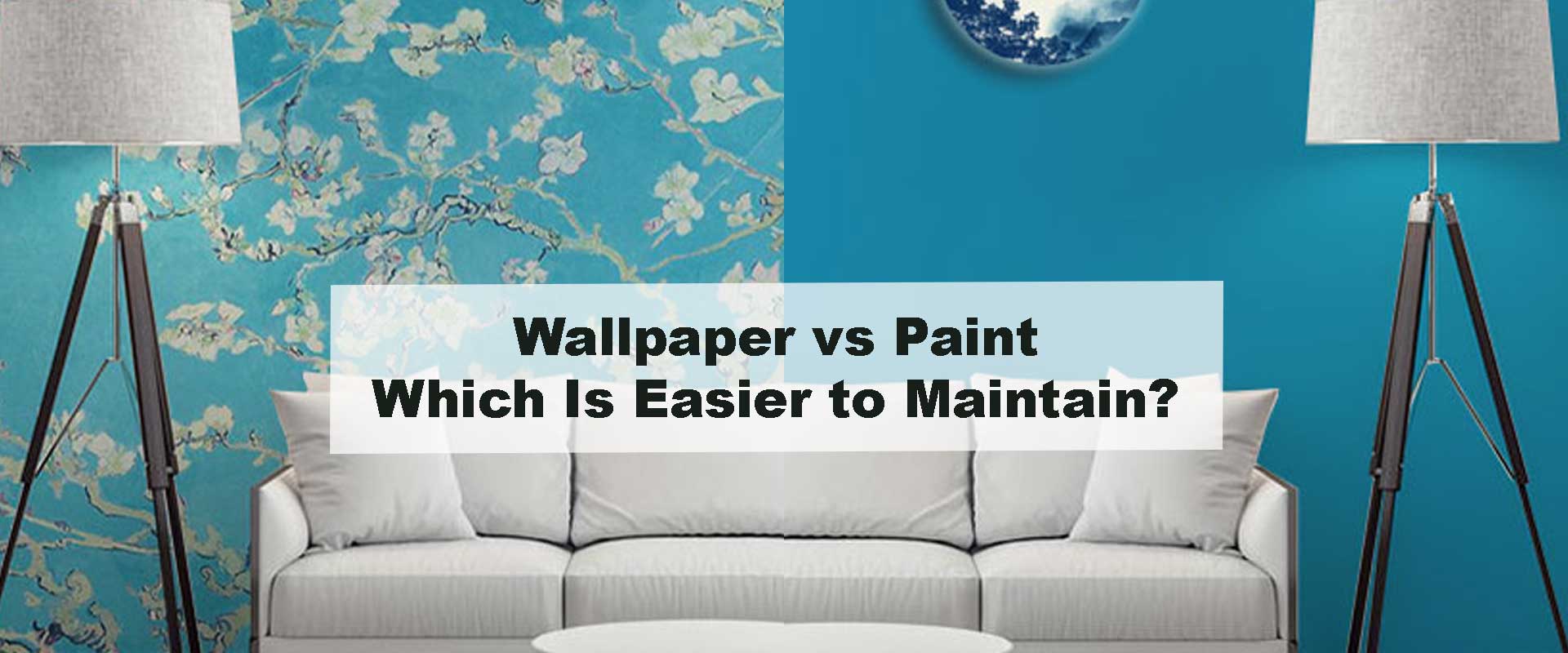
When deciding between wallpaper and paint, homeowners often weigh cost, style, and ease of upkeep. While paint offers flexibility for quick updates, modern wallpapers—especially washable floral designs—are built to last and resist daily wear. The question isn’t only about aesthetics but also about which finish demands less maintenance and performs better over time.
Understanding What “Maintenance” Really Means
Maintenance extends beyond cleaning; it’s about how your walls handle moisture, scuffs, and fading. Painted walls can be easy to refresh, but they often mark and dull quickly. In contrast, quality wallpapers—like the ones from floral wallpaper collections—maintain texture and color even in busy areas. Their surface coatings prevent dirt buildup, making upkeep simple and efficient for households that value longevity.
Durability and Long-Term Performance
Paint typically lasts three to five years before requiring a new coat, while wallpaper endures a decade or more without fading or peeling. Coated or vinyl-based options resist scratches, humidity, and direct sunlight better than most paint finishes. Textured patterns such as dark floral wallpapers hide imperfections easily, whereas smooth painted surfaces show every mark and patch. Over time, wallpaper’s resilience translates into less effort and fewer touch-ups.
Ease of Cleaning and Everyday Upkeep
When it comes to cleaning, wallpaper takes the lead. Vinyl and scrubbable versions can be wiped gently with a damp cloth, keeping walls spotless without discoloration. Matte or chalk-based paints, however, absorb stains that rarely come off completely. In rooms like dining areas or corridors, low-maintenance wall coverings such as modern floral wallpapers combine beauty with practicality, offering long-term protection from smudges and moisture.
Moisture Resistance and Wall Protection
Humidity is a silent enemy for painted surfaces. Steam can cause paint to peel or bubble, especially near windows or corners. Wallpapers with a sealed surface act as a protective barrier, making them suitable for semi-damp areas. Vinyl finishes like bathroom floral wallpapers resist condensation and prevent mold formation beneath the surface—something traditional paint struggles to achieve without special primers.
Repair, Replacement, and Touch-Ups
While repainting requires full sections to be redone for color consistency, wallpaper repairs are often localized. You can easily replace a damaged panel without disrupting the pattern flow. Designs such as vintage floral wallpapers make imperfections nearly invisible, blending new sections with old seamlessly. This flexibility makes wallpaper a practical choice for households with kids or pets.
Maintenance Cost Comparison
Though paint is cheaper initially, frequent repainting increases long-term costs. Wallpaper’s extended lifespan and minimal upkeep deliver better value over the years. Below is a detailed comparison of wallpaper vs paint maintenance factors:
| Aspect | Wallpaper | Paint |
|---|---|---|
| Initial Cost | Moderate to High | Low |
| Average Lifespan | 10–15 years | 3–5 years |
| Maintenance Frequency | Very Low | High |
| Cleaning Method | Wipe with damp cloth | Repaint or spot-clean |
| Humidity Resistance | High (vinyl types) | Low to Medium |
| Repair Ease | Replace small strip | Repaint full area |
| Fading Over Time | Minimal | Noticeable |
| Overall Value | Long-term saving | Higher upkeep cost |
Visual & Aesthetic Maintenance
Over the years, paint can dull, chip, and lose its richness, especially under natural light. Wallpapers, however, preserve texture and color vibrancy, giving your interiors a freshly finished look for much longer. Artistic options like abstract floral wallpapers retain design depth, ensuring your walls remain lively even after years of exposure.
For those inspired by timeless interiors, the charm of patterned wall coverings endures beautifully, as reflected in Cleaning & Maintaining Floral Wallpaper—a guide highlighting how proper care extends wallpaper life without constant repainting.
Health and Environmental Aspects
Eco-conscious homeowners will appreciate that wallpaper needs fewer renewals, reducing chemical emissions from paints. Many modern wallpaper lines use water-based inks and PVC-free substrates, improving indoor air quality. Since repainting involves solvents and multiple coats, choosing wallpaper minimizes environmental impact and keeps your home healthier.
So, Which Is Easier to Maintain?
For quick color changes, paint is convenient. But for those who want lasting beauty with less upkeep, wallpaper clearly wins. It withstands daily wear, retains its finish, and saves time and cost in the long run. Homeowners who have read Fixing Wallpaper Seams and Bubbles know that even small issues are easy to handle compared to repainting.
FAQs About Wallpaper vs Paint
1. Which lasts longer, wallpaper or paint?
Wallpaper can last up to 15 years or more, while paint generally requires refreshing every 3–5 years, depending on wear and exposure to sunlight.
2. Is wallpaper easier to clean than paint?
Yes. Most modern wallpapers are washable or scrubbable, meaning you can simply wipe away dirt, unlike matte paints that stain easily.
3. Can wallpaper handle humidity better than paint?
Vinyl wallpapers resist moisture better than paint, especially in kitchens or bathrooms. Proper sealing prevents peeling or mold formation.
4. Which is more cost-effective in the long term?
Wallpaper costs more upfront but lasts longer with less maintenance, making it more economical than paint over time.
5. Does wallpaper require special care?
No. Occasional wiping and avoiding harsh cleaners are enough. Wallpapers like floral wallpapers maintain their finish without constant upkeep.
Conclusion
In the debate of wallpaper vs paint, wallpaper emerges as the smarter, more sustainable choice for effortless maintenance. Its ability to resist stains, protect walls from moisture, and preserve aesthetic depth gives it a clear edge. For those designing long-lasting interiors, options like floral wallpapers or modern floral wallpapers deliver timeless appeal with minimal effort, keeping your walls stunning for years to come.