Tools You Need for a Perfect Wallpaper Job
Wallpaper adds instant personality to any space — but that flawless, magazine-worthy finish depends heavily on using the right tools. From preparation and measurement to pasting and smoothing, every step demands precision. Whether you’re styling with floral wallpapers or geometric patterns, this guide details the essential tools that make installation effortless and professional.
1. Preparing the Wall: The Foundation of a Flawless Finish
Great wallpaper begins with clean, even walls. Proper preparation not only ensures stronger adhesion but also preserves your wallpaper’s design clarity and color vibrancy.
Start by cleaning the surface with a damp sponge and mild cleaner to remove dust and grease. Smooth imperfections using fine-grit sandpaper, followed by a primer or sealer that evens absorption. Protect skirting and furniture with drop cloths and painter’s tape before the work begins.
Many homeowners find that this step enhances the beauty of patterned surfaces, especially when installing floral wallpapers from Walls Forever’s collection, which showcase fine detailing that looks best on well-prepared walls.
2. Measuring and Cutting: Precision Creates Perfection
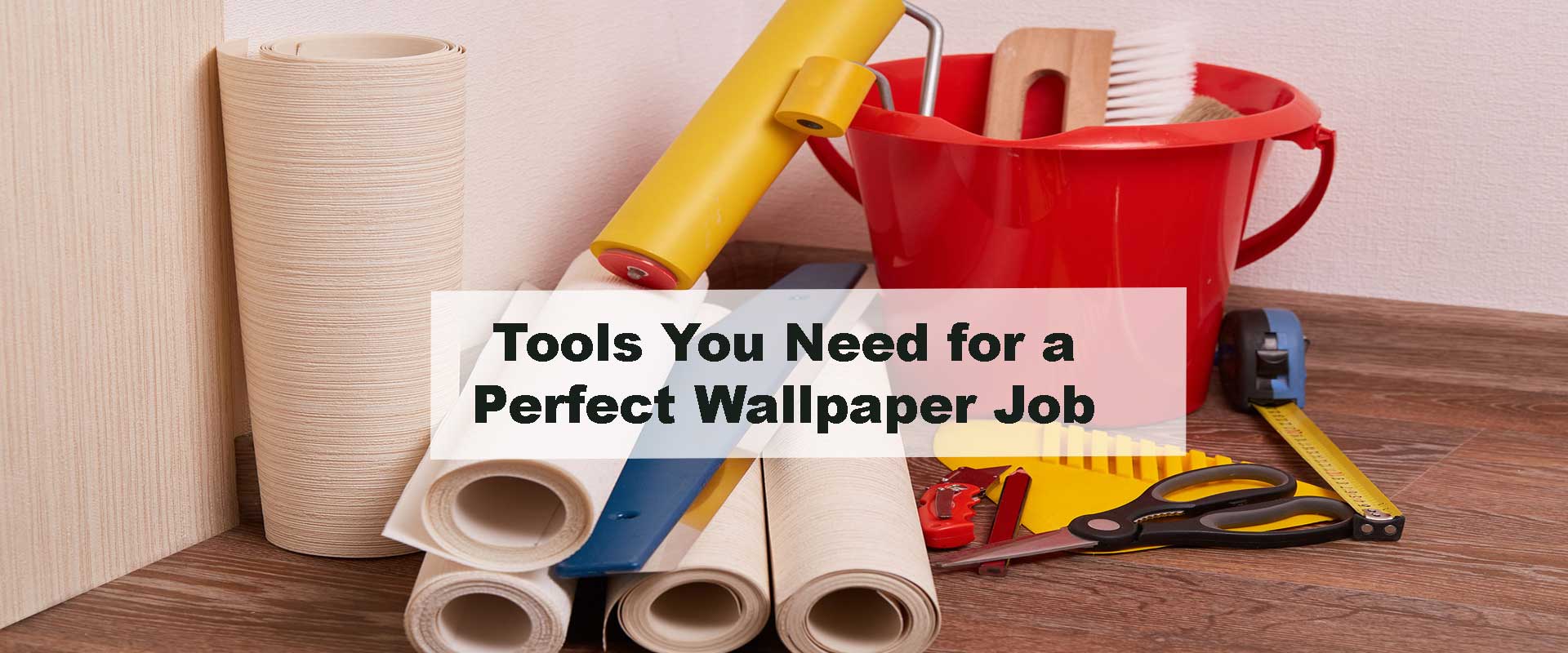
Accurate measurements save both time and material. Begin with a sturdy measuring tape, marking the wall width and height carefully. Use a plumb line or laser level to maintain straight verticals, ensuring your patterns line up seamlessly.
Mark guidelines lightly with a pencil, and trim wallpaper edges using a sharp utility knife or large scissors. When working with delicate patterns like vintage floral wallpapers, precise alignment keeps blooms continuous across panels and eliminates mismatched seams.
A well-cut strip also makes future adjustments smoother, particularly in rooms with angled ceilings or decorative moldings.
3. Applying and Smoothing: Achieving That Seamless Look
Once the wall is ready and measurements are complete, it’s time for the most satisfying step — applying your wallpaper. A pasting table provides a stable surface to apply adhesive evenly with a brush or roller. Smooth out air bubbles using a wallpaper brush or plastic smoother, pressing firmly but gently to prevent stretching the material.
A seam roller is another indispensable tool; it seals the edges, ensuring no gaps appear later. This careful smoothing technique works particularly well with bold designs such as modern floral wallpapers, where symmetry enhances visual impact.
To understand how precise pasting affects longevity, the detailed breakdown in Fixing Wallpaper Seams and Bubbles offers helpful repair strategies if alignment ever shifts over time.
4. Adhesives and Water Tools: Picking the Right Support
Different wallpaper materials require specific adhesives. Traditional paper types may need ready-mixed paste, while vinyl and fabric varieties demand stronger adhesive blends. Pre-pasted wallpapers require only a quick dip in water trays to activate glue.
Keep a clean sponge and cloth nearby to wipe off excess paste — doing so prevents marks on textured or matte surfaces. Adhesive choice becomes especially important for moisture-prone spaces using watercolor floral wallpapers from Walls Forever’s collection, where humidity can challenge adhesion if the wrong paste is used.
For step-by-step insight on adhesive performance, the guide on The Best Wallpaper Adhesives for Floral Prints explains which pastes enhance grip while keeping patterns crisp.
5. Finishing Tools: Perfecting Every Edge
Details define craftsmanship. Once the wallpaper is up, use a seam roller again along each joint to ensure the adhesive holds firmly. Trim excess material near skirting and ceiling edges with a precision knife.
A soft brush or microfiber cloth removes stray paste while preventing damage to the wallpaper surface. These final touches make all the difference — especially when completing an elegant backdrop using aesthetic floral wallpapers that rely on uninterrupted flow for visual harmony.
6. Cleaning and Maintenance Tools: Preserving the Work
After installation, proper cleaning protects your investment. Rinse tools with mild detergent, use a sponge to remove glue residue, and store everything neatly in labeled bags for future use.
Maintaining clean tools also helps when updating spaces with fresh patterns, such as green floral wallpapers, ensuring smoother future applications and consistent results.
To keep wallpaper pristine, a soft sponge and gentle circular motion prevent surface wear — a technique that aligns well with insights from Cleaning & Maintaining Floral Wallpaper, where detailed aftercare keeps textures and prints looking new.
7. Peel & Stick Essentials: For Quick and Mess-Free Makeovers
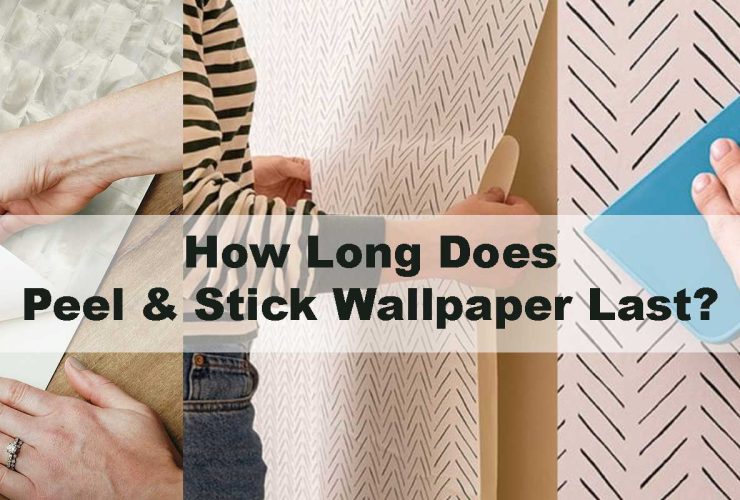
Peel-and-stick wallpaper is ideal for temporary or rental-friendly decor. The process is simpler but still benefits from a few smart tools: a plastic squeegee to remove bubbles, a utility knife for trimming, and a microfiber cloth for surface prep.
This minimalist approach pairs beautifully with pink floral wallpapers from Walls Forever’s pastel collection, offering flexible elegance without adhesive mess.
For tips on repositioning or reusing removable designs, the post on Reusing Peel & Stick Wallpaper – Is It Possible? explores safe techniques that maintain adhesive quality even after multiple applications.
Comparison Table: Must-Have Tools at a Glance
| Category | Tool Name | Purpose |
|---|---|---|
| Preparation | Sponge, Sandpaper, Primer | Smooth and clean the wall surface |
| Measuring | Tape, Plumb Line, Level | Accurate panel placement |
| Application | Brush, Roller, Table | Apply adhesive and smooth strips |
| Finishing | Seam Roller, Knife | Perfect edges and corners |
| Cleanup | Sponge, Bucket, Bags | Maintain and reuse tools easily |
FAQs About Wallpaper Tools
1. Can I install wallpaper without professional tools?
Yes, but professional-grade tools ensure precision, smoother seams, and long-lasting adhesion — worth the modest investment.
2. What’s the most important tool for beginners?
A laser level or plumb line, as straight alignment determines the overall finish and visual flow of patterns.
3. Are peel-and-stick wallpapers easier to use?
They simplify installation but still require smoothing and trimming tools to achieve a bubble-free finish.
4. Do textured walls need special prep?
Yes. Applying primer and filler first levels the surface and enhances adhesive strength for better results.
5. Can I reuse wallpaper tools for future projects?
Absolutely. Clean them after each use and store them properly to keep them ready for your next creative upgrade.
Conclusion
Equipping yourself with the right wallpaper tools transforms a basic DIY project into a polished, lasting display of craftsmanship. From plumb lines to seam rollers, each piece contributes to professional-level precision. With the proper preparation, adhesive, and finishing care, even intricate designs like modern florals or watercolor botanicals stay vibrant for years.
For fresh inspiration and coordination ideas, Walls Forever’s floral wallpaper collection offers countless styles perfect for living rooms and refined office interiors using living-room floral wallpapers or office designs that pair craftsmanship with creativity.