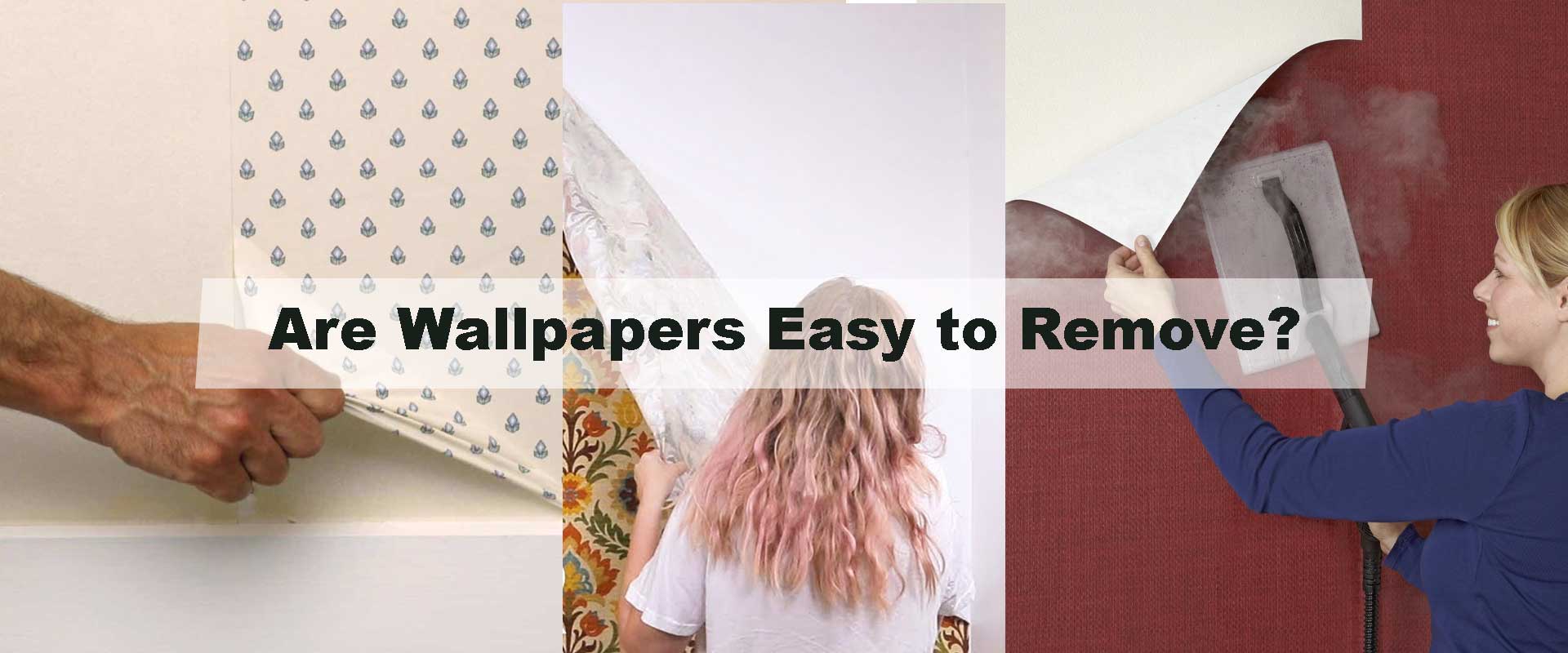
Are Wallpapers Easy to Remove?
Modern wallpapers are far easier to remove than most people imagine. With improved adhesives and smoother backing materials, even large wall coverings come off cleanly and quickly. Whether you’re preparing for a fresh interior look from the floral wallpapers collection or simply changing color schemes, understanding removal techniques ensures your next project begins with confidence.
Understanding Wallpaper Types and Their Ease of Removal
Ease of removal depends primarily on the wallpaper type and the wall surface beneath it. Peel & stick wallpapers are engineered for convenience—just pull gently from one corner, and they release without residue. Traditional paste wallpapers, though slightly more labor-intensive, respond well to moisture and patience. Vinyl or fabric-backed designs peel away in large sections, making renovation far simpler than repainting.
Homeowners updating walls with textured designs, such as modern floral wallpapers, often find these improvements especially beneficial since surfaces remain smooth for reapplication.
How to Remove Peel & Stick Wallpaper Effortlessly
Peel & stick wallpapers make transformation effortless. Start from a lifted edge and pull steadily at a 45-degree angle. If a spot resists, a warm hair dryer softens the adhesive instantly. No chemicals, no damage—just a smooth, paint-ready surface.
This flexibility allows frequent design updates, whether transitioning from moody dark floral wallpaper to crisp white floral wallpaper or rotating patterns seasonally, as described in Refresh Your Home with Seasonal Wallpaper Swaps on Walls Forever.
Removing Traditional and Vinyl Wallpapers
Traditional wallpapers might appear intimidating, but the process is surprisingly manageable. Lightly score the surface with a wallpaper scorer to help water penetrate the adhesive. Mix warm water with a mild detergent and apply generously. After a few minutes, loosen the paper with a scraper, working slowly to avoid scratches.
Vinyl wallpaper peels in layers—the top film lifts first, revealing a paper base that easily soaks away. Once dry, the wall is ready for a refined touch such as a vintage floral wallpaper or softly toned watercolor floral wallpaper, both perfect for calm, timeless spaces.
Common Mistakes to Avoid While Removing Wallpaper
The most common errors stem from rushing. Pulling wallpaper dry from unprimed walls often leads to small tears or plaster damage. Always moisten adhesive thoroughly before peeling. Conversely, too much water can harm drywall—find balance through short, repeated sprays.
Use gentle, consistent scraping motions and avoid metal blades that may gouge surfaces. Many homeowners first learn this technique while redecorating with floral wallpapers for living rooms, where careful preparation preserves both the wall and the new design.
Preparing Walls After Wallpaper Removal
Once wallpaper is removed, wipe remaining paste with a damp sponge and mild soap. Let walls dry completely, then sand lightly for an even surface. Proper priming is essential before applying new designs, ensuring flawless adhesion.
This foundation is especially important for intricate prints like abstract floral wallpapers that highlight texture and light. A clean surface helps patterns appear sharper and colors more consistent—crucial for detailed botanical or geometric motifs discussed in Wallpaper vs Wall Mural – What’s Best for You? on Walls Forever.
When to Call Professionals
While most wallpaper removal can be handled independently, multilayered installations or older, unprimed walls may warrant professional help. Specialists use steamers and safe stripping agents to restore walls smoothly without harm.
Still, newer wallpapers are designed for easy removal, especially peel & stick and high-quality vinyl versions. Whether refreshing a rental or renovating a long-loved space, homeowners can remove, replace, and reapply designs effortlessly using modern materials.
FAQs About Removing Wallpaper
1. Is peel & stick wallpaper easy to remove?
Yes. Gently lift from one corner and peel; the adhesive releases cleanly without residue.
2. Does wallpaper damage walls when removed?
Not if walls were primed properly before installation. Moisture loosens glue safely.
3. Can I paint directly after removing wallpaper?
Yes—clean off adhesive first and apply a primer coat for best coverage.
4. How long does wallpaper removal take?
Small rooms may take two to three hours, while large or multilayered spaces need more time.
5. What tools work best?
A scraper, scorer, spray bottle, sponge, and mild detergent usually suffice.
Conclusion
So, are wallpapers easy to remove? Yes—especially modern varieties that prioritize convenience without compromising quality. With the right tools, a bit of patience, and care for your walls, transformation becomes a quick, satisfying experience. Once your walls are bare, they’re ready to welcome a new story—perhaps a soft pastel or dramatic floral design from the floral wallpapers collection that perfectly suits your refreshed vision.