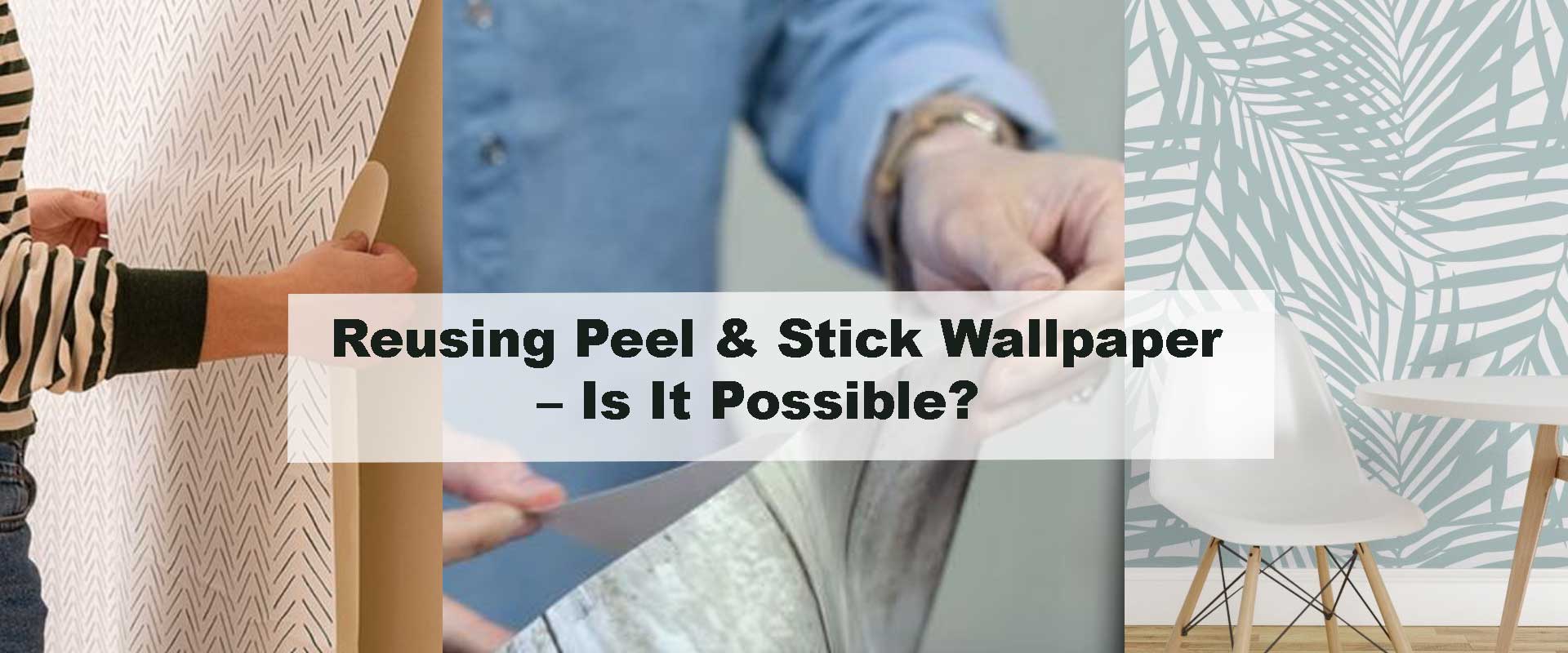
Reusing Peel & Stick Wallpaper – Is It Possible?
Peel and stick wallpaper has redefined interior decorating with its convenience and flexibility. Yet homeowners often wonder if reusing peel and stick wallpaper is practical once removed. The answer lies in proper handling, storage, and surface care. With attention to detail, even designs from our floral wallpaper collection can find new life across different rooms, giving your walls a stylish refresh without extra cost.
How Peel & Stick Wallpaper Works
This wallpaper type features a self-adhesive backing activated by gentle pressure. No messy paste or water—just peel, align, and smooth. Premium options, such as those in modern floral wallpapers, are made for effortless installation and repositioning.
The adhesive bond weakens if dust collects or vinyl stretches, but with gentle handling, it can maintain enough tack for reapplication. A similar balance of care also ensures clean finishes when fixing seams and air pockets, as discussed in Fixing Wallpaper Seams and Bubbles.
What Affects Reusability
Several elements decide how well your wallpaper can be reused.
| Factor | Effect on Reusability | Improvement Tip |
|---|---|---|
| Surface Type | Smooth walls ensure proper adhesion | Apply on primed, satin surfaces |
| Removal Technique | Forceful peeling damages glue | Warm with hairdryer before removing |
| Cleanliness | Dust limits stickiness | Wipe gently before storing |
| Storage | Tight rolls create creases | Store flat between wax papers |
| Wallpaper Quality | Premium vinyl lasts longer | Opt for durable, repositionable options |
Designs in the vintage floral wallpaper range often retain better integrity during reuse, thanks to thicker materials and gentle adhesives.
When Reuse Works Well
Peel and stick wallpapers can be reused if applied on smooth, clean walls and removed within a year. The adhesive should still feel slightly tacky, not dry or stiff. Smaller cuttings often work beautifully on furniture, panels, or shelves—especially those with patterns similar to pink floral wallpapers.
Using leftover pieces in creative ways can also prevent waste and complement design projects like How to Wallpaper Corners & Windows, which highlights alignment and precision.
When to Avoid Reuse
If the backing has gathered lint or the vinyl stretched during removal, reuse isn’t ideal. Humid conditions or textured surfaces further reduce adhesion. In such cases, it’s best to choose fresh rolls that deliver clean finishes and rich detail—such as those from the blue floral wallpaper collection.
Decorators aiming for perfect pattern continuity, especially with bold florals, may find that reusing worn panels leads to uneven seams and peeling edges.
How to Remove Wallpaper for Reuse
To preserve adhesive strength during removal:
- Start peeling gently from a top corner.
- Apply warm air using a hairdryer to loosen glue.
- Keep panels flat as you remove—avoid stretching.
- Stick each sheet onto wax paper immediately.
- Store flat in a cool, dry area.
This careful approach mirrors techniques mentioned in Removing Old Wallpaper Before Installing Florals, where surface prep directly affects the final outcome.
Creative Ways to Reuse Wallpaper
Even if full-wall reuse isn’t practical, panels can bring style in smaller ways:
- Add pattern inside drawers, wardrobes, or cabinets.
- Frame sections as artwork or accent backdrops.
- Refresh shelves or stair risers for contrast.
- Create subtle wall bands or decorative panels.
A leftover section from the office floral wallpaper range can instantly revive a work corner or add depth behind open shelving.
Storage Methods That Extend Life
For best results, keep wallpaper flat between wax papers to prevent curling. Avoid heat, sunlight, and humidity. Label stored pieces by size or pattern for easier matching in future projects. Coordinating reused panels with green floral wallpaper designs can create layered, nature-inspired spaces without requiring a full redesign.
Reusing in Different Rooms
If adhesive remains functional, peel and stick wallpaper can transition beautifully between spaces. A floral print that once framed a bedroom wall might highlight a powder room or hallway accent. Combining reused pieces with deeper tones like those in dark floral wallpapers adds visual rhythm and cohesion across adjoining areas.
Eco-Friendly Benefits of Reusing Wallpaper
Reusing peel and stick wallpaper helps reduce waste while keeping decor fresh. Extending its life supports a sustainable design approach—each reused sheet means fewer materials heading to landfills. This idea aligns with other creative reuse strategies featured in Can You Paint Over Floral Wallpaper?, showing how design adaptability can reduce environmental impact without losing aesthetic appeal.
Common Mistakes to Avoid
- Rushing the removal process.
- Applying reused wallpaper on uneven surfaces.
- Using detergents that weaken adhesive.
- Exposing rolls to high heat or sunlight.
Patience and preparation ensure each reused panel maintains clean lines and strong adhesion.
FAQs About Reusing Peel & Stick Wallpaper
1. Can I reuse peel and stick wallpaper multiple times?
Yes, but each reuse slightly weakens the adhesive. Always test before reapplying.
2. How can I restore lost stickiness?
Try gentle adhesive sprays or wall-safe double-sided tape for minor sections.
3. Can reused wallpaper be cleaned?
Avoid moisture—just use a soft, dry cloth.
4. Will reused wallpaper damage new surfaces?
Not if both wall and wallpaper are clean, dry, and smooth.
5. Can I apply reused wallpaper to furniture?
Yes, it adheres well to sealed wood or laminate surfaces.
Conclusion
So, is it really possible to reuse peel and stick wallpaper? Absolutely—if you remove it carefully, store it correctly, and reapply it on clean, smooth walls. Reuse adds personality, reduces waste, and keeps creativity flowing. Whether reviving your favorite design from the floral wallpaper collection or pairing reused patterns with textured options like abstract floral wallpapers, thoughtful reapplication helps you design sustainably while keeping every space stylish and fresh.